
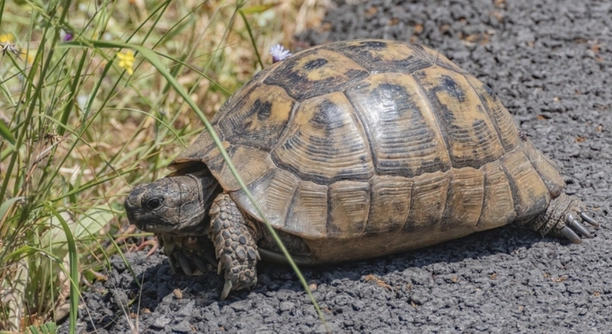
Greek tortoises are fascinating pets, but their behavior can sometimes leave owners puzzled. If you’ve noticed your tortoise snapping at you, it’s important to understand why this happens to ensure a healthy relationship with your pet.
The snapping behavior of Greek tortoises can be caused by various factors such as fear, territorial instincts, or stress. They may also snap if they feel threatened or are not accustomed to human interaction. Understanding these triggers can help address the behavior.
Understanding these factors will help you create a more comfortable environment for your tortoise, promoting better behavior and stronger bonds. Keep reading to discover what might be behind their snapping and how to handle it.
Why Do Greek Tortoises Snap at Me?
Greek tortoises may snap at you for a variety of reasons, and understanding these can help you manage the behavior. One of the most common reasons is fear. When they feel threatened, even by something as harmless as your hand, they may respond with a quick snap. This is their instinctive way of protecting themselves. Stress from environmental changes can also cause this reaction. If their habitat isn’t set up correctly or they feel unsafe, they might snap out of discomfort. Additionally, if your tortoise isn’t used to being handled, it could react by snapping in defense.
It’s crucial to give them time to adjust to your presence. Slowly building trust is key to reducing their stress. Avoid sudden movements or loud noises around your tortoise to minimize any fear response.
Stress can stem from a range of issues. A sudden change in their environment, like new surroundings or unfamiliar objects, can make them feel unsafe. Tortoises are creatures of habit, so a disruption can cause anxiety. If your tortoise is housed in an enclosure that’s too small or doesn’t have enough hiding spots, it may feel vulnerable and snap more often. A proper environment, with access to hiding spots, water, and a warm basking area, can reduce stress. Slowly acclimating your tortoise to human interaction will help avoid snapping as well.
Handling Your Tortoise the Right Way
The way you handle your tortoise is another major factor. If your tortoise isn’t used to being touched or held, it may snap when you try to interact with it. Proper handling is essential to building a bond with your pet. Be patient and gentle when touching or picking it up. Always approach slowly and avoid grabbing it from above, as this can make it feel threatened. Gradually spending more time near your tortoise will help it get used to your presence. Over time, this will reduce snapping behavior.
Consistent positive interaction can make your tortoise feel safer and more comfortable. Start with letting it explore your hand without picking it up. When it’s more relaxed, try gentle handling. Keep sessions short initially and build from there.
Territorial Behavior
Greek tortoises are naturally territorial creatures. They may snap if they feel their space is being invaded. In the wild, they establish territories to protect resources like food and shelter. If you have more than one tortoise, the snapping could be a sign of territorial disputes. Even with a single tortoise, it might view your presence as an intrusion, especially if it hasn’t grown accustomed to being around people.
Make sure their enclosure is spacious enough to give them room to move around freely. If multiple tortoises are housed together, ensure they have enough hiding spots to reduce territorial conflicts. Providing a secure environment where they feel in control can help reduce snapping.
Sometimes, territorial behavior may also manifest when they’re not getting enough food or attention. A tortoise might snap if it feels threatened by the presence of other animals or even by a change in its environment. In these cases, addressing its needs will help restore peace.
Health Concerns
A snapping tortoise could also be a sign of health issues. If your tortoise is in pain or discomfort, it may snap as a reaction. Health problems such as respiratory infections, shell injuries, or digestive issues can cause irritability. When a tortoise is unwell, it can become more defensive, which may lead to snapping.
If you suspect your tortoise may be unwell, observe its behavior closely. Check for any signs of injury, such as cracks in the shell or difficulty moving. Also, keep an eye on its eating habits. If it’s eating less or showing signs of lethargy, it could indicate a health problem that needs attention. A visit to a vet specializing in reptiles can help diagnose and treat any issues.
Mating Behavior
During mating season, Greek tortoises can become more aggressive. Male tortoises, in particular, may snap at their mate or any perceived rival. This behavior is often seen as a way to establish dominance or compete for a mate’s attention. It’s natural and part of their breeding rituals.
If you’re observing this behavior, it’s important to give them space. Male tortoises might become more persistent or territorial, leading to more snapping. Allowing them some time to engage with each other, without interference, can help reduce stress and unnecessary aggression.
Lack of Socialization
If your tortoise hasn’t been socialized from a young age, it may struggle with handling or close interaction. A lack of positive exposure to humans can cause it to snap out of fear or confusion. Tortoises that have not been properly socialized often see people as threats.
To improve the situation, start socializing your tortoise gradually. Begin by spending time close to it, speaking softly to reassure it, and allowing it to approach you on its own terms. Over time, your tortoise will begin to associate you with safety, reducing its tendency to snap.
Temperature and Environment
Greek tortoises are sensitive to changes in temperature. If their habitat is too hot or cold, they may become stressed, leading to snapping behavior. It’s essential to maintain the right temperature range in their enclosure to keep them comfortable. A warm basking spot is crucial for their well-being.
Ensuring that the enclosure has a heat source, along with a cooler area for them to retreat to, will help regulate their temperature. If your tortoise feels too warm or too cold, it will likely become agitated and may snap. Keep a thermometer in the enclosure to monitor conditions effectively.
FAQ
Why does my Greek tortoise snap when I try to feed it?
Tortoises may snap while being fed if they feel stressed or threatened. It can also be a sign that they are eager for food and impatient. In the wild, they would often compete for food, so a snapping response might be instinctive. If this behavior is frequent, try feeding your tortoise in a quieter area where it feels safe and undisturbed.
Is snapping always a sign of aggression in Greek tortoises?
Not always. While snapping can indicate aggression, it is often a defense mechanism. A tortoise may snap when it feels frightened, cornered, or threatened. It can also be a response to discomfort or a sudden movement that startles them. Understanding the situation can help determine if the snapping is aggressive or a reaction to stress.
Can I stop my Greek tortoise from snapping?
Yes, you can help reduce snapping by creating a calm environment for your tortoise. Give it space and time to adjust to your presence. Gradually introduce gentle handling sessions, ensuring that you approach slowly and avoid any sudden movements. Over time, your tortoise may become more comfortable, reducing the snapping behavior.
What should I do if my tortoise snaps at me?
If your tortoise snaps at you, it’s best to back off and give it space. Allow it to calm down before attempting to interact again. Avoid punishing or scolding the tortoise, as this can increase stress and make the behavior worse. Instead, focus on creating a positive and stress-free environment.
How can I tell if my tortoise is snapping because of pain?
If your tortoise is snapping due to pain, it may also show other signs of discomfort, such as lethargy, loss of appetite, or difficulty moving. Pay attention to its overall behavior and look for any visible signs of injury, like cracks or swelling on the shell. If you suspect pain, a visit to the vet is essential.
Why is my Greek tortoise snapping at its reflection?
Tortoises can become confused by their reflection, especially if they feel threatened by the image. They may think the reflection is another tortoise invading their space, causing them to snap in defense. If this is happening, remove any mirrors or reflective surfaces from their environment to reduce this confusion and stress.
Does my tortoise snap when it’s hungry?
Yes, hunger can sometimes cause snapping behavior. If your tortoise feels hungry, it may snap at anything nearby in an attempt to get food. Ensure that you’re feeding your tortoise the proper amount of food and that it has access to fresh water. Providing meals at regular intervals can help reduce this behavior.
Can I handle my Greek tortoise after it snaps?
It’s best to wait before handling your tortoise after it has snapped. Allow it time to calm down, especially if it’s stressed or fearful. Gradually increase your interactions over time, making sure they’re gentle and non-threatening. Handling it too soon after snapping might cause more stress, making the behavior worse.
What are the signs that my tortoise is stressed?
Stress in tortoises can be caused by a variety of factors, including environmental changes, lack of proper food, or handling. Signs of stress include erratic movement, hiding more than usual, refusal to eat, and snapping. Ensuring the habitat is suitable with proper temperature, lighting, and space can help reduce stress.
Is it normal for a Greek tortoise to snap at other tortoises?
Yes, it is normal for tortoises to display territorial behavior, especially if there are multiple tortoises in one enclosure. They may snap to assert dominance or defend their space. Providing enough room and hiding spots for each tortoise can help reduce these territorial disputes.
How often should I handle my Greek tortoise to prevent snapping?
Handling should be done in moderation, especially with a tortoise that tends to snap. Start with short, gentle sessions, and gradually increase the time as your tortoise becomes more comfortable. Don’t force interactions. Let your tortoise come to you at its own pace to reduce stress and prevent snapping.
Final Thoughts
Understanding why your Greek tortoise snaps at you is crucial for ensuring both its well-being and your safety. There are many possible reasons for this behavior, including stress, fear, hunger, or even mating instincts. It’s important to observe the environment and the tortoise’s overall health to identify what might be causing the snapping. Each tortoise is unique, so understanding its individual needs and behavior patterns is key to addressing the issue effectively. With proper care and attention, you can reduce snapping and improve your relationship with your tortoise.
One of the most important aspects of managing snapping behavior is creating a calm and secure environment for your tortoise. A proper habitat with the right temperature, humidity, and space is essential for its comfort. If your tortoise feels safe in its enclosure, it is less likely to react aggressively. Additionally, gradual socialization and positive handling experiences can help the tortoise become more comfortable around you. Taking things slowly and respecting your tortoise’s boundaries can reduce the likelihood of snapping in the future.
In conclusion, snapping is often a sign of stress or discomfort in Greek tortoises. It’s not necessarily a sign of aggression, but more of a defensive reaction. By paying attention to your tortoise’s behavior, health, and environment, you can take steps to reduce this behavior. A calm and patient approach will allow you to form a positive bond with your tortoise over time. Remember, the key to success is consistency and understanding your tortoise’s unique needs.

Hello,
If you enjoy the content that we create, please consider saying a "Thank You!" by leaving a tip.
Every little bit helps us continue crafting quality advice that supports the health, happiness, and well-being of pets around the world, for pets of all shapes, sizes, and species.
We really appreciate the kindness and support that you show us!