
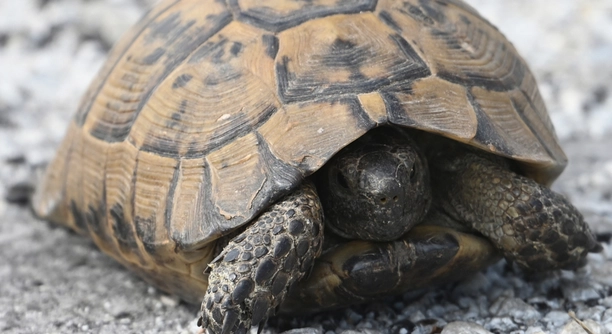
If your Greek tortoise is refusing its favorite food, it can be concerning. Understanding the reasons behind this behavior is important for maintaining its health and ensuring it enjoys a balanced diet. Various factors can influence its eating habits.
Several reasons could cause your tortoise to refuse its preferred food. Illness, stress, environmental changes, or diet imbalances are common culprits. Temperature fluctuations or even seasonal changes may also affect its appetite, leading to a decrease in food intake.
Addressing the causes behind your tortoise’s refusal to eat will help you understand how to restore its appetite and keep it healthy.
Illness or Health Issues
If your Greek tortoise isn’t eating its favorite food, illness could be the reason. Respiratory infections, parasites, or other health problems often cause a loss of appetite. Tortoises may hide their discomfort, so it’s important to keep an eye out for other symptoms like lethargy, labored breathing, or discharge from the eyes or nose.
A vet check-up is essential if you notice any signs of illness. Regular health checks will help ensure your tortoise is free from underlying conditions that might affect its eating habits. If the vet rules out illness, it’s time to consider other possibilities, like stress or environmental factors.
Addressing health issues as soon as you notice changes in behavior can prevent further complications. Ensuring your tortoise is comfortable, hydrated, and in good health should always be a priority. Seeking professional help is the best way to identify and treat any medical conditions early.
Stress from Handling or Environment
Stress can also lead to a decrease in appetite. Changes in handling, such as frequent touching or moving your tortoise, can cause stress. Additionally, an environment that feels unsafe or uncomfortable may discourage eating.
Make sure its habitat remains consistent and stress-free. A quiet, secure space is ideal for your tortoise to feel at ease and enjoy its meals.
Improper Diet or Food Preparation
If your tortoise isn’t eating, it might not be the food that’s the issue, but rather how it’s prepared. Too many fruits, or foods that are too high in moisture, can upset their stomachs and reduce their appetite.
Make sure to offer a variety of foods that are suitable for your tortoise’s species. Ensure the food is fresh, clean, and properly chopped into manageable pieces. Avoid feeding them foods that could upset their digestive system, like lettuce with high water content or overly rich foods. A balanced, diverse diet encourages healthy eating habits.
Sometimes, how the food is presented also matters. If the food is too large, or if there are unfamiliar smells, your tortoise might refuse to eat. Keep the food in easy-to-reach places, and make sure it’s not overwhelming. A consistent feeding routine can also help maintain your tortoise’s appetite.
Temperature and Lighting Conditions
The temperature and lighting conditions in your tortoise’s habitat could be affecting its eating habits. Greek tortoises are cold-blooded, so they rely on external heat sources to regulate their body temperature. If the temperature is too low, your tortoise might not feel the urge to eat.
Ensure that your tortoise’s enclosure is kept at the right temperature. A basking spot around 90°F (32°C) and a cooler area around 75°F (24°C) provide a comfortable gradient. Too hot or too cold of an environment will impact your tortoise’s digestion and appetite. Inadequate lighting, such as poor UVB exposure, also hinders its ability to process food properly.
Without the right temperature and lighting, your tortoise might become lethargic or refuse food. It’s important to ensure their enclosure mimics their natural habitat as closely as possible, so they can stay healthy and active. Providing a proper heat source and UVB light will help regulate their metabolism and encourage feeding.
Seasonal Changes
Greek tortoises can slow down their eating habits during certain times of the year. In colder months, they may enter a semi-hibernation state, where their metabolism slows, and food intake decreases.
This behavior is completely natural. During the cooler months, they may be less active and require less food. It’s important to reduce their food intake gradually during these times. Monitor their activity and make adjustments to their diet as needed. Be sure to check for any signs of health issues as well, in case the reduced appetite is unrelated to seasonal changes.
Age or Developmental Stage
As Greek tortoises age, their eating patterns may change. Young tortoises tend to have a bigger appetite, while older ones may eat less. This can be due to a slower metabolism or changing dietary needs.
Make sure to adjust their diet to meet their current stage of life. Older tortoises might not need as much food or may prefer different types of food. A balanced diet is crucial for maintaining their health through different life stages. Keep an eye on their eating habits to make sure they stay healthy.
Overfeeding or Food Variety
Sometimes, offering the same food too frequently can lead to a loss of interest. Overfeeding can also lead to a lack of appetite, as your tortoise may simply feel full.
Introducing variety into their diet will keep them interested and ensure they receive proper nutrition. Rotate fresh greens, flowers, and vegetables to provide essential nutrients while preventing them from becoming bored with their meals. Mixing in different textures and flavors can also help maintain their interest. Keep portions appropriate to avoid overfeeding and maintain their healthy weight.
FAQ
Why isn’t my Greek tortoise eating?
Several factors can contribute to your Greek tortoise refusing food. It might be due to health issues, stress, improper diet, or environmental factors like temperature and lighting. Seasonal changes or age-related factors can also play a role. It’s important to monitor their behavior, diet, and environment to identify the root cause. If the problem persists, a visit to the vet is recommended.
Can my tortoise go without food for a few days?
Greek tortoises can occasionally go without food for a few days, especially if they are slowing down for the season or if they are unwell. However, prolonged fasting can be harmful, leading to dehydration or malnutrition. It’s important to monitor their health and provide access to fresh water. If your tortoise refuses food for an extended period, consult a veterinarian to rule out health problems.
How can I get my tortoise to eat again?
If your tortoise refuses food, first ensure the environment is optimal with proper temperature, lighting, and humidity levels. Introduce variety into their diet, including fresh vegetables, fruits, and flowers. Reduce stress by minimizing handling, and create a quiet, secure environment. If they still refuse food, a visit to the vet is necessary to rule out any health concerns.
What are the signs that my tortoise is sick?
Signs of illness in a tortoise include lethargy, abnormal shell or eye discharge, difficulty breathing, lack of appetite, and abnormal feces. If you notice any of these symptoms, it’s crucial to seek veterinary care. Tortoises tend to hide signs of illness, so any change in behavior should be taken seriously.
Can stress cause my tortoise to stop eating?
Yes, stress is a common cause of a tortoise refusing food. Stressors like changes in habitat, frequent handling, or environmental instability can affect their appetite. Ensure your tortoise’s living space is consistent and peaceful. Reducing stress can help restore normal eating habits. Avoid overhandling, and provide a secure, quiet environment.
What should I do if my tortoise is not eating its favorite food?
If your tortoise isn’t eating its favorite food, try offering a variety of other foods to see if it sparks their interest. Check their environment for stressors or temperature issues. Seasonal changes may also affect their appetite. If the refusal to eat continues, seek professional advice from a vet.
Is it normal for a tortoise to eat less during winter?
Yes, Greek tortoises naturally reduce their food intake during the cooler months. They may enter a form of brumation or slow down their metabolism, which results in decreased appetite. During this time, it’s important to reduce food portions gradually and provide a slightly cooler environment. However, always ensure they are hydrated and monitor their health.
How do I know if my tortoise is too cold?
If your tortoise feels cold to the touch, is lethargic, or is not eating, it could be too cold. Tortoises need a basking area that’s around 90°F (32°C) and a cooler area around 75°F (24°C). If the temperature is too low, their digestion and appetite may be affected. Invest in a reliable thermometer to monitor the habitat temperature and make adjustments as needed.
Can I feed my tortoise fruits and vegetables every day?
It’s best to offer fruits and vegetables in moderation. While these are essential to a tortoise’s diet, a variety of greens should make up most of their meals. Fruits should be treated as a treat due to their high sugar content. Too much fruit or certain vegetables can cause digestive problems.
Should I give my tortoise supplements?
Supplements can be beneficial for tortoises, especially if they’re not getting enough vitamins and minerals from their diet. Calcium and vitamin D3 supplements are often recommended to support healthy shell growth and prevent metabolic bone disease. Always consult a veterinarian for proper guidance on supplementation, as overuse can also be harmful.
How can I keep my tortoise’s habitat warm?
To maintain a warm habitat, you should use a heat lamp or basking light that provides a consistent heat source. Make sure your tortoise has a basking area with temperatures around 90°F (32°C) and a cooler area at 75°F (24°C). A ceramic heat emitter or a heat pad may also be used to maintain warmth at night.
What is the best substrate for my tortoise’s enclosure?
The best substrate for a Greek tortoise’s enclosure is one that mimics their natural environment and allows for proper humidity levels. Popular options include organic soil, coconut coir, and a mix of sand and soil. Avoid substrates that can cause respiratory issues, like cedar wood shavings. Make sure the substrate is deep enough for your tortoise to burrow and stay comfortable.
Can I feed my tortoise lettuce?
Lettuce can be offered in moderation, but avoid feeding your tortoise iceberg lettuce, as it has very little nutritional value and can cause digestive issues. Opt for dark, leafy greens like romaine or dandelion greens. A varied diet with appropriate greens is essential to their health.
How often should I feed my tortoise?
Feeding frequency depends on your tortoise’s age and activity level. Young tortoises typically eat every day, while adults can be fed every other day or a few times a week. Adjust the feeding schedule based on their activity levels and appetite, ensuring they get a balanced diet without overfeeding.
Final Thoughts
When your Greek tortoise refuses its favorite food, it can be concerning, but there are various factors to consider. Health issues, environmental changes, and stress are some of the most common reasons for a loss of appetite. It’s essential to observe their behavior closely and check their surroundings for any problems that might be affecting their well-being. A sudden refusal to eat might not be a sign of something serious, but it’s always better to rule out potential issues sooner rather than later.
It’s also important to remember that tortoises are creatures of habit. Changes in their environment, whether it’s temperature, lighting, or even the introduction of new foods, can sometimes cause them to become picky eaters. Gradually reintroducing their favorite food or offering a variety of options may help. Pay attention to any signs of illness such as lethargy or shell problems, as these could indicate a more serious health issue. Keeping your tortoise’s environment consistent and stress-free will support a healthy appetite and overall well-being.
If the problem persists and your tortoise continues to refuse food, it might be time to consult a veterinarian who specializes in reptiles. A professional can help determine if there’s an underlying health condition, such as parasites, a respiratory infection, or metabolic bone disease, affecting their appetite. They can also provide tailored advice on diet and care, ensuring your tortoise stays healthy and happy for years to come. Regular checkups are always a good idea to keep your tortoise in the best possible condition.

Hello,
If you enjoy the content that we create, please consider saying a "Thank You!" by leaving a tip.
Every little bit helps us continue crafting quality advice that supports the health, happiness, and well-being of pets around the world, for pets of all shapes, sizes, and species.
We really appreciate the kindness and support that you show us!