
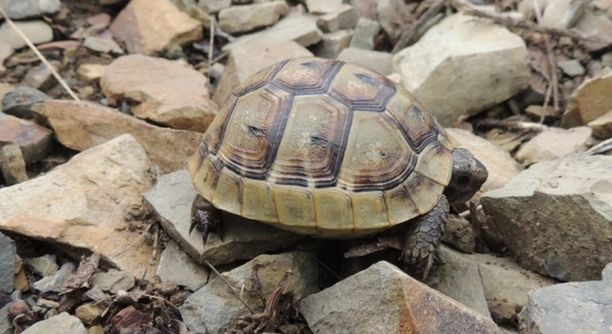
Greek tortoises, as intelligent creatures, require stimulation and enrichment to stay healthy and active. Providing a varied environment helps them express natural behaviors. With a few simple ideas, you can keep your tortoise mentally and physically engaged.
Enrichment for Greek tortoises is crucial for their well-being. DIY enrichment activities can include creating obstacle courses, offering different food textures, and adding hiding spots to their habitat. These activities help reduce stress and promote natural behaviors such as foraging and exploring.
These easy DIY ideas will give your tortoise an enriching and fulfilling life, promoting its health and happiness while keeping things simple.
1. Create an Obstacle Course
One of the best ways to engage your Greek tortoise is by setting up an obstacle course. Tortoises love to explore and challenge themselves, so a course with tunnels, ramps, and various textures will keep them busy. You can use simple materials like cardboard, rocks, and wooden planks to create a safe yet exciting course. Ensure that the obstacles are low and easy for your tortoise to navigate to avoid injury.
A well-designed obstacle course will encourage your tortoise to move, climb, and problem-solve. These activities mimic the challenges they might encounter in the wild, providing both physical and mental stimulation. It also promotes muscle strength and coordination.
Creating an obstacle course is easy and doesn’t require expensive equipment. Use household items, and remember to change the setup occasionally to keep things fresh. This will ensure your tortoise stays engaged and enjoys a healthy, active lifestyle.
2. Offer New Food Textures
Introducing new food textures to your tortoise can be a fun and engaging way to enrich their environment. Offer foods like leafy greens, flowers, and fruits in various forms, such as chopped, shredded, or whole.
Different textures encourage natural foraging behaviors, stimulating your tortoise’s senses. The act of exploring their food helps mimic their natural behavior and encourages healthy eating habits. Keep a balance of nutritious foods to ensure their diet is well-rounded.
3. Add Hiding Spots
Hiding spots are essential for your tortoise’s comfort. They offer a sense of security and a place to retreat. You can use small wooden boxes, ceramic pots, or even overturned plastic containers. The hiding spots should be easy to access but provide enough coverage for your tortoise to feel safe.
These hiding spots mimic the natural burrows tortoises would seek out in the wild. It helps reduce stress and offers a quiet space for them to rest. Make sure the hideouts are placed in various areas of the enclosure, giving your tortoise choices for where they want to hide.
Don’t overcrowd the enclosure with too many hiding spots, as your tortoise still needs space to roam. Keep them clean and dry, and occasionally move them to create new environments for exploration. This simple addition helps promote mental well-being and provides your tortoise with a more fulfilling habitat.
4. Offer a Sand Pit
Adding a sand pit to your tortoise’s habitat is a fun way to engage them. Tortoises enjoy digging, and sand offers them a natural texture to explore. Fill a small container or a corner of the enclosure with a few inches of play sand.
The sand encourages your tortoise to dig, which is not only a natural behavior but also a good way to exercise their legs and claws. It provides mental stimulation and gives your tortoise something to focus on. You can occasionally hide food or treats in the sand to further motivate your tortoise.
The sand pit should be shallow and clean. Change the sand regularly to prevent it from becoming too dirty or contaminated. Ensure that the sand is safe for tortoises, as certain types may contain harmful chemicals. Adding a sand pit is a simple and effective way to boost your tortoise’s environment.
5. Provide a Shallow Water Dish
A shallow water dish is a great way to encourage your tortoise to stay hydrated. Choose a dish that’s wide but not too deep to prevent drowning. Change the water regularly and make sure it’s clean.
Water is essential for your tortoise’s health, and a shallow dish will give them easy access without the risk of tipping over. Offer the dish in a spot that allows your tortoise to drink comfortably. A water dish also helps maintain proper humidity levels in the enclosure.
Make sure the water dish is easy to clean to prevent bacterial growth. Some tortoises enjoy soaking in water, which can aid digestion and help with shell care.
6. Add Natural Plants
Natural plants in your tortoise’s habitat can offer enrichment and stimulate their natural behaviors. Opt for non-toxic plants like clover, dandelions, or basil.
Plants provide an area for your tortoise to forage, which is beneficial for mental stimulation. They can also serve as food, adding variety to your tortoise’s diet. Just be sure to research the plants you’re introducing to avoid harmful varieties.
Adding plants allows your tortoise to express natural behaviors like foraging and exploring. It also creates a more visually interesting environment for them.
FAQ
How often should I change my tortoise’s substrate?
The substrate in your tortoise’s enclosure should be changed every 2-3 weeks, depending on how messy it gets. If you notice it becoming soiled or smelly sooner, it’s best to replace it. Spot cleaning daily helps maintain hygiene in between full changes. Keep in mind that different substrates, like coconut coir or soil, may need different care routines.
Can I use artificial plants in my tortoise’s enclosure?
Yes, you can use artificial plants, but it’s important to choose ones that are safe and won’t harm your tortoise if chewed. Make sure the plants don’t have sharp edges or small pieces that could break off and be ingested. It’s best to mix both real and artificial plants for variety.
What is the best way to feed my Greek tortoise?
The best way to feed your tortoise is to provide a variety of fresh, leafy greens such as dandelion leaves, collard greens, and romaine lettuce. Fruits can be offered occasionally, but they should not make up the bulk of their diet. Additionally, include calcium and vitamin supplements to ensure proper nutrition.
Is it necessary to provide UVB lighting for my tortoise?
Yes, UVB lighting is essential for Greek tortoises to help them synthesize vitamin D3, which is necessary for calcium absorption. Ensure the light is placed within a proper distance from your tortoise to effectively mimic natural sunlight. UVB lights should be replaced every 6 months to maintain their effectiveness.
Can I house multiple tortoises together?
Housing multiple tortoises together is possible, but it requires careful planning. Tortoises are territorial animals, and without enough space, they may fight over food or basking spots. Ensure that each tortoise has enough room to roam and access to food and water. Always monitor their interactions, especially during feeding time.
What temperature should my tortoise’s enclosure be?
A temperature gradient is important in your tortoise’s habitat. Daytime temperatures should range from 80-85°F (27-29°C) in the cooler areas and 90-95°F (32-35°C) in the basking spot. Nighttime temperatures can drop to around 70-75°F (21-24°C). Always monitor the temperature using reliable thermometers.
Do I need to provide a humidity source for my tortoise?
Greek tortoises prefer dry conditions, but maintaining some humidity is important, especially for their skin and shell. You can increase humidity by lightly misting their habitat or adding a shallow water dish. However, be careful not to overdo it, as high humidity can lead to respiratory issues.
How can I tell if my tortoise is healthy?
A healthy tortoise will be active, have clear eyes, and exhibit regular eating and drinking habits. Their shell should be firm, smooth, and free from cracks or soft spots. If your tortoise is lethargic, refuses food, or has noticeable changes in its shell, it could indicate health problems.
What should I do if my tortoise isn’t eating?
If your tortoise isn’t eating, check the temperature and humidity in their enclosure. Stress, illness, or changes in environment can cause them to lose their appetite. If your tortoise hasn’t eaten for more than a couple of days or shows signs of illness, it’s best to consult with a veterinarian.
How much space does a Greek tortoise need?
Greek tortoises need a large space to move around, with at least 10 square feet of space per tortoise in their enclosure. Larger enclosures are always better, especially if you have multiple tortoises. They need room for exploring, hiding, and foraging to thrive.
What is the best way to handle my tortoise?
Handling your tortoise should be done with care to avoid stressing them. Always support their body fully, especially their shell, and avoid picking them up by the legs. Keep handling to a minimum, as tortoises prefer to explore on their own. If you need to handle them, be gentle and keep sessions brief.
Can I use a heat lamp for my tortoise?
A heat lamp is an excellent way to provide warmth in your tortoise’s enclosure, especially in the basking area. Make sure the heat lamp is not too hot and monitor the temperature regularly. Heat lamps should be placed above the basking area to provide a consistent temperature.
How do I provide my tortoise with enrichment?
Enrichment can be provided in various ways, including hiding spots, climbing opportunities, and foraging activities. You can hide food in their enclosure, add textured objects for climbing, or even create an obstacle course. These activities stimulate your tortoise mentally and physically, helping them remain active and healthy.
Can I feed my tortoise commercial food?
Commercial tortoise food can be used occasionally but should not make up the majority of their diet. Fresh greens, flowers, and safe fruits are much healthier options. If you do use commercial food, ensure it’s specifically designed for Greek tortoises and lacks additives or artificial ingredients.
What should I do if my tortoise is shedding its scutes?
Shedding scutes is a natural process for tortoises as they grow. If your tortoise is shedding, ensure that they have a healthy diet and proper humidity. Avoid peeling the scutes manually, as this can cause injury. If shedding seems abnormal or prolonged, consult a veterinarian.
Final Thoughts
Providing enrichment for your Greek tortoise is essential to keep them happy and healthy. It’s not just about feeding and maintaining their habitat, but also creating an environment where they can exhibit natural behaviors like foraging, exploring, and basking. The more you can mimic their natural surroundings, the better their overall well-being will be. Simple additions like plants, climbing structures, and water dishes can go a long way in improving their quality of life.
Keeping a Greek tortoise requires consistency and care. Regularly changing their substrate, monitoring temperature and humidity levels, and ensuring a balanced diet will help your tortoise thrive. However, enrichment is just as important as the basics. Giving them opportunities to explore and interact with their environment helps prevent boredom, which can lead to stress and health issues. As with any pet, learning about their natural instincts and preferences will guide you in creating a suitable habitat.
In the end, the goal is to create an enriching environment where your tortoise feels comfortable and active. Whether it’s providing new hiding spots, adding safe plants, or simply letting them roam, small changes can make a big difference. By investing time in their care and well-being, you can ensure that your Greek tortoise will live a fulfilling, long life.

Hello,
If you enjoy the content that we create, please consider saying a "Thank You!" by leaving a tip.
Every little bit helps us continue crafting quality advice that supports the health, happiness, and well-being of pets around the world, for pets of all shapes, sizes, and species.
We really appreciate the kindness and support that you show us!