
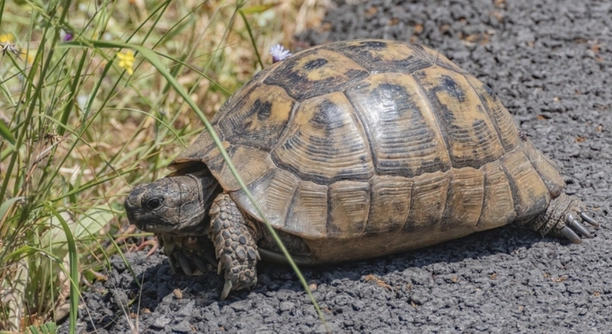
Greek tortoises are known for their long lifespan and unique behaviors. As a tortoise owner, it’s essential to watch for certain shell issues that could affect their health. These problems can be subtle at first but should not be ignored.
Shell issues in Greek tortoises often signal underlying health concerns. Problems such as shell pyramiding, cracks, and infections require prompt attention. Early detection and proper care can help your tortoise lead a healthy life and avoid further complications.
With the right knowledge, you can keep your tortoise happy and healthy. Learning about these common shell problems ensures they stay in great condition for years to come.
Shell Pyramiding: What It Means for Your Greek Tortoise
Shell pyramiding is a common condition that occurs when the scutes of a tortoise’s shell grow unevenly. This can cause a pyramid-like shape on the shell, which can be a sign of improper diet or poor humidity levels. If you notice that your tortoise’s shell is starting to look jagged or spiked, it’s important to adjust their living conditions as soon as possible. Shell pyramiding can lead to pain and other issues if left unaddressed. Over time, it may also affect their movement and overall health.
Adjusting your tortoise’s habitat can help prevent this issue. Ensuring they get enough humidity and UVB light is key. Providing a well-balanced diet will also support healthy shell growth and prevent further deformities.
A tortoise with shell pyramiding may have trouble with shell shedding, making it more difficult for them to grow their shell properly. As time goes on, the damage can become irreversible. By taking the right steps now, you can reduce the risk of this painful condition and help your tortoise live a healthier life.
Cracks and Broken Shells: Causes and Treatment
Cracked shells can happen for a variety of reasons, including accidental falls or rough handling. While cracks may seem minor, they can lead to infections if not treated quickly.
A minor crack can be cleaned and sealed using a non-toxic adhesive. If the crack is deeper or bleeding, seeking a vet’s help is necessary to prevent infection. Keeping your tortoise in a safe, calm environment can also help prevent future injuries.
Shell Rot: Signs You Should Watch For
Shell rot is a bacterial or fungal infection that can cause soft, mushy patches on the shell. It often happens when the tortoise is exposed to excess moisture or unsanitary conditions. If you notice any changes in the shell’s texture or smell, it’s time to take action.
The main cause of shell rot is poor hygiene or excessive dampness in the enclosure. If left untreated, the infection can spread, causing severe damage to the shell and internal organs. Prompt cleaning of the affected area and providing the right environment can help prevent this condition from worsening.
A vet can treat shell rot by removing the infected tissue and applying topical antibiotics. In some cases, oral medications might also be needed. Ensure your tortoise’s habitat is dry and clean to prevent future issues. Regular checks can also help catch this problem early before it becomes too serious.
Overgrown Scutes: What You Need to Know
Overgrown scutes are a common issue, especially if your tortoise isn’t moving around enough. This can result in a build-up of old, dead skin cells on the shell, making it harder for new scutes to grow.
Overgrown scutes often occur when the tortoise’s natural wear and tear are hindered due to insufficient space or improper surfaces for scratching. While not always painful, this can affect your tortoise’s health over time. If the overgrowth isn’t removed, it could lead to discomfort and problems with shell growth.
A simple solution is to gently trim the overgrown scutes with a safe, sharp tool or consult a vet for assistance. Providing rough surfaces like rocks or logs for your tortoise to crawl over can also help wear down the scutes naturally. Regular observation and maintenance of your tortoise’s shell will help avoid this issue.
Blunt or Flattened Shell: What It Means
A blunt or flattened shell can be a sign of nutritional deficiencies or poor care. This issue may lead to an overall weakened shell structure that is more prone to damage and infections. If you notice a change in shape, it’s time to reassess your tortoise’s care.
Correcting the diet and habitat is key to fixing a flattened shell. Ensure they are receiving the proper balance of calcium, UVB light, and space for movement. An appropriate environment can help promote healthy shell growth and prevent further deformities.
Sunken Eyes: A Warning Signal
Sunken eyes in a tortoise can be a sign of dehydration or malnutrition. If you notice your tortoise’s eyes looking hollow or dry, it’s essential to act quickly. This can be a serious sign of an underlying health issue.
Providing your tortoise with proper hydration and a nutrient-rich diet is crucial. If the eyes don’t improve or other signs of illness appear, it’s best to seek veterinary help. In some cases, dehydration can lead to further complications, so monitoring their water intake and diet is critical.
Uneven Growth Patterns: What to Do
Uneven growth patterns in a tortoise’s shell can be a sign of an imbalance in their diet or environmental conditions. This may cause one side of the shell to grow faster than the other, resulting in uneven shaping.
To fix this, focus on ensuring your tortoise is getting a balanced diet with enough nutrients, such as calcium and Vitamin D3. Offering a proper UVB light source and maintaining appropriate humidity levels can encourage even growth. Regular checks on your tortoise’s shell and overall health are necessary to catch any issues early.
FAQ
What should I do if my Greek tortoise’s shell is soft?
A soft shell is often a sign of calcium deficiency, poor diet, or insufficient UVB light. To fix this, provide your tortoise with a diet high in calcium and make sure they get enough UVB light to help with calcium absorption. You can also consider offering calcium supplements. Regular exposure to the sun or a UVB bulb in their enclosure is essential for proper shell growth and strength. If the softening continues despite diet changes, it’s a good idea to consult with a vet to rule out any other potential health issues.
How can I tell if my tortoise has shell rot?
Shell rot is usually indicated by soft, discolored, or foul-smelling areas on the shell. You might notice patches of the shell that are moist or have a spongy texture. If left untreated, the rot can spread and cause deeper infections. To treat shell rot, it’s important to remove any damaged tissue, clean the area thoroughly, and apply antiseptic treatments. Keeping your tortoise’s habitat dry and clean is essential in preventing further rot. If the rot seems severe, a vet visit is necessary for more intensive care.
Why is my Greek tortoise’s shell turning white?
A white shell can result from a few different issues, including fungal infections or lack of exposure to proper lighting. Sometimes, a tortoise’s shell will appear white when it’s shedding, which is normal. However, if the shell turns white and becomes flaky, it could indicate a fungal infection or mineral deficiency. In this case, it’s best to check the habitat conditions, such as the temperature and humidity, and ensure the tortoise is getting enough UVB light. If the white patches don’t go away or worsen, a vet may need to assess the situation.
What causes shell pyramiding in Greek tortoises?
Shell pyramiding occurs when the scutes of the shell grow in uneven layers, creating a pyramid-like shape. It’s often caused by improper care, including an unbalanced diet, lack of UVB light, and inadequate humidity. Shell pyramiding is a result of the tortoise’s growth pattern being disturbed, usually due to nutritional or environmental factors. To prevent or treat this, ensure your tortoise gets a proper, balanced diet with plenty of calcium and vitamin D3. Proper exposure to UVB light and maintaining correct humidity levels are also essential for healthy shell growth.
Can my tortoise’s shell heal after it’s cracked?
Cracks in the shell can heal, but the process depends on the severity of the injury. If the crack is shallow and not too deep, it can often be treated by cleaning the wound, applying a protective covering, and keeping the tortoise in a clean, dry environment. For deeper cracks, it’s important to take your tortoise to a vet for more advanced treatment, which may include antibiotics to prevent infection. While some cracks can heal on their own, larger ones might require veterinary attention to prevent complications.
How do I prevent overgrown scutes on my tortoise?
Overgrown scutes occur when a tortoise doesn’t have enough natural wear on its shell. This can happen when it doesn’t have access to rough surfaces or enough space to move. To prevent overgrowth, make sure your tortoise has a variety of surfaces in its enclosure to walk on, such as rocks, logs, or rough tiles. Regular exercise and time outside can also help with natural shell wear. In some cases, trimming overgrown scutes may be necessary, but it’s always best to consult a vet before doing so to avoid causing harm.
How often should I clean my tortoise’s shell?
Cleaning your tortoise’s shell is an important part of overall care. It should be cleaned regularly to remove dirt, algae, or fecal matter that can accumulate on the shell. You can gently wash the shell with warm water and a soft brush. Be careful not to scrub too hard, as this could damage the scutes. Cleaning the shell also gives you an opportunity to check for any signs of injury, infection, or growth abnormalities. Make sure the tortoise’s habitat is clean as well, as a dirty environment can lead to health problems like shell rot.
What is the best way to treat shell rot?
If your tortoise develops shell rot, the first step is to remove any affected tissue. You can carefully clean the area using a mild disinfectant and a soft brush. It’s important to let the shell dry before applying any ointments or treatments. Using an antibiotic ointment can help prevent infection. It’s also essential to address the root cause of the shell rot, such as poor enclosure conditions, by maintaining a dry, clean environment and ensuring proper humidity and lighting. If the rot is severe, it’s best to seek professional veterinary care for more intensive treatment.
Why is my tortoise not eating, and could it be related to its shell?
If your tortoise isn’t eating, it could be due to a number of factors, some of which may be related to its shell. A tortoise with an unhealthy shell might be in pain, which could affect its appetite. Shell issues like shell rot or pyramiding can cause discomfort and stress, which may cause a tortoise to stop eating. Environmental factors, such as incorrect temperature, humidity, or lack of UVB light, could also impact their appetite. Check your tortoise’s shell and habitat, and if the problem persists, consult with a vet.
How can I improve the overall health of my tortoise’s shell?
The best way to ensure a healthy shell for your tortoise is by providing the proper diet, habitat, and care. Offer a well-balanced diet rich in calcium, vitamin D3, and fiber. Make sure your tortoise gets proper UVB exposure to help with calcium absorption. Regular exercise on natural surfaces, such as rocks and logs, can help prevent scute overgrowth and encourage healthy shell development. Keep your tortoise’s living space clean and dry, and monitor for any signs of shell problems so you can address them early. A healthy environment is crucial for maintaining a healthy shell.
Taking care of a Greek tortoise’s shell is an important part of their overall health. Their shell can tell you a lot about how they are doing, from their diet to their living conditions. When issues like soft spots, cracks, or shell rot appear, it’s essential to address them as soon as possible. Ignoring these problems can lead to bigger health concerns down the road. Providing the right environment, balanced diet, and proper lighting is key to keeping their shell strong and healthy.
While some shell problems may seem minor at first, they can have lasting effects if not treated properly. Pyramiding, for example, can be caused by things like improper humidity or a poor diet, and can affect the tortoise’s ability to grow normally. Similarly, cracks and shell rot can lead to infections that, if untreated, can cause serious damage. Always monitor your tortoise’s shell and overall condition, as small changes can sometimes indicate bigger issues. Early detection and care are the best ways to ensure your tortoise lives a long, healthy life.
In the end, the health of your Greek tortoise’s shell is closely tied to how well you care for them. Regularly checking their shell for any signs of damage, infection, or irregular growth can help prevent problems before they worsen. Offering the right food, maintaining the right temperature and humidity, and providing proper UVB light will create a healthy living environment that encourages strong shell growth. By staying on top of these care basics, your tortoise will not only have a beautiful shell but will also live a happier, healthier life.

Hello,
If you enjoy the content that we create, please consider saying a "Thank You!" by leaving a tip.
Every little bit helps us continue crafting quality advice that supports the health, happiness, and well-being of pets around the world, for pets of all shapes, sizes, and species.
We really appreciate the kindness and support that you show us!