
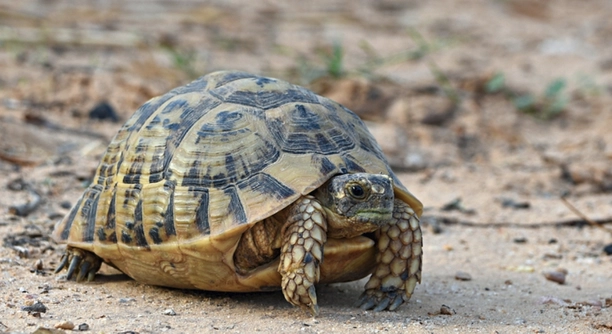
If you own a Greek tortoise, you know they thrive in warm weather. However, during hot spells, keeping them cool can be a challenge. Proper care during these conditions is essential to their health and well-being.
To keep your Greek tortoise cool in hot weather, provide them with plenty of shade, fresh water, and a cool, well-ventilated environment. Avoid direct sunlight and ensure they have a place to retreat from the heat throughout the day.
In the next few sections, we will explore the best methods to ensure your tortoise stays comfortable and safe.
Provide Shade
Greek tortoises are naturally adapted to sunny, dry climates, but in extreme heat, they can easily overheat. It’s important to create shaded areas where they can escape from the direct sun. A simple outdoor shelter like a small wooden box or a large plant can help provide the right amount of shade. You can also use a large piece of cloth or tarp to create a cool hiding spot. When setting up, be sure to place it in a spot that avoids high heat and still allows for airflow.
It’s not just about blocking sunlight; you want to make sure the space is properly ventilated. Too much heat and humidity can be just as harmful as direct sunlight. If you’re using a shelter, ensure it’s not enclosed tightly. Fresh air circulation is essential to help regulate their body temperature.
If you keep your tortoise in an enclosure, you might want to place some shade cloth around the sides. This prevents direct sun from hitting the enclosure’s walls, keeping the temperature inside manageable. With the right amount of shade, your tortoise can rest comfortably and safely.
Provide Fresh Water
Always make sure your tortoise has access to fresh, clean water. Staying hydrated is crucial, especially when the weather gets hot. A shallow water dish is a good option as it allows them to drink or soak as needed. You may need to refresh the water more frequently during the hotter months to prevent it from warming up too much.
Greek tortoises may enjoy soaking in the water during extremely hot days to cool down their bodies. Be sure the water is not too deep—just enough to allow them to climb in and out. If your tortoise enjoys it, soaking them gently in lukewarm water can help keep their body temperature in check. Just be careful not to stress them.
If you’re keeping your tortoise outdoors, monitor the water level throughout the day, as it can evaporate quickly in the heat. A constant supply of fresh water keeps them hydrated and helps maintain a proper body temperature. It’s a simple but important part of their care.
Keep the Habitat Cool
In hot weather, the environment your tortoise stays in should remain cool. If they are kept outside, try to find a shaded spot with good airflow. For indoor enclosures, use a fan or keep the room temperature steady. Keeping their space cooler will help prevent overheating.
If you live in an area with extreme heat, it might be worth using cooling pads or cooling rocks in their habitat. These cool surfaces provide a way for your tortoise to regulate their body temperature. Make sure these pads are easy for them to move on and off. Don’t use cooling methods that can get too cold, as sudden temperature drops can be harmful.
For tortoises in outdoor pens, try placing large, cool stones around their habitat. They often seek out cool surfaces to help bring down their body temperature. Just ensure the stones are safe and won’t get too hot in the sun, which could make the problem worse.
Avoid Overheating During Feeding
When the temperature rises, feeding your tortoise at the right time is crucial. During the hottest parts of the day, it’s best to wait for the temperature to drop before feeding them. This helps avoid additional stress on their body.
Feeding them early in the morning or late in the evening allows you to keep the feeding environment cooler. It’s important to feed them during cooler periods so they don’t have to eat under the scorching sun. If your tortoise is outside, consider providing food under the shade, so they don’t have to move far from a cooler area to get their meals.
The heat can make digestion harder for your tortoise. If they eat when it’s too hot, they may feel sluggish or struggle to process their food properly. Keeping feeding times in the cooler parts of the day will ensure your tortoise stays happy and healthy.
Use a Misting System
A misting system can help lower the temperature in your tortoise’s habitat. Light misting can provide a cooler environment without making things too wet. It also adds humidity, which can be helpful in some dry climates.
It’s important not to overdo it, though. Too much moisture can lead to skin or shell issues for your tortoise. A few spritzes throughout the day will create the right balance, keeping them cool and hydrated. You can adjust the misting based on how hot the weather gets.
Make sure the misting system doesn’t make the habitat too damp or wet. Monitor your tortoise closely to ensure they don’t feel uncomfortable or stressed.
Avoid Handling in the Heat
During hot weather, avoid excessive handling of your tortoise. Lifting them when they are too warm can add unnecessary stress and potentially raise their body temperature. It’s better to let them relax in a cool area.
In extreme heat, it’s also harder for them to regulate their body temperature if they’re constantly moved around. Handling should be kept to a minimum, only doing so when necessary. Always ensure that the environment they are in is stable and comfortable before picking them up.
Keep Outdoor Pens Well-ventilated
If your tortoise lives outside, proper ventilation is crucial. An outdoor pen should have airflow to prevent the temperature from rising too high inside. Without ventilation, it can trap hot air, making it unbearable for your tortoise.
Ensure the sides of the pen are made of mesh or another breathable material. A simple mesh screen can help keep the area cool while preventing predators from getting inside. By keeping the air circulating, you allow your tortoise to enjoy a safe and comfortable environment.
FAQ
How can I tell if my Greek tortoise is too hot?
Signs that your Greek tortoise is too hot include them becoming sluggish, not eating, or retreating to a shady area more often than usual. You might also notice that they begin to stretch out, trying to cool down. If they are breathing heavily or seem lethargic, it’s an indication that they are overheated. It’s important to move them to a cooler environment immediately and provide water.
Can I leave my Greek tortoise outside during extreme heat?
It’s not recommended to leave your tortoise outside in extreme heat without proper precautions. Greek tortoises can tolerate warm temperatures, but during heatwaves, they may become stressed or dehydrated. Make sure their outdoor pen has plenty of shade, a place to hide, and access to fresh water. If temperatures rise above 90°F (32°C), consider bringing them indoors where you can control their environment better.
What temperature is too hot for a Greek tortoise?
Generally, temperatures above 90°F (32°C) can be dangerous for a Greek tortoise. If the environment becomes too hot, they will struggle to regulate their body temperature. While they can handle warm weather, prolonged exposure to high temperatures without adequate cooling options can lead to heatstroke or dehydration.
How often should I provide water for my Greek tortoise in hot weather?
In hot weather, it’s important to provide fresh water at least once a day. If your tortoise is active or spends a lot of time outside in the heat, you may need to offer water more frequently. Ensure the water dish is shallow so they can easily access it. You can also mist them lightly to keep them hydrated.
Can I use a cooling mat for my tortoise?
Cooling mats are a good option if you want to regulate the temperature of your tortoise’s environment. However, make sure the mat is not too cold. It’s better to place it in a shaded area, where the temperature stays mild. Avoid using them for long periods as too much cold can also harm your tortoise.
Should I change my tortoise’s diet in hot weather?
While your Greek tortoise’s diet should remain the same year-round, you may want to increase the water content in their food during hot weather. You can offer water-rich vegetables like cucumbers or leafy greens to help keep them hydrated. Avoid overfeeding and ensure they get enough fiber, which is essential for digestion.
How do I keep my Greek tortoise cool in an indoor enclosure?
For indoor enclosures, you should ensure the temperature is regulated. Use fans or air conditioning to keep the room cool. Make sure their enclosure has proper ventilation to prevent the heat from becoming trapped. You can place a shallow dish of water inside for them to drink and soak in.
Can I let my Greek tortoise swim in a pool to cool down?
Greek tortoises do not swim naturally, and they should not be submerged in deep water. While they can soak in shallow water to help cool down, a pool is not suitable for them. Only allow them to soak in a dish or a shallow tub with water that is not too deep to avoid any risks.
Are there specific plants I can grow to help provide shade for my tortoise?
Yes, planting natural shade in your tortoise’s environment is a great idea. Some plants, like large-leafed herbs, bushes, and certain types of trees, can provide ample shade for your tortoise. Look for non-toxic plants that offer a good amount of cover but don’t block airflow.
What do I do if my tortoise shows signs of heatstroke?
If your tortoise shows signs of heatstroke, like lethargy, heavy breathing, or a refusal to eat, move them to a cooler area immediately. Offer them water, but do not force them to drink. You can gently soak them in cool (not cold) water to help lower their body temperature. If they do not recover quickly, seek veterinary help.
How can I tell if my tortoise is getting enough hydration?
A well-hydrated tortoise will be active, alert, and have moist, soft skin. Check their eyes as well—if they are sunken or dry, they may not be getting enough water. Regular soaking in shallow water can help them stay hydrated, especially in hot weather. Always ensure fresh water is available.
Is it okay to take my tortoise outside during hot weather?
You can take your tortoise outside during hot weather, but make sure they have access to shade, water, and proper ventilation. Keep an eye on the temperature to ensure it doesn’t exceed 90°F (32°C). Allow your tortoise to rest in shaded areas and avoid direct sunlight during the hottest part of the day.
How do I manage heat if I live in a very warm climate?
If you live in a very warm climate, it’s essential to create an outdoor setup that includes plenty of shaded areas, cool surfaces, and fresh water. You can also place rocks or cooling pads in their pen for them to rest on. During peak heat, it’s safer to bring your tortoise indoors or ensure their outdoor space is well-ventilated.
Can I use ice or frozen items to cool my tortoise?
It’s not recommended to use ice or frozen items directly with your tortoise. Extreme cold can be as harmful as extreme heat. Instead, focus on providing cool, shaded areas and fresh water. If you use a cooling system, make sure it’s gentle and doesn’t cause any drastic temperature changes.
Final Thoughts
Keeping your Greek tortoise cool during hot weather is essential for their health and well-being. As cold-blooded animals, they rely on their environment to regulate their body temperature, and extreme heat can cause serious stress or even health issues. It’s important to understand that while Greek tortoises can handle warm weather, they need extra care when temperatures climb too high. By providing shaded areas, fresh water, and proper ventilation, you can help them stay comfortable even during the hottest days. Taking steps to monitor their environment closely can prevent overheating and dehydration, which can both be dangerous.
One simple and effective way to keep your tortoise cool is by creating a well-ventilated habitat. Whether they are inside or outside, airflow is key to avoiding trapped heat. Providing shade through plants, structures, or even shade cloth can offer them a place to retreat from direct sunlight. Keep an eye on the temperature and humidity levels in their enclosure, ensuring the air stays fresh and cool. You can also use shallow water dishes to allow your tortoise to drink and soak when needed. A small misting system can add extra moisture to the air without making the space too damp, creating a pleasant cooling effect.
Lastly, remember that your Greek tortoise’s diet and daily routine may need slight adjustments in hot weather. Feeding them during the cooler parts of the day, such as early morning or evening, can reduce the stress on their body. Offering water-rich foods like leafy greens and vegetables will help them stay hydrated. While it’s tempting to let your tortoise roam freely in the sun, it’s important to ensure they always have a safe, cool place to go. By following these simple guidelines, you can help ensure that your tortoise stays healthy, happy, and safe during hot weather.

Hello,
If you enjoy the content that we create, please consider saying a "Thank You!" by leaving a tip.
Every little bit helps us continue crafting quality advice that supports the health, happiness, and well-being of pets around the world, for pets of all shapes, sizes, and species.
We really appreciate the kindness and support that you show us!