
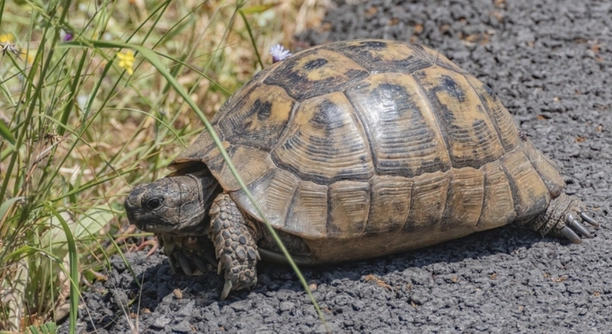
Taking care of a Greek tortoise requires attention to their unique needs. Whether you’re a new owner or looking to refine your care routine, the right tools are essential to ensure they live a healthy and happy life.
Caring for a Greek tortoise involves providing the right environment, nutrition, and medical care. Essential tools for their care include proper housing, UVB lighting, humidity control, a balanced diet, and safe handling accessories to promote health and longevity.
From setting up their habitat to maintaining their diet, the right tools make a big difference in the well-being of your tortoise.
Proper Housing for Greek Tortoises
When it comes to Greek tortoises, their habitat is one of the most crucial aspects of care. A well-constructed enclosure should mimic their natural environment as closely as possible. They need plenty of space to roam, with a substrate that allows them to dig and burrow, which is essential for their well-being. Using a mixture of soil, sand, and coconut coir provides the best conditions for digging. Make sure the enclosure has a temperature gradient, with one side being warmer and the other cooler, allowing your tortoise to regulate its body temperature.
A secure enclosure prevents escape and keeps predators out. Make sure the walls are tall enough and buried to prevent digging out. Additionally, ensure the enclosure is easy to clean and has a water dish large enough for your tortoise to soak in.
Having the proper habitat ensures your tortoise feels safe and comfortable. Avoid overcrowding in the enclosure, as it can cause stress and unhealthy competition for space and food. Providing them with ample room for activity encourages physical health and reduces stress.
UVB Lighting and Heating
UVB lighting is a must-have tool for Greek tortoises. It helps them synthesize vitamin D3, which is essential for proper calcium absorption. Without UVB light, your tortoise could develop metabolic bone disease, a serious and often fatal condition.
UVB lights should be placed within the tortoise’s reach, ensuring it gets enough exposure to stay healthy. These lights need to be replaced every six months, as their effectiveness decreases over time. In addition to UVB, providing a heat source is vital for maintaining the right temperature in the enclosure. This will support proper digestion and activity levels. Keep in mind that the temperature needs to be regulated. Too hot or too cold can lead to health issues.
Substrate for Digging and Comfort
The substrate you choose for your Greek tortoise is essential for both comfort and health. It should allow them to dig, which is a natural behavior. A mix of soil, sand, and coconut coir works well to maintain a comfortable environment.
The substrate should be deep enough to allow your tortoise to burrow, as this helps them stay cool and secure. A depth of at least 4 to 6 inches is recommended. Avoid using materials like pine or cedar chips, as they can irritate the tortoise’s respiratory system. Keep the substrate clean and dry to prevent mold growth.
Having a proper substrate will also prevent boredom, as digging helps stimulate their natural instincts. Regularly check the condition of the substrate to make sure it’s safe and hygienic for your tortoise. A well-maintained substrate will encourage natural behaviors and support overall health.
Diet and Nutrition
Providing a balanced diet is key to keeping your Greek tortoise healthy. They are herbivores, and their diet should primarily consist of leafy greens, grasses, and high-fiber vegetables. Avoid giving them fruit regularly, as it can cause digestive problems.
A varied diet ensures they get all the necessary nutrients. Dandelion greens, clover, and collard greens are some great options to include in their diet. Calcium is essential for healthy shell growth, so adding calcium supplements is important. Make sure to also provide fresh water daily for hydration and to support digestion.
Greek tortoises need a high-fiber diet to help with proper digestion. While feeding them, remember that they may be more sensitive to overfeeding, especially with high-calcium foods. Control portion sizes to prevent obesity, which can lead to other health problems down the line.
Humidity Control
Maintaining proper humidity is important for your Greek tortoise’s health. A dry environment can lead to dehydration and difficulty shedding their skin. Aim for a humidity level of around 40-60%.
You can easily manage humidity by misting the enclosure or using a humidifier. If humidity levels drop too low, consider adding a shallow water dish to increase moisture. Be mindful not to overdo it, as too much humidity can cause fungal infections.
Safe Handling Tools
Safe handling tools are essential to avoid stressing your tortoise. A gentle grip or using a towel to support them while picking them up can help.
Using safe tools ensures that you can handle your tortoise without causing any injury. Avoid gripping them by the shell or using force, as it can lead to physical damage. Proper handling also minimizes the risk of stress, allowing for a more comfortable experience.
Regular Health Checks
Regular health checks are vital for your Greek tortoise’s long-term well-being. Look for signs of respiratory issues, shell problems, or changes in behavior.
A simple check of their eyes, nostrils, and skin can often reveal potential health problems. If your tortoise isn’t eating well or seems sluggish, it may be a sign of an underlying issue. Catching problems early can prevent major health complications down the road.
FAQ
What is the best temperature for a Greek tortoise?
Greek tortoises need a temperature gradient in their enclosure. The basking area should be around 95°F, while the cooler side can range from 75°F to 85°F. This allows the tortoise to regulate its body temperature and stay healthy. Make sure the temperature doesn’t drop below 70°F at night. If it does, consider using a heat source like a ceramic heat emitter to maintain warmth.
Can Greek tortoises live outside year-round?
Greek tortoises can live outside year-round in regions with warm climates. If you live in an area where temperatures stay consistently above 70°F, you can set up a safe, outdoor enclosure. However, if you live in a colder climate, it’s best to bring them indoors during winter months to protect them from extreme cold.
How often should I feed my Greek tortoise?
Greek tortoises should be fed daily, but their diet should be controlled to avoid overfeeding. Offer a variety of leafy greens and vegetables each day, ensuring they receive proper nutrients. Make sure to remove uneaten food after a few hours to keep the habitat clean. Fresh water should always be available.
Do Greek tortoises need UVB lighting?
Yes, Greek tortoises need UVB lighting to help them synthesize vitamin D3, which is essential for calcium absorption. Without UVB light, they can develop metabolic bone disease, which is dangerous. Replace UVB bulbs every 6 months to ensure they’re effective.
How long do Greek tortoises live?
Greek tortoises can live anywhere from 50 to 80 years, sometimes even longer with proper care. They require a consistent, well-maintained environment and a healthy diet to live a long life. Regular check-ups and attention to their habitat will contribute to their longevity.
Can Greek tortoises eat fruit?
Greek tortoises should avoid eating too much fruit. While small amounts can be given occasionally, it’s not a major part of their diet. Fruit contains high sugar content, which can lead to digestive issues and obesity. Stick to leafy greens, grasses, and fibrous vegetables for the majority of their diet.
Do Greek tortoises need a companion?
No, Greek tortoises do not require a companion. In fact, they can be territorial, especially during breeding seasons. If you decide to house more than one tortoise, make sure the enclosure is large enough to accommodate them without causing stress or competition for space and food.
How do I know if my Greek tortoise is healthy?
A healthy Greek tortoise will have clear, bright eyes, a smooth and clean shell, and active behavior. Check for signs of any unusual discharge from the eyes or nose, as well as changes in appetite or movement. If your tortoise seems lethargic, isn’t eating, or has visible cracks in its shell, it’s time for a vet visit.
What kind of substrate is best for a Greek tortoise?
The best substrate for Greek tortoises is a mixture of soil, sand, and coconut coir. This provides an ideal surface for digging, which is a natural behavior for them. The substrate should be deep enough for burrowing, around 4 to 6 inches. Avoid using pine or cedar shavings as they can irritate your tortoise’s respiratory system.
How do I clean my Greek tortoise’s enclosure?
Cleaning your tortoise’s enclosure regularly is important for their health. Remove any uneaten food daily and spot clean the substrate to remove waste. Every couple of weeks, you should do a deeper clean by replacing the substrate and disinfecting the entire enclosure with a safe, non-toxic cleaner. Be sure to rinse and dry everything thoroughly.
Can I let my Greek tortoise roam outside?
Yes, you can let your Greek tortoise roam outside, but only when the weather is warm and safe. Ensure the area is secure, with no escape routes or predators. Avoid letting them roam in areas with pesticides or chemicals that could harm them. Always supervise them to keep them safe.
How often should I give my Greek tortoise a bath?
It’s important to offer your Greek tortoise a bath once or twice a week to help with hydration and shell health. Fill a shallow dish with lukewarm water and allow your tortoise to soak for 15 to 30 minutes. This also helps them pass waste more easily.
What kind of food can I give my Greek tortoise?
Greek tortoises thrive on a variety of leafy greens, grasses, and vegetables. Good options include dandelion greens, clover, collard greens, kale, and hibiscus flowers. Avoid feeding them high-oxalate vegetables like spinach, as well as dairy, meat, or processed foods. Fresh grass is also a great addition to their diet.
How can I tell if my Greek tortoise is dehydrated?
Signs of dehydration in Greek tortoises include sunken eyes, dry or wrinkled skin, and lack of appetite. You may also notice that the tortoise is not drinking water as usual or is lethargic. Make sure they have constant access to fresh water, and offer regular baths to prevent dehydration.
What should I do if my Greek tortoise is not eating?
If your Greek tortoise is not eating, check the temperature and humidity levels in its enclosure. Stress or environmental changes can cause loss of appetite. If the conditions are good and your tortoise is still not eating, it may have a health issue that requires attention from a veterinarian.
Are there any common health issues for Greek tortoises?
Common health problems for Greek tortoises include metabolic bone disease (from lack of UVB light), respiratory infections (from improper temperature or humidity), and shell rot (from damp, dirty conditions). Regular health checks and maintaining a clean, stable environment can help prevent these issues.
Taking care of a Greek tortoise can be a rewarding experience, but it requires dedication and attention to detail. These tortoises have specific needs when it comes to their environment, diet, and health. By ensuring they have the right habitat with proper lighting, humidity, and temperature, you’re providing them with the foundation for a long, healthy life. A secure enclosure, with space to move and dig, is essential to their well-being. Regularly checking on the condition of their enclosure and replacing any worn-out elements will help maintain a safe space for them to thrive.
Feeding your Greek tortoise a varied, balanced diet is just as important. Offering a range of leafy greens, grasses, and other appropriate vegetables provides the nutrients they need. Avoid feeding them too much fruit, as it can lead to health problems. Don’t forget the importance of fresh water for hydration. A well-fed tortoise is a healthy tortoise, and keeping their diet balanced will help prevent issues like obesity or metabolic bone disease. Adding supplements like calcium can also help ensure strong shell growth and overall health.
Monitoring their health is another key factor in tortoise care. Regular checkups for any signs of illness or injury can prevent bigger problems from developing. If you notice changes in their behavior, appetite, or appearance, it’s important to address these issues quickly. Routine baths and keeping their living space clean will help reduce the risk of infections. With consistent care and attention, your Greek tortoise can live a long, happy life, and in return, you’ll have the joy of watching them grow and thrive over the years.

Hello,
If you enjoy the content that we create, please consider saying a "Thank You!" by leaving a tip.
Every little bit helps us continue crafting quality advice that supports the health, happiness, and well-being of pets around the world, for pets of all shapes, sizes, and species.
We really appreciate the kindness and support that you show us!