
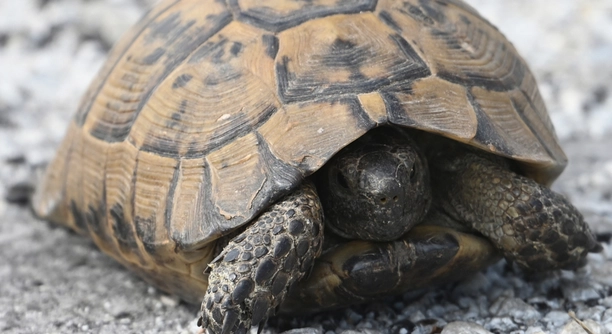
Cleaning a Greek tortoise tank is an essential part of maintaining a healthy environment for your pet. Regular tank maintenance ensures your tortoise stays happy and active. Understanding the proper cleaning techniques can make this task easier.
To clean a Greek tortoise tank effectively, start by removing all waste and uneaten food. Disinfect the surfaces with a safe reptile cleaner, rinse thoroughly, and replace the substrate. Ensure proper ventilation and cleanliness for optimal health.
Keeping your tortoise’s habitat clean is crucial for their well-being. Understanding these steps will ensure a healthier, more comfortable living space for your pet.
Gather the Right Supplies
Before you start, gather all the necessary cleaning supplies. This includes a safe reptile disinfectant, a sponge or scrub brush, a bucket of warm water, and gloves. Make sure your cleaning tools are dedicated only to your tortoise’s habitat to prevent contamination from other animals or surfaces.
Cleaning your tortoise’s tank is easier when you have everything ready. By organizing your supplies ahead of time, you can save time and ensure a thorough clean.
With the right cleaning materials at hand, you are ready to begin. Cleaning your tortoise’s tank regularly will help prevent any buildup of harmful bacteria or mold. A quick clean every week will make deep cleans easier to manage.
Remove the Old Substrate
Remove the old substrate from the tank and discard it. Avoid using any chemical cleaners during this process. If the substrate is reusable, rinse it thoroughly with warm water to remove dirt.
Substrate serves as the foundation for your tortoise’s habitat, so it’s essential to replace or clean it regularly. A clean substrate helps maintain proper humidity levels and prevents the growth of mold or parasites.
A clean tank is important not only for your pet’s health but for your own peace of mind. Your tortoise’s habitat should be comfortable, dry, and free of any buildup. The proper maintenance ensures the space stays fresh and hygienic, allowing your tortoise to thrive.
Clean the Tank Surfaces
Use a reptile-safe disinfectant to wipe down the sides of the tank. Avoid harsh chemicals that could harm your tortoise. Use a sponge or cloth to gently scrub away any dirt or algae buildup.
Cleaning the tank surfaces is crucial to eliminate any bacteria or algae growth. Pay close attention to corners, as they can harbor grime. Ensure that the disinfectant you use is safe for reptiles. After cleaning, rinse thoroughly with warm water to remove any cleaner residue.
Once the surfaces are cleaned and dried, it’s important to inspect the tank for any cracks or damage. Keeping the tank in good condition prevents any unwanted leaks or escapes. Regularly check for wear and tear to ensure your tortoise’s environment remains secure and safe.
Replace the Water Dish
Empty the water dish and clean it thoroughly. Use warm water and a sponge to remove any residue. This will ensure your tortoise always has access to fresh water.
A clean water dish is essential for your tortoise’s health. Bacteria can quickly grow in standing water, making it vital to replace and clean it regularly. Wash the dish with warm water and make sure it is completely dry before refilling. Avoid using soap, as it could leave harmful residues.
When refilling the dish, ensure the water is the right temperature. Your tortoise will drink more readily from water that’s neither too cold nor too hot. Regularly refreshing the water will help keep your tortoise hydrated and prevent any waterborne illnesses.
Clean the Decor and Accessories
Take out any decorations, rocks, or hides and clean them with warm water. Use a sponge to scrub away any dirt. If needed, disinfect the items using a safe reptile cleaner.
These items can easily collect waste, algae, or bacteria, so it’s important to clean them regularly. Ensure they are completely dry before placing them back in the tank. Keeping decor clean helps maintain a healthy environment.
Check the Lighting and Heating
Ensure the lights and heating elements are working properly. Test the bulbs and heat sources to verify they are providing the correct temperature for your tortoise’s habitat.
A proper temperature gradient is necessary for your tortoise’s health. Overheating or inadequate heating can stress your tortoise and affect its digestion and activity levels. Regularly check that the heat source is functioning and adjust as needed.
FAQ
How often should I clean my Greek tortoise tank?
It’s recommended to do a light cleaning once a week, which includes removing waste, uneaten food, and cleaning the water dish. A deep clean, where you replace the substrate and disinfect all surfaces, should be done every 3 to 4 weeks.
Can I use regular household cleaners to clean my tortoise’s tank?
No, avoid using household cleaners like bleach or ammonia. These chemicals can harm your tortoise. Always use reptile-safe disinfectants or warm water. A sponge or brush can help scrub away dirt without the need for harsh chemicals.
What substrate is best for a Greek tortoise tank?
Coconut coir, aspen shavings, or soil are popular substrates for Greek tortoises. These substrates are absorbent, help control humidity, and are safe for your tortoise. Avoid sand or gravel, as they can cause digestive issues if ingested.
How do I know if my tortoise tank is clean enough?
A clean tank should have no visible waste, old food, or mold. The surfaces should be free from dirt or algae buildup. The substrate should be dry and free from odors. If you detect any foul smell, it may indicate that a deeper cleaning is needed.
Should I change the substrate each time I clean the tank?
No, you don’t need to replace the entire substrate every time. Remove the waste and any soiled parts of the substrate, and replace them as needed. This helps maintain a clean environment while avoiding the cost of replacing everything frequently.
Can I use a UVB light to help clean the tank?
UVB lights are essential for your tortoise’s health, but they won’t clean the tank. However, ensuring the UVB light is functioning well can help maintain your tortoise’s overall health, which will lead to less waste in the tank.
What should I do if I find mold in my tortoise’s tank?
If you spot mold, remove the affected substrate and disinfect the area immediately. Mold can cause respiratory issues in reptiles. Ensure that the tank has proper ventilation and is not too humid, as this can prevent mold from growing.
Can I clean my tortoise’s tank without taking my tortoise out?
It’s better to remove your tortoise during the cleaning process. This way, you can thoroughly clean the tank without stressing or accidentally disturbing your tortoise. You can put them in a safe area or a temporary enclosure while you clean.
How can I prevent my tortoise’s tank from smelling?
Regular cleaning, such as removing waste daily and replacing soiled substrate, will help prevent unpleasant odors. Ensure your tortoise’s habitat is dry, as excess moisture can contribute to smell. Keep the water dish clean and change the water frequently.
How do I disinfect my tortoise’s tank safely?
Use a reptile-safe disinfectant or a diluted solution of vinegar and water. After applying the disinfectant, scrub the tank surfaces thoroughly with a sponge or brush. Rinse the tank thoroughly with warm water to ensure no cleaner residue remains.
Can I reuse the substrate if it’s not too dirty?
Yes, you can reuse substrate if it’s still in good condition. Rinse it thoroughly with warm water and ensure it’s completely dry before putting it back in the tank. If the substrate shows signs of heavy contamination or odors, it’s best to replace it.
Should I clean my tortoise’s shell during the tank cleaning?
You don’t need to clean your tortoise’s shell during tank cleaning unless it’s visibly dirty. If cleaning is needed, gently wipe the shell with a damp cloth. Never use soap or harsh chemicals on your tortoise’s shell, as this can harm them.
What should I do if my tortoise is stressed during cleaning?
If your tortoise seems stressed during the cleaning process, make sure the area is quiet and calm. Try to keep the tank clean quickly, and place your tortoise back in their environment as soon as possible. It helps if they have a safe spot to hide during cleaning.
How can I avoid algae buildup in my tortoise’s tank?
Algae thrives in areas with excess moisture and light. Reduce the light exposure and ensure the tank has proper ventilation. Clean surfaces regularly to prevent algae from taking hold, and replace water often to avoid stagnation.
Is it okay to let my tortoise roam outside its tank?
Yes, you can allow your tortoise to roam outside its tank, but ensure it’s in a safe, secure area. Make sure the environment is free from predators, hazards, or any harmful substances. Always supervise your tortoise when outside of its tank.
Final Thoughts
Keeping your Greek tortoise’s tank clean is an essential part of ensuring its health and well-being. Regular cleaning prevents the buildup of waste, bacteria, and mold, all of which can negatively impact your tortoise’s environment. By establishing a consistent cleaning schedule, you can create a safe, comfortable space for your tortoise to thrive. Whether it’s wiping down surfaces, changing the water, or replacing the substrate, each step plays a significant role in maintaining the tank’s cleanliness. Taking the time to clean the tank regularly not only benefits your tortoise but also helps you maintain a pleasant and odor-free living environment.
Aside from regular cleaning, it’s important to keep an eye on the tank’s temperature, humidity, and lighting. Greek tortoises need a proper temperature gradient to stay healthy, and ensuring that the heat source and UVB light are functioning correctly is just as important as keeping the tank clean. A stable environment helps your tortoise digest food properly, stay active, and maintain its immune system. Without proper lighting or temperature, your tortoise could face health issues like dehydration or shell problems. Therefore, regular checks on the lighting, heating, and overall tank setup should be included in your cleaning routine.
Finally, always be mindful of your tortoise’s behavior and health. If you notice any changes, such as a decrease in appetite or unusual lethargy, it could be a sign that something in the environment needs adjusting. While tank cleaning is a necessary task, your tortoise’s health extends beyond just the cleanliness of its tank. Regularly inspect your tortoise’s shell, diet, and behavior to ensure it’s living in a safe, comfortable, and healthy environment.

Hello,
If you enjoy the content that we create, please consider saying a "Thank You!" by leaving a tip.
Every little bit helps us continue crafting quality advice that supports the health, happiness, and well-being of pets around the world, for pets of all shapes, sizes, and species.
We really appreciate the kindness and support that you show us!