
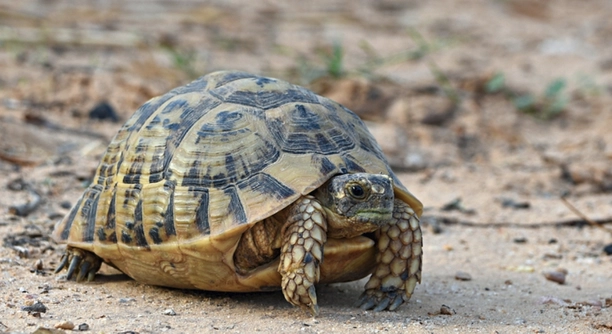
Greek tortoises are charming, slow-moving creatures that enjoy a diet of leafy greens and various vegetables. However, not all foods are suitable for them. In fact, some foods should only be offered in moderation to maintain their health and wellbeing.
Certain foods, though nutritious, can cause digestive issues or nutritional imbalances when consumed in excess. Offering a variety of foods in moderation helps ensure a balanced diet and prevents potential health complications for your Greek tortoise.
Understanding the right balance for your tortoise’s diet will help you keep them healthy and happy. Let’s explore which foods should be given sparingly to avoid any negative effects on their overall health.
High-Protein Foods
Greek tortoises are naturally herbivores and do not require a lot of protein in their diet. Too much protein can lead to kidney issues and other health problems. Some foods, like high-protein vegetables or meat, should be avoided or offered in very small amounts. For example, offering a high-protein food, such as beans or lentils, can be harmful if it’s given frequently. A better option would be sticking to leafy greens and vegetables like kale or dandelion, which are not as protein-heavy. When feeding your tortoise, keep in mind that their diet should be plant-based, with minimal amounts of protein.
Protein should only make up a small portion of your tortoise’s diet. Overfeeding protein-rich foods could cause harm over time.
It’s essential to focus on providing your tortoise with a variety of vegetables that mimic its natural diet. Leafy greens like lettuce and collard greens are ideal. These greens are high in fiber, which helps with digestion, and they have low protein content. High-protein foods can lead to issues like shell deformities or organ damage. Ensure that high-protein foods are kept to an occasional treat and not a regular part of their diet. This helps keep your tortoise’s system running smoothly and avoids the risks of feeding them too much protein.
Fruits and Sweet Vegetables
While fruits and sweet vegetables like carrots and peppers are nutritious, they should be given in moderation. Overfeeding them can lead to an imbalance in your tortoise’s diet. High sugar content in some fruits may cause digestive issues or even weight gain, leading to health problems down the road.
Moderation is key when feeding fruits or sweet vegetables. They are not harmful but should be a rare treat.
The sugar in fruits can disrupt the natural balance of your tortoise’s gut. This can also lead to unhealthy spikes in blood sugar. Vegetables like carrots, although healthy, are high in sugar and should be limited. Too many sugary foods can also create an environment for harmful bacteria. If you give fruits like strawberries or melon, do so sparingly to avoid any digestive issues. A balanced diet with a focus on leafy greens, hay, and safe vegetables ensures that your tortoise stays healthy without the risks of excess sugar.
High-Fat Foods
Greek tortoises are not accustomed to high-fat diets. Too much fat can lead to obesity and other health issues. Foods like avocados or nuts should only be given in small amounts, if at all. Even though they are natural sources of healthy fats, they are not part of a tortoise’s regular diet and should be treated as rare treats.
Feeding your tortoise high-fat foods can lead to an unhealthy weight gain. This can put stress on their organs and joints. It’s best to stick to low-fat plant-based foods, ensuring your tortoise stays fit and active.
Some fat sources are better than others, but they should still be limited. For instance, while avocado is often considered healthy for humans, it contains fat and should be given sparingly, if at all. Too much fat in their diet can result in metabolic issues, such as kidney problems. Instead of fatty treats, focus on a wide variety of fiber-rich vegetables to keep your tortoise’s weight in check. If you decide to offer fats occasionally, ensure it’s in a controlled, minimal portion, maintaining a balance in their overall diet.
Dairy Products
Dairy products should never be fed to Greek tortoises. Unlike humans, they lack the ability to digest lactose properly, and consuming dairy can lead to digestive issues, such as bloating or diarrhea. Even small amounts could cause problems, so it’s best to avoid them completely.
Dairy can cause significant stomach upset in tortoises. It can lead to dehydration, digestive discomfort, and more severe health complications if consumed over time.
Dairy products like milk, cheese, and yogurt may be harmless to humans, but for Greek tortoises, they can be a serious issue. Their digestive system isn’t equipped to break down lactose, so offering dairy could cause gastrointestinal distress. A healthy diet should consist only of plant-based foods, including a variety of leafy greens, flowers, and vegetables. If you’re unsure about certain foods, always check before offering them to ensure your tortoise is eating something that supports its well-being. Stick to simple, natural ingredients to avoid unnecessary risks.
Processed Foods
Processed foods, such as chips or packaged snacks, are unsuitable for Greek tortoises. They contain artificial additives, preservatives, and excess salt, which can harm their digestive system and overall health. These foods are not natural, and offering them regularly can lead to long-term issues.
Processed foods should be avoided in a tortoise’s diet. They disrupt the natural balance of healthy eating.
The inclusion of processed foods can lead to imbalanced nutrition, poor digestion, and even organ stress in tortoises. Their bodies are not equipped to handle chemicals and preservatives. Instead, focus on fresh, natural foods like leafy greens and vegetables to keep your tortoise thriving. A simple, clean diet is best for them.
Nightshades
Nightshades, such as tomatoes, peppers, and potatoes, should be fed to Greek tortoises in moderation. These vegetables can cause digestive upset or discomfort if given frequently. They contain compounds that can be toxic or irritate the stomach.
Limit the amount of nightshades offered to your tortoise. They can cause discomfort when overfed.
Nightshades are not toxic in small amounts, but they should not be a large part of your tortoise’s diet. They contain solanine, a compound that can cause gastrointestinal issues in some reptiles. Stick to safer options like leafy greens or grasses for their primary food source. Use nightshades as a rare treat to avoid any potential negative effects.
FAQ
Can Greek tortoises eat fruit?
Yes, Greek tortoises can eat fruit, but it should be offered in moderation. Fruits contain high levels of sugar, which can upset their digestive system if consumed in large quantities. Stick to occasional treats, such as small pieces of apple, strawberries, or melon. Always remove any seeds or pits, as these can be harmful.
What vegetables can Greek tortoises eat daily?
Leafy greens like dandelion greens, collard greens, and romaine lettuce are great choices for daily feeding. You can also include vegetables like zucchini, cucumber, and bell peppers. These provide essential nutrients without overloading the tortoise with sugars or protein. Always ensure that the vegetables are fresh and free from pesticides.
Are there any foods Greek tortoises should avoid completely?
Yes, Greek tortoises should avoid high-protein foods, dairy products, and processed foods. High-protein foods, such as beans, lentils, or meat, can lead to kidney issues. Dairy products, such as cheese or milk, can cause digestive problems. Processed foods with artificial additives or excessive salt should also be avoided, as they can harm your tortoise’s health.
How often should I feed my Greek tortoise?
Greek tortoises typically need to be fed once a day. As they are herbivores, their diet should focus on fresh greens and vegetables. You can offer a mix of different foods daily, but make sure to keep portions in line with their size. Avoid overfeeding, as this can lead to weight gain and health problems.
Can Greek tortoises eat flowers?
Yes, Greek tortoises can eat some edible flowers, and they enjoy them. Flowers like hibiscus, dandelions, and pansies are safe options. They can also nibble on clover or marigold petals. However, ensure that the flowers haven’t been sprayed with pesticides. It’s important to research specific flowers before offering them, as not all are safe.
Is it safe to feed Greek tortoises tomatoes?
Tomatoes can be fed to Greek tortoises in small amounts, but only the flesh should be given, avoiding the leaves, stems, and seeds. Tomatoes contain high levels of acid and can upset your tortoise’s digestive system if fed too often. Use tomatoes as an occasional treat rather than a regular food option.
Can Greek tortoises eat spinach?
Spinach should be offered to Greek tortoises sparingly. While spinach contains beneficial nutrients, it also has high levels of oxalates, which can interfere with calcium absorption and potentially lead to kidney issues if consumed too frequently. It’s better to include spinach as part of a varied diet, rather than a staple food.
What is the best diet for a Greek tortoise?
The best diet for a Greek tortoise consists mainly of leafy greens, grasses, and some safe vegetables. Foods like dandelion greens, clover, collard greens, and romaine lettuce are excellent choices. Fresh, fibrous plants replicate their natural diet and provide the necessary nutrients. It’s essential to avoid processed foods, high-protein items, and sugary fruits.
How can I tell if my Greek tortoise is overweight?
An overweight Greek tortoise may have a bloated or rounded appearance, especially around the shell. If you notice that your tortoise has difficulty moving or lacks activity, it could be a sign of excess weight. Regularly weigh your tortoise and ensure that it is eating the right amount of food. Consult a veterinarian if you’re concerned about its health.
Can Greek tortoises eat cucumbers?
Yes, cucumbers are safe for Greek tortoises and can be offered occasionally. They are mostly water and low in calories, making them a refreshing and hydrating snack. However, cucumbers should not be a regular part of their diet, as they don’t provide much nutritional value. Stick to more nutrient-rich vegetables for their daily meals.
Can Greek tortoises eat lettuce?
Yes, Greek tortoises can eat lettuce, but not all types are equally beneficial. Avoid iceberg lettuce, as it offers little nutritional value and is mostly water. Instead, opt for darker leafy lettuces like romaine or butterhead. Lettuce should be part of a varied diet to ensure your tortoise gets a full range of nutrients.
Are there any foods I should never feed my Greek tortoise?
Never feed your Greek tortoise processed foods, dairy, or high-protein items. Also, avoid feeding them foods with high oxalate content, such as rhubarb or certain leafy greens. Garlic and onions are toxic to tortoises and should never be included in their diet. Stick to fresh, natural foods to keep your tortoise healthy.
Can Greek tortoises eat carrots?
Carrots can be fed to Greek tortoises in moderation. They are high in sugar, so giving them too often could cause digestive issues or weight gain. Carrots should be cut into small pieces and can be given as a treat occasionally. Always balance carrot intake with fiber-rich foods like grasses and leafy greens.
Feeding your Greek tortoise the right foods is crucial for its health and longevity. While they enjoy a variety of greens and vegetables, it’s important to avoid feeding them foods that are too high in protein, sugar, or fat. A well-balanced diet helps prevent health issues such as obesity, kidney problems, and digestive issues. By sticking to safe, natural foods and offering them in moderation, you’ll support your tortoise’s overall well-being. Over time, this balanced diet will help your tortoise thrive, ensuring a longer, happier life.
It’s also important to monitor your tortoise’s diet and observe any signs of discomfort or health changes. If you notice your tortoise becoming sluggish or showing signs of weight gain, consider adjusting the portion sizes or the types of food you are offering. Regular visits to a reptile vet can also help ensure your tortoise stays on track with its diet and overall health. Being mindful of the foods that are safe and those to avoid will allow you to make informed decisions, ensuring that your tortoise remains active and healthy.
Ultimately, providing a varied and nutritious diet is one of the best ways to care for your Greek tortoise. With the right balance of leafy greens, safe vegetables, and occasional treats, your tortoise will enjoy the food it loves while staying healthy. Always make sure to research any new foods before introducing them, and remember that moderation is key. By following these guidelines, you’ll be able to offer your tortoise the best possible care and nutrition.

Hello,
If you enjoy the content that we create, please consider saying a "Thank You!" by leaving a tip.
Every little bit helps us continue crafting quality advice that supports the health, happiness, and well-being of pets around the world, for pets of all shapes, sizes, and species.
We really appreciate the kindness and support that you show us!