
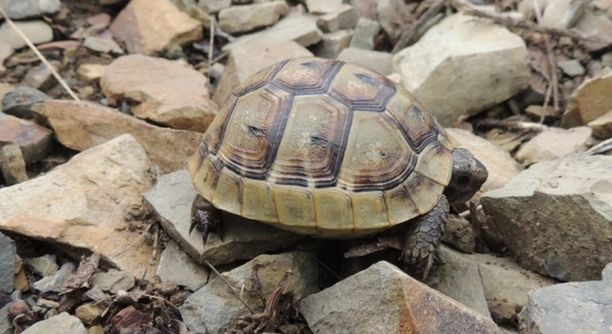
It can be concerning when your Greek tortoise starts walking in circles. This behavior can be puzzling, and it may seem like something is wrong. However, there are various reasons why this happens.
Walking in circles is a common behavior in Greek tortoises. It can be caused by stress, health issues, or environmental factors like habitat conditions. Identifying the cause is essential for ensuring your tortoise’s well-being and addressing any underlying concerns.
Understanding the potential reasons behind your tortoise’s behavior will help you provide a better environment for it. There are a few things to keep in mind to keep your tortoise happy and healthy.
Stress and Anxiety
Your Greek tortoise may start walking in circles if it feels stressed or anxious. A new environment, loud noises, or even the presence of other animals can trigger this behavior. Tortoises are creatures of habit, and changes in their surroundings can make them feel uneasy. If you’ve recently moved your tortoise to a new tank, or if there have been changes in the house, it could be the cause. Even small shifts in their routine can cause them to walk around repetitively.
If the tortoise continues to show signs of distress, like excessive circling or hiding, consider giving it some quiet time in a familiar space. Reducing unnecessary noise and distractions can help your pet relax. Reassess the habitat and ensure it meets its needs. A calm, quiet area may reduce stress.
Keeping your tortoise comfortable in its space is key to preventing stress-related behaviors. Make sure the enclosure has everything it needs: proper lighting, heat, and a safe environment. If the stress persists, try to determine any recent changes to its surroundings. Over time, your tortoise should adjust and feel more secure.
Health Issues
If your tortoise is walking in circles, it may be dealing with health problems. Infections, parasites, or even neurological conditions can cause this behavior. If the circling becomes excessive or is paired with other symptoms like lethargy or loss of appetite, it’s crucial to consult a vet. Sometimes, illnesses affect the brain or nervous system, leading to unusual movements.
These health problems can be difficult to spot, so regular check-ups are essential. Tortoises may not always show obvious signs of illness until it’s more serious. If you’re worried, getting an early diagnosis could help prevent the issue from worsening.
Lack of Space
If your Greek tortoise doesn’t have enough space in its enclosure, it might begin walking in circles. Tortoises need room to roam and explore. If the habitat is too small or overcrowded, your tortoise may feel trapped and start pacing. A cramped space can lead to stress and unhealthy behaviors.
Providing a larger enclosure gives your tortoise room to move, exercise, and feel secure. The more space it has, the less likely it will feel the need to walk in repetitive circles. Ensure that the space includes areas for hiding, climbing, and basking, which help reduce stress.
A larger, more enriching environment will help improve your tortoise’s overall health. A spacious habitat can also prevent unwanted behaviors by allowing your pet to behave naturally. Pay attention to the enclosure’s size and make sure it suits the needs of your tortoise. Proper space ensures they feel comfortable and safe.
Temperature Issues
Temperature problems can cause your tortoise to act strangely, including walking in circles. Greek tortoises thrive in specific temperature ranges, and if it gets too hot or too cold, they may try to escape or exhibit repetitive behaviors. Make sure the enclosure maintains the right temperature, between 75 and 85°F.
Inadequate heating can make your tortoise feel uncomfortable, leading to abnormal behavior like constant walking. On the other hand, extreme heat can cause overheating, which may also result in unusual movements. It’s essential to provide both a warm basking spot and a cooler area to help regulate its body temperature.
Monitor your tortoise’s enclosure carefully, and make adjustments as needed to ensure a consistent temperature. Invest in reliable thermometers and heat lamps, and avoid placing the enclosure in areas with drafts or direct sunlight. Proper temperature control is crucial for your tortoise’s health and behavior.
Boredom
Boredom is another common reason your Greek tortoise might start walking in circles. Tortoises need mental stimulation and regular activities to keep them engaged. Without enough things to do, they may resort to repetitive behaviors like circling, trying to entertain themselves.
Providing variety in your tortoise’s environment can prevent boredom. Adding new textures, plants, or hiding spots can help keep your pet curious and active. You can also introduce safe objects to explore, ensuring that the environment stays stimulating and fresh.
A well-rounded habitat with enriching items will keep your tortoise happier and healthier, reducing behaviors like circling.
Improper Diet
An improper diet can affect your tortoise’s overall health and cause strange behavior. If your tortoise isn’t getting enough nutrients, it may become lethargic, restless, or display signs of distress like walking in circles. A balanced diet with the right mix of greens and occasional protein is crucial.
Check to see if your tortoise is eating a variety of appropriate foods. Insufficient calcium, for example, can lead to neurological issues that cause abnormal movement. Ensure you’re offering the right foods and supplements to support your tortoise’s growth and well-being.
Dehydration
Dehydration is a serious issue that can lead to abnormal behaviors like walking in circles. If your tortoise isn’t getting enough water, it may become confused or stressed, leading to strange movements. Make sure fresh water is always available and accessible for your tortoise.
If dehydration is suspected, immediately offer water in a shallow dish. You can also soak your tortoise in lukewarm water for 20 minutes to help rehydrate. It’s important to maintain proper hydration levels for your tortoise’s health.
FAQ
Why does my Greek tortoise walk in circles at night?
Greek tortoises are most active during the day but can display some nighttime activity. Walking in circles at night could be a sign of restlessness due to an uncomfortable environment or a lack of stimulation. If your tortoise is active at night, check the temperature in its habitat to ensure it’s comfortable. Also, consider providing more enrichment during the day to help tire it out, so it feels more relaxed at night.
How do I know if my tortoise is stressed?
Signs of stress in a Greek tortoise include constant pacing, hiding more than usual, refusal to eat, and walking in circles. If your tortoise is showing any of these behaviors, it’s important to check its environment for any changes or stressors. Ensure the enclosure is quiet, comfortable, and free from external disturbances. Stress can also result from poor diet or health issues, so keep an eye on its eating habits and overall behavior.
Can my tortoise get dizzy from walking in circles?
While it might seem like your tortoise is dizzy, it’s unlikely to experience dizziness in the way humans do. However, excessive circling could be a sign that something’s off with your tortoise’s health or environment. Neurological issues or an underlying health condition could be causing the behavior. If the circling becomes persistent or is accompanied by other abnormal behaviors, it’s best to consult a vet for further evaluation.
Is circling a sign of a neurological problem?
Yes, circling can be a sign of a neurological problem in your tortoise, especially if it happens frequently and in the absence of other obvious causes like stress or boredom. Neurological issues in reptiles can stem from infections, metabolic bone disease, or trauma. If you suspect a neurological issue, a vet visit is necessary for diagnosis and treatment. The sooner you address it, the better chance your tortoise has for recovery.
What can I do to stop my tortoise from walking in circles?
First, examine the habitat to ensure your tortoise’s environment is optimal in terms of space, temperature, and humidity. A lack of space or improper conditions can cause stress or discomfort, leading to circling. Secondly, make sure your tortoise is eating a balanced diet and getting enough hydration. If the behavior continues, consider providing more enrichment like hiding spots, rocks, or new things to explore. If none of these work, check with a vet to rule out health issues.
Can a Greek tortoise live with other tortoises?
Greek tortoises can live with others, but it depends on their individual temperament. Some tortoises are more territorial and may exhibit stress or aggressive behavior if housed with others. If you’re considering having multiple tortoises, ensure each one has enough space and that their personalities are compatible. Monitor their interactions, especially during feeding time, to avoid conflicts. It’s also a good idea to have separate hiding spots and basking areas for each tortoise.
Can my tortoise be bored in its enclosure?
Yes, boredom is a common cause of repetitive behaviors like walking in circles. Greek tortoises are naturally curious, and if their environment lacks variety or stimulation, they may get bored. To keep your tortoise engaged, try rotating the items in its enclosure, such as adding new plants or rocks. You can also introduce safe toys or objects that your tortoise can explore. Providing a variety of textures and hiding places will keep your tortoise interested and reduce boredom-driven behaviors.
How often should I check my tortoise’s health?
It’s a good idea to regularly check your tortoise’s health by monitoring its eating habits, behavior, and physical appearance. If your tortoise is not eating or seems lethargic, it could be a sign of illness. An annual check-up with a reptile vet can help spot any underlying issues early. Regular health checks also ensure that your tortoise’s diet, habitat conditions, and overall well-being are being properly managed.
Can temperature affect my tortoise’s behavior?
Yes, temperature plays a critical role in your tortoise’s behavior. If the temperature in the enclosure is too high or too low, your tortoise may feel stressed or uncomfortable, leading to abnormal behaviors like circling. Greek tortoises need a warm basking area (around 90°F) and a cooler area (around 75°F) for optimal health. Ensure the temperature is stable and monitor it regularly to avoid any discomfort that could lead to strange movements.
What should I do if my tortoise is walking in circles for no apparent reason?
If your tortoise is walking in circles and you can’t identify any obvious reasons like stress, boredom, or environmental issues, it may be time to visit the vet. Circling can sometimes be a sign of an underlying health problem, such as an infection or neurological condition. A vet can perform tests and help determine the cause of the behavior. Don’t wait too long, as early diagnosis is essential for treatment and recovery.
How much space does my Greek tortoise need?
Greek tortoises need plenty of space to roam. Ideally, their enclosure should be at least 4 feet long and 2 feet wide, though larger enclosures are always better. The more space your tortoise has, the less likely it is to feel stressed or resort to repetitive behaviors like circling. Make sure there is enough room for it to move freely, bask, and explore.
Can dehydration cause walking in circles?
Yes, dehydration can lead to strange behaviors like walking in circles. If your tortoise isn’t drinking enough water or isn’t properly hydrated, it may become disoriented or restless. To prevent dehydration, ensure there is always fresh water available in its enclosure. You can also soak your tortoise in lukewarm water for 20-30 minutes to help rehydrate it.
It’s important to remember that walking in circles is a common behavior in Greek tortoises, but it shouldn’t be ignored. While it may not always be a serious issue, circling can be a sign that something in your tortoise’s environment or health needs attention. It could be related to stress, boredom, or an improper habitat, so the first step is to ensure that its living conditions are suitable. A calm, spacious environment with the right temperature and plenty of enrichment can help reduce these behaviors.
If adjusting the habitat and offering more stimulation doesn’t work, it’s time to consider health-related issues. Tortoises can experience neurological problems, infections, or even dehydration, all of which can cause them to walk in circles. Make sure your tortoise is eating a well-balanced diet, staying hydrated, and getting enough calcium and other essential nutrients. Regularly checking its health is crucial, as early detection of issues like metabolic bone disease or parasites can prevent further complications.
In any case, it’s always a good idea to consult with a vet if the circling persists or seems to be getting worse. A professional can help identify any underlying health conditions that might be contributing to the behavior. By keeping a close eye on your tortoise’s habits, making sure its habitat is comfortable, and offering the proper diet, you can ensure it remains healthy and happy. Addressing circling early will improve its overall quality of life and help prevent more serious issues down the road.

Hello,
If you enjoy the content that we create, please consider saying a "Thank You!" by leaving a tip.
Every little bit helps us continue crafting quality advice that supports the health, happiness, and well-being of pets around the world, for pets of all shapes, sizes, and species.
We really appreciate the kindness and support that you show us!