
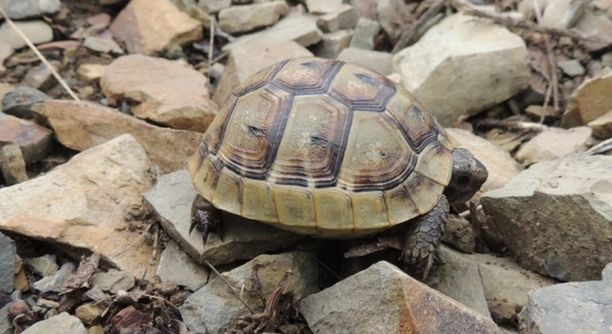
Greek tortoises are calm creatures, but they can still experience stress. Understanding the signs of stress in your pet is essential for ensuring they live a happy, healthy life. Here are the key signs to watch for.
Stress in Greek tortoises often manifests in behaviors such as changes in activity level, eating habits, or even physical health. It’s crucial to monitor these indicators and adjust their environment to reduce stress and promote their well-being.
Recognizing stress early can help you create a better environment for your pet. Learn what changes might be happening and how to make things better for your tortoise.
Changes in Eating Habits
A stressed Greek tortoise may stop eating or eat much less than usual. A decrease in appetite could be caused by sudden changes in its environment, like moving to a new home, or stress from overcrowding or unfamiliar surroundings. It’s important to observe whether the stressor is temporary or ongoing, as a lack of food can lead to malnutrition and other health problems. Stress-related loss of appetite can also be linked to poor diet, improper temperature, or humidity levels in their habitat.
If your tortoise isn’t eating, try to eliminate potential stress factors like noise, temperature shifts, or habitat disturbances. If the problem persists, you may need to adjust the setup or offer more variety in their food choices. Sometimes, offering different types of food, like dandelion greens or carrots, can entice them to eat. Additionally, check if your tortoise is hiding more than usual, as stress can also affect its desire to move or be active.
If these changes don’t improve its eating habits, a visit to the vet may be necessary. A vet can rule out other causes for the loss of appetite, including illnesses or parasites, ensuring your tortoise gets the proper care it needs.
Excessive Hiding
When stressed, a Greek tortoise may retreat to its hiding spots more often. This behavior might be a sign that your tortoise feels unsafe or uncomfortable. Stress could stem from environmental factors, like bright lighting or sudden noises.
Excessive hiding can indicate that your tortoise needs a quieter, more secure environment. Creating a proper, quiet space for it to retreat can help. Try reducing any disturbances and make sure it has access to a comfortable, dark hiding area where it can feel at ease.
Changes in Activity Level
A stressed Greek tortoise may show a noticeable decline in activity. If it’s usually active but becomes sluggish or spends most of its time hiding, stress could be the cause. Environmental factors, such as extreme temperatures or overcrowding, are often behind this change.
To improve the situation, you can try adjusting the temperature and lighting in its habitat. Greek tortoises prefer warm, dry environments with a basking spot to regulate their body temperature. If the environment is too cold or too hot, it can lead to inactivity. Ensure the temperature is in the right range to encourage movement and exploration.
Another reason for inactivity is lack of space. If the enclosure is too small, your tortoise may feel restricted and stressed. A larger, more open space allows it to roam and exercise, improving its physical health and stress levels. Regularly providing fresh bedding and enrichment items can also help boost activity.
Changes in Behavior
A stressed tortoise might exhibit sudden behavioral changes. For example, it could become more aggressive, trying to bite or ram into objects. These behaviors are often signs of frustration or feeling threatened by its environment.
If your tortoise starts acting out, check for anything in the habitat that might be causing stress. Too many people around, loud noises, or unfamiliar pets could be the issue. It’s essential to keep its environment as calm and quiet as possible. Regularly handling the tortoise with care can help build trust and reduce feelings of threat. Over time, it will become more comfortable with interactions and less likely to exhibit aggressive behavior.
Sometimes, behavioral changes may also be linked to poor lighting. Tortoises need a proper light cycle to regulate their behavior. If the lights are too dim or too harsh, your tortoise may act out. Adjusting the lighting to simulate a natural day and night cycle can help alleviate stress-related behavior.
Shell Flattening or Tucking
A stressed Greek tortoise may flatten or tuck its head and limbs into its shell more than usual. This defensive behavior can occur when it feels threatened or uncomfortable. If this happens often, it’s a sign that your tortoise may be under stress.
To reduce the stress, ensure that the habitat feels safe and secure. Avoid loud sounds and sudden movements near the tortoise. Also, check the temperature and humidity levels in the enclosure, as these can greatly affect how comfortable the tortoise feels in its space. Sometimes, the presence of other pets or animals nearby can make the tortoise feel anxious and cause it to withdraw.
Creating a peaceful environment with minimal disturbances will help your tortoise feel more at ease. A well-maintained habitat will encourage your tortoise to spend more time moving around and less time retreating into its shell.
Abnormal Breathing
Stressed tortoises might show signs of abnormal breathing, like wheezing, shallow breaths, or heavy panting. This could indicate that your tortoise is too hot, stressed, or possibly unwell. Breathing problems can arise from environmental or health factors.
Ensure the tortoise has access to fresh, clean air and the right temperature. It’s important to provide a proper basking spot with a temperature gradient, so your tortoise can regulate its body heat. If the problem persists, a visit to the vet is needed to rule out respiratory infections or other underlying health issues.
Excessive Dryness or Shell Issues
Stress can also lead to dry skin or shell problems in Greek tortoises. If you notice cracks, flaking, or changes in the shell texture, it’s important to check the humidity levels in the habitat. Proper humidity is essential for their shell health.
Keeping the enclosure humidity at the right level will help the tortoise maintain a healthy shell. Too dry of an environment can lead to dehydration and other health issues. Regular misting or placing a water dish in the enclosure can help, but it’s also crucial to make sure that the tortoise doesn’t stay too wet, as this can cause other problems.
FAQ
What are common causes of stress in Greek tortoises?
Stress in Greek tortoises can be caused by several factors. The most common ones include improper temperature or humidity, a lack of space, sudden changes in their environment, or handling them too much. Other pets, loud noises, and a crowded living area can also create anxiety. It’s important to create a stable, quiet environment for them to feel secure.
How can I reduce stress in my tortoise’s environment?
To reduce stress, you should first ensure that the temperature and humidity in the tortoise’s habitat are at appropriate levels. Greek tortoises need a warm basking spot of around 90°F (32°C) and cooler areas for burrowing. Providing plenty of space to roam and hiding spots where they can retreat will help them feel safe. Also, minimize loud noises and avoid frequent handling, especially if your tortoise is not used to being touched.
Can stress affect my tortoise’s health?
Yes, prolonged stress can negatively affect your tortoise’s health. Stress can lead to a lack of appetite, inactivity, and behavioral changes, which can cause weight loss and weakened immune systems. Over time, stress can make your tortoise more vulnerable to illness. It’s crucial to identify and address stress factors early to prevent these health problems.
How do I know if my tortoise is stressed?
Signs of stress in a Greek tortoise can include changes in eating habits, hiding more than usual, abnormal breathing, and shell problems. If your tortoise starts exhibiting aggressive behavior, becomes lethargic, or refuses food, these may be indicators of stress. Monitoring its behavior closely and making necessary adjustments to its environment can help you spot stress early.
Can I calm my stressed tortoise down with food or treats?
Offering food or treats might not immediately calm a stressed tortoise, but it can help create positive experiences when it feels safe. If your tortoise isn’t eating due to stress, providing its favorite foods, like leafy greens or edible flowers, might encourage it to eat. However, making its habitat peaceful and comfortable is the most important step.
Should I separate a stressed tortoise from other animals?
If your tortoise is stressed due to the presence of other animals, it might help to separate them. This can reduce anxiety and give your tortoise the space it needs to calm down. If you have other pets, such as dogs or cats, make sure your tortoise’s living area is out of reach and quiet.
What temperature and humidity levels should I maintain for my Greek tortoise?
Greek tortoises require a temperature gradient in their habitat. The basking area should be around 90°F (32°C), and the cooler end should be around 70°F (21°C). Humidity levels should be between 40% and 60%, as too much humidity can cause shell rot, while too little can lead to dehydration. You can maintain these conditions with a good heat source, UVB lighting, and a humidity monitor.
Is it normal for my tortoise to hide more often?
Yes, it’s normal for a tortoise to hide from time to time, especially when it feels threatened or needs rest. However, if your tortoise is hiding excessively and not coming out to eat or move around, it may be stressed. This could indicate that something in its environment is causing discomfort or fear. Make sure the habitat is calm, with plenty of hiding spots, and check that the temperature is appropriate.
How often should I handle my Greek tortoise?
Handling should be minimal, especially if your tortoise seems stressed or not used to human interaction. Handling too often can increase stress. If you do handle your tortoise, keep it brief and gentle, allowing it to feel secure. Over time, with consistent positive experiences, your tortoise may become more comfortable with handling.
Can stress cause my tortoise to stop eating?
Yes, stress can lead to a decrease in appetite or a refusal to eat altogether. When a tortoise is stressed, it may retreat into its shell, stop moving, and avoid food. It’s essential to address the stressors causing this behavior, such as temperature or environmental changes, to help your tortoise start eating again.
What should I do if my tortoise starts breathing heavily or wheezing?
Heavy breathing or wheezing may indicate respiratory distress, which could be caused by stress, a respiratory infection, or improper humidity and temperature levels. If your tortoise is showing signs of abnormal breathing, you should adjust its environment immediately and consult a veterinarian if the symptoms persist. A vet can check for respiratory infections or other health issues.
Can I keep multiple Greek tortoises together?
While Greek tortoises can sometimes live together, it’s essential to monitor their behavior. Some tortoises may become territorial or aggressive, which can lead to stress. If you decide to house more than one tortoise, make sure there’s enough space, separate basking spots, and plenty of hiding places to prevent conflict. Always observe their interactions closely.
Final Thoughts
It’s important to understand that Greek tortoises, like any pet, require a stable and comfortable environment to thrive. Stress can negatively impact their health, leading to a decrease in activity, changes in eating habits, and even behavioral issues. By recognizing the signs of stress early, you can make adjustments to their living conditions that will help them feel more at ease. Keeping their habitat clean, quiet, and secure is key to reducing stress and promoting overall well-being.
Temperature and humidity play a significant role in a tortoise’s comfort. A properly heated basking spot and a cooler area for resting allow them to regulate their body temperature and avoid stress from extreme conditions. Likewise, maintaining the right humidity levels ensures their skin and shell stay healthy. A balanced environment reduces the chance of stress-related issues, helping your tortoise remain active and healthy. Be sure to also provide enough space for your tortoise to roam, as a cramped living area can add unnecessary anxiety.
In the end, the most important thing is to be patient and observant. Stress can be managed with careful attention to their needs and a bit of effort in making their surroundings as comfortable as possible. If stress continues or if your tortoise shows concerning signs of illness, it’s always best to consult a veterinarian. By providing a calm, safe, and well-maintained environment, you’ll give your Greek tortoise the best chance at a long, healthy life.

Hello,
If you enjoy the content that we create, please consider saying a "Thank You!" by leaving a tip.
Every little bit helps us continue crafting quality advice that supports the health, happiness, and well-being of pets around the world, for pets of all shapes, sizes, and species.
We really appreciate the kindness and support that you show us!