
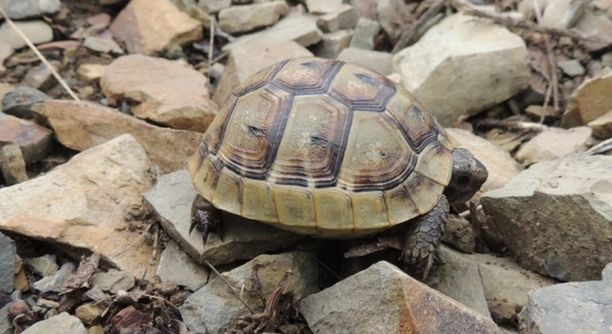
A Greek tortoise is a wonderful pet that requires a suitable environment to thrive. Setting up the right habitat can seem challenging, but it doesn’t have to be. With a few simple adjustments, your tortoise can live comfortably and happily.
The simplest way to improve your Greek tortoise’s habitat is by ensuring proper temperature, humidity, lighting, and space. Providing a clean, safe environment with the right substrate and hiding spots will keep your tortoise healthy and active.
Small changes can make a big difference in your tortoise’s well-being. From choosing the best lighting to providing appropriate outdoor space, these tips will help you create a habitat where your tortoise can flourish.
Provide Proper Lighting and Heating
Lighting and heating are two of the most important factors when setting up your Greek tortoise’s habitat. These tortoises are native to warm, sunny regions, so replicating their natural environment is essential. Use a high-quality UVB light to provide the necessary sunlight your tortoise needs for vitamin D3 production. Without it, they may develop metabolic bone disease.
The basking area should be kept at around 90-95°F, while the rest of the enclosure can be cooler at 75-80°F. This temperature variation helps your tortoise regulate its body temperature and remain healthy. Make sure to place the light source a safe distance above the basking spot to avoid burns.
It’s also crucial to monitor the humidity levels in the habitat. Greek tortoises are not used to very high humidity, so it’s best to maintain levels at 40-60%. This can be achieved by using a hygrometer to measure the moisture and adjusting the water sources accordingly. This will keep your tortoise comfortable and help them thrive.
Create a Comfortable Substrate
Choosing the right substrate for your tortoise is key to keeping the habitat clean and healthy. Use a mix of organic soil, coconut coir, and sand for a natural feel. This combination offers a surface that is easy to dig into while remaining dry and comfortable. Avoid using cedar or pine shavings, as the oils can be harmful.
The substrate should be thick enough to allow your tortoise to burrow and explore. It also helps absorb waste, making cleaning easier. A 3 to 4-inch layer is ideal for both comfort and practicality. Make sure to replace the substrate regularly to maintain a clean living space.
By creating the right substrate, you’re providing a comfortable environment that supports your tortoise’s natural behaviors. Regular cleaning also reduces the chance of harmful bacteria buildup, promoting better overall health.
Provide Adequate Space for Exploration
Your Greek tortoise needs plenty of space to roam and explore. A cramped environment will stress them out and limit their natural behaviors. Make sure the enclosure is large enough for your tortoise to move around comfortably.
An enclosure should be at least 4 feet long for a single tortoise. This gives them enough room to move, bask, and find their food. If you have multiple tortoises, you’ll need a larger space to prevent overcrowding. You can use a large, well-ventilated cage or even a fenced outdoor area for added space.
Allowing your tortoise to explore will keep them active, healthy, and happy. This environment mimics their natural habitat and encourages exercise, which is essential for their overall well-being. A spacious habitat also provides opportunities for them to interact with their surroundings, improving their mental stimulation.
Create Hiding Spots
Greek tortoises are shy creatures that need hiding spots to feel safe. In the wild, they seek shelter to escape predators and rest in private. Replicating this in their habitat is key to reducing stress and keeping them comfortable.
Use rocks, plants, or wooden hides to create cozy corners for your tortoise. These hiding spots will give them a sense of security when they want to rest or feel threatened. Make sure there are multiple hideouts around the habitat to ensure they can always find one when needed.
Hiding places are especially important for young or more nervous tortoises, as they will feel more secure. When placing hides, ensure they are large enough for your tortoise to enter and exit easily, and that they are not too close to their basking area to avoid interrupting their temperature regulation.
Offer a Varied Diet
A balanced diet is crucial for your tortoise’s health. Greek tortoises thrive on a variety of leafy greens, vegetables, and some fruits. Providing a wide selection will ensure they get the necessary nutrients.
Avoid feeding your tortoise high-protein foods like meat or dairy. Stick to dark leafy greens such as kale, collard greens, and dandelion greens. You can also offer occasional fruits like strawberries or melon in moderation. It’s important to avoid foods that are high in oxalates, such as spinach, as they can cause health problems over time. Fresh water should always be available.
The right diet helps support bone health, proper digestion, and overall vitality. Make sure the food you provide is clean and free of pesticides. It’s a good idea to vary their diet every day to keep things interesting and healthy.
Provide Clean Water
Having fresh water available at all times is a must. While Greek tortoises don’t drink a lot, they still need it to stay hydrated and help with digestion.
Keep a shallow water dish in their enclosure that is large enough for them to drink from and soak in. Make sure the dish is cleaned regularly to prevent bacteria build-up. You may also notice that your tortoise likes to soak in the water occasionally, which helps with shedding and hydration.
Always use a non-toxic water source, as some materials may leach chemicals that harm your tortoise. Make sure the water stays clean and topped off throughout the day.
FAQ
How often should I feed my Greek tortoise?
You should feed your Greek tortoise every day, but the amount of food can vary depending on their age and size. For young tortoises, feed them daily with a variety of leafy greens and vegetables. Adults can be fed every other day, as they require fewer nutrients. Always monitor their weight and adjust portions if needed. Offering fresh food daily ensures they get the necessary vitamins and minerals, helping maintain a healthy weight and activity level.
Can Greek tortoises live outside year-round?
Yes, Greek tortoises can live outside year-round in appropriate climates. They thrive in warm environments and should be kept in an outdoor pen during the warmer months. Make sure the area is secure, so they can’t escape or be exposed to predators. If you live in a region with cold winters, you’ll need to bring your tortoise inside when temperatures drop below 50°F (10°C). Provide them with a heated indoor enclosure to mimic outdoor conditions.
What should I use for substrate in my tortoise’s habitat?
The best substrate for a Greek tortoise’s habitat is a mix of soil, sand, and coconut coir. This combination offers a natural texture, allowing the tortoise to dig and burrow. It also helps maintain proper moisture levels while being easy to clean. Avoid using substrates like cedar or pine shavings, as they contain oils that can be harmful to your tortoise. Ensure the substrate is thick enough (about 3-4 inches) to encourage digging and create a comfortable living environment.
How can I tell if my Greek tortoise is healthy?
A healthy Greek tortoise is active, alert, and eating regularly. Their shell should be smooth, free of cracks or soft spots, and the skin should be clean without signs of infection. Their eyes should be clear, and they should have no discharge from the nose or mouth. If your tortoise is lethargic, losing weight, or showing signs of respiratory issues (like wheezing), it’s time to see a vet. Regular health checks are important for spotting potential issues early.
Can Greek tortoises be kept with other pets?
Greek tortoises can be kept with other pets, but caution is needed. They should not be housed with animals that may pose a threat, like dogs, cats, or other predators. If you plan to introduce them to other reptiles or small animals, make sure both species have enough space and food to avoid stress or territorial fights. Always supervise interactions and watch for signs of aggression or discomfort. Each species should have its own space to ensure safety and well-being.
How do I properly clean my tortoise’s habitat?
Cleaning your Greek tortoise’s habitat is essential for maintaining their health. Remove any uneaten food daily to prevent mold or bacteria growth. Spot clean the substrate regularly by removing waste and soiled areas. Once a week, deep clean the entire enclosure, replacing the substrate and wiping down surfaces with a mild, non-toxic cleaner. Be sure to wash any water dishes and hideouts. Regular cleaning helps reduce the risk of illness and ensures your tortoise has a safe, comfortable environment.
What temperature should I keep my tortoise’s habitat?
The temperature of your tortoise’s habitat is crucial. The basking area should be kept between 90-95°F (32-35°C), while the cooler side of the enclosure should be around 75-80°F (24-27°C). This temperature gradient allows your tortoise to regulate its body heat. Use a heat lamp to maintain the basking temperature and a ceramic heat emitter or under-tank heater for the cooler areas. Always use a thermometer to check that the temperatures are accurate, as temperature fluctuations can stress your tortoise.
What kind of light does a Greek tortoise need?
Greek tortoises need UVB light to produce vitamin D3, which helps them absorb calcium and maintain healthy bones. A high-quality UVB bulb should be used in the enclosure for 12-14 hours a day. The light should be placed 12-18 inches above the basking area for optimal exposure. It’s essential to replace the UVB bulb every 6-12 months, as its effectiveness decreases over time. Additionally, using a heat lamp will help maintain proper temperatures for your tortoise’s health and activity.
How can I help my tortoise with shedding?
Shedding is a normal process for tortoises, but it can be assisted by providing proper humidity levels in the enclosure. Ensure the humidity is kept between 40-60%, which helps prevent the skin from becoming dry and flaky. Provide a shallow water dish for your tortoise to soak in, which can help with hydration and ease the shedding process. If the shedding seems excessive or uneven, consider consulting a vet, as it could indicate a health issue.
Can Greek tortoises be handled?
Yes, Greek tortoises can be handled, but it’s important to do so gently and infrequently. Tortoises are not typically cuddly pets, and excessive handling can stress them out. When you do handle them, support their body and avoid picking them up by the legs or tail. Allow them time to roam and explore their environment without constant disturbance. Over time, your tortoise may become more accustomed to your presence and feel more comfortable with occasional interaction.
How do I prevent my tortoise from escaping its enclosure?
Greek tortoises are excellent climbers and diggers, so an escape-proof enclosure is important. Make sure the walls are high enough (at least 12-18 inches) and have no gaps. Bury the bottom edges of the enclosure a few inches underground to prevent digging out. If your tortoise is in an outdoor pen, consider using a heavy-duty fence with an inward curve at the top to prevent climbing. Regularly inspect the enclosure to ensure no potential escape routes are forming.
What should I do if my tortoise isn’t eating?
If your tortoise is not eating, check the temperature, lighting, and humidity in its enclosure. Stress from improper conditions can cause loss of appetite. Additionally, ensure the food you’re offering is fresh and varied. If your tortoise has access to clean water and the right environment, but still refuses to eat, it could be a sign of illness. A visit to a reptile vet is recommended if the problem persists for more than a few days.
Final Thoughts
Creating the perfect habitat for your Greek tortoise doesn’t have to be complicated. With the right space, proper lighting, and a balanced diet, your tortoise can live a long, healthy, and happy life. Paying attention to their needs, such as temperature, humidity, and safe hiding spots, will keep them comfortable and stress-free. It’s important to remember that every tortoise is unique, and some may have specific preferences or requirements that differ slightly from others.
Proper care requires consistency. Cleaning the habitat regularly, monitoring the temperature, and ensuring your tortoise gets the right amount of exercise are essential for their well-being. Providing them with the right substrate, clean water, and opportunities to explore helps stimulate their natural behaviors and keeps them active. While it may seem like a lot of work, once you establish a routine, it becomes second nature. It’s rewarding to see your tortoise thrive in an environment that meets its needs.
Finally, remember that your Greek tortoise is a long-term commitment. They can live for decades, so making sure their habitat stays up-to-date and suited for their growth is key. Regular vet check-ups and observation of their behavior will help ensure they stay healthy. By maintaining the proper conditions and offering a varied diet, you’ll give your tortoise the best chance to live a fulfilling and happy life.

Hello,
If you enjoy the content that we create, please consider saying a "Thank You!" by leaving a tip.
Every little bit helps us continue crafting quality advice that supports the health, happiness, and well-being of pets around the world, for pets of all shapes, sizes, and species.
We really appreciate the kindness and support that you show us!