
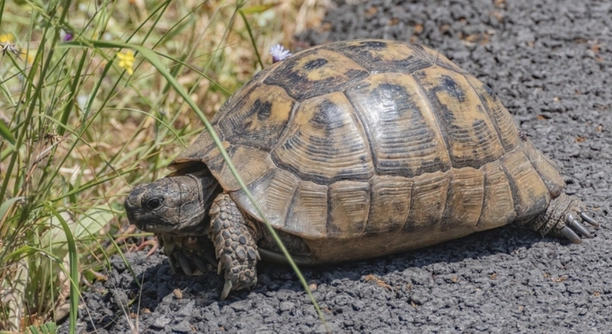
Sometimes, observing unusual behavior in your pet can be concerning. If your Greek tortoise is scraping its shell against objects, you might wonder if something is wrong or if it’s just a normal activity.
Scraping behavior in Greek tortoises can be caused by a variety of factors, including territorial marking, discomfort, or even environmental stress. This behavior may also be linked to shell health, mating instincts, or the need for physical exercise.
Understanding these causes will help you better manage your tortoise’s health and behavior. By exploring the reasons behind this habit, you can make sure your tortoise feels safe and comfortable in its environment.
1. Territorial Behavior or Mating Instincts
Greek tortoises are naturally territorial animals, and their behavior can often reflect this instinct. Scraping their shells against objects is sometimes a way for them to mark their territory. This behavior can become more noticeable during breeding seasons when they may want to claim a specific area as their own. It’s common for males, in particular, to demonstrate this kind of behavior when they are searching for mates.
During mating season, scraping can be a way of signaling to potential mates, even if they aren’t actively seeking one. This behavior is natural and should not necessarily be a cause for alarm. However, if it becomes excessive or seems to involve aggression, it may be an indication of stress or discomfort.
While this is a typical reaction, ensuring that your tortoise has a comfortable and private space to roam can help reduce unnecessary scraping. It’s important to be aware of the signs of distress, so you can address any underlying causes early on.
2. Shell Health and Grooming
Shell health is another factor to consider when a tortoise is scraping against objects. They may be trying to clean or maintain their shell by rubbing it against rough surfaces. This helps them remove debris or dead skin from their shells.
If you notice your tortoise scraping more than usual, it may indicate the need for shell maintenance. Check for signs of damage or buildup. Regular care and keeping their living area clean can help prevent any problems related to shell health.
Stress or Environmental Discomfort
Stress is a common reason why a tortoise might scrape its shell. Changes in its environment, like temperature fluctuations or loud noises, can lead to anxiety. A stressed tortoise might try to comfort itself by rubbing its shell against objects, seeking some kind of relief.
Ensure that your tortoise’s habitat is stable, with proper humidity, temperature, and lighting. These factors can significantly impact its stress levels. If your tortoise has been moved to a new enclosure or there are other environmental changes, this could trigger unwanted behaviors like scraping. Creating a calm, consistent space can reduce stress-induced actions.
Also, pay attention to the placement of its home. A location with too much activity or frequent disturbances could be stressing your pet. Try to keep the area quiet and peaceful, offering your tortoise a safe retreat to feel secure.
Lack of Physical Exercise
Greek tortoises require regular physical exercise to stay healthy. Without enough space to move around, they may start scraping their shells as a way to vent frustration or simply to move. Scraping could be an indication that they feel confined or don’t have enough room to roam.
To address this, consider increasing the size of their enclosure or offering more opportunities for them to explore. Providing different surfaces, such as rocks or logs, for your tortoise to climb and explore can encourage more natural movement. A larger, varied environment allows them to satisfy their instinctive need for space, which can help reduce the scraping behavior.
Encouraging exercise also benefits your tortoise’s overall health. A lack of activity could lead to shell deformities or other health issues. By giving them space to roam, you’re supporting both their physical and mental well-being.
Shell Irritation or Injury
If your tortoise is scraping its shell more than usual, it could be due to irritation or injury. Small cuts, scrapes, or infections on the shell may cause discomfort, leading the tortoise to rub it against surfaces. Checking for visible damage can help identify this cause.
Regularly inspect your tortoise’s shell for cracks or wounds. If you notice any, treat them immediately to prevent infection. Keep their living space free from sharp objects that might cause injury. If the scraping persists, consider visiting a vet for professional advice on proper care and treatment.
Mating Behavior
During the mating season, Greek tortoises exhibit certain behaviors, such as scraping or rubbing against objects. Males, in particular, may engage in this action to establish dominance or attract a mate. It’s a natural instinct that usually happens without any underlying health issue.
If your tortoise’s behavior increases around breeding seasons, it’s likely tied to this natural response. Keep an eye out for any other mating-related actions, like chasing or vocalizations. Ensuring a stress-free environment can help keep mating behavior from becoming disruptive.
FAQ
Why is my Greek tortoise scraping its shell against the wall?
If your tortoise is scraping its shell against the wall or other surfaces, it may be trying to express its territorial instincts or deal with stress. They can scrape to mark territory, especially during mating season. It could also be a sign of frustration if the environment isn’t stimulating enough. If the behavior is excessive, it’s essential to check if it’s caused by any underlying discomfort, like shell health issues or environmental factors.
Is it normal for a tortoise to rub its shell on objects?
Yes, it’s completely normal for a tortoise to rub or scrape its shell on objects. It’s a part of their natural behavior, especially for marking territory or during mating rituals. Scraping can also be a way for them to groom themselves, as they may rub their shells to remove debris. However, if the behavior becomes repetitive or aggressive, it may indicate other problems, like shell injury, stress, or insufficient space to roam.
How do I know if my tortoise is stressed?
Stress in tortoises can be identified by behaviors like excessive scraping, hiding, lethargy, or loss of appetite. If your tortoise is spending too much time in its shell or shows signs of aggression, it may be stressed. Environmental stressors like loud noises, temperature fluctuations, or overcrowding in its habitat can contribute to these issues. Keep an eye out for any signs of abnormal behavior to address the problem early.
What should I do if my tortoise has a shell injury?
If your tortoise has a visible injury on its shell, it’s important to clean the wound gently with a mild antiseptic solution. Avoid using harsh chemicals. For minor injuries, keep the shell dry and clean, but if the wound seems serious or infected, take your tortoise to a vet. Shell injuries can become infected if not properly treated, and a vet can ensure your tortoise gets the right care.
Can a tortoise hurt itself by scraping its shell?
Yes, tortoises can hurt themselves by scraping their shells against rough surfaces or sharp objects. Excessive scraping can lead to abrasions, shell cracks, or even infections. If you notice that your tortoise is scraping too much, ensure that its enclosure is safe and free of anything that could cause injury. A smooth, comfortable environment is key to preventing shell damage.
How can I reduce my tortoise’s scraping behavior?
To reduce scraping behavior, make sure your tortoise has enough space to roam. Provide a large, enriched environment with varied surfaces like rocks, logs, and plants. These additions help mimic natural habitats and encourage physical activity. Additionally, make sure the temperature, humidity, and lighting in its enclosure are optimal. A calm, stable environment will help your tortoise feel safe and reduce stress-driven behaviors like scraping.
Is it a problem if my tortoise doesn’t scrape its shell?
No, it’s not a problem if your tortoise doesn’t scrape its shell. Not all tortoises exhibit this behavior, and it doesn’t necessarily indicate anything is wrong. Some tortoises may prefer to keep to themselves or may not feel the need to mark territory. If your tortoise is healthy, eating well, and active, it’s likely just a matter of individual temperament.
Should I be worried if my tortoise scrapes its shell frequently?
Frequent scraping could indicate a problem, especially if it’s accompanied by other signs of stress or discomfort. It could be a response to an uncomfortable environment, health issues, or the need for more space or stimulation. Pay attention to your tortoise’s overall behavior and environment to identify potential causes. If the scraping continues or worsens, consult with a vet to rule out any health issues.
Can diet affect my tortoise’s scraping behavior?
While diet itself may not directly cause scraping, poor nutrition can lead to health problems that might trigger scraping. For example, a lack of calcium or other essential nutrients could affect your tortoise’s shell health, leading to discomfort. A well-balanced diet is important for overall health, so make sure your tortoise is eating the right food, including leafy greens, vegetables, and occasional fruit.
Final Thoughts
It’s important to remember that scraping behavior in Greek tortoises is quite common and often not something to worry about right away. Whether it’s due to territorial instincts, mating behaviors, or shell health maintenance, these actions are a part of their natural behaviors. However, if the behavior becomes excessive or you notice signs of injury or distress, it’s essential to investigate the cause further. By understanding the reasons behind the scraping, you can better address any issues and ensure your tortoise’s well-being.
If your tortoise seems to be scraping its shell due to environmental factors, such as stress or lack of space, consider making adjustments to its habitat. A comfortable, spacious, and quiet living area can help reduce anxiety and improve your tortoise’s overall happiness. Adding natural elements like rocks and logs can also provide stimulation and encourage healthy movement. Sometimes, small changes in their environment can make a significant difference in their behavior.
In cases where scraping is linked to shell health, pay close attention to the condition of your tortoise’s shell. Regularly check for cracks, cuts, or infections, and take the necessary steps to treat any damage. Proper diet and good care are essential for maintaining a strong, healthy shell. If you ever feel uncertain or if the scraping behavior continues, it’s always a good idea to consult a vet who specializes in reptiles. This way, you can rule out any medical issues and ensure your tortoise stays healthy and happy.

Hello,
If you enjoy the content that we create, please consider saying a "Thank You!" by leaving a tip.
Every little bit helps us continue crafting quality advice that supports the health, happiness, and well-being of pets around the world, for pets of all shapes, sizes, and species.
We really appreciate the kindness and support that you show us!