
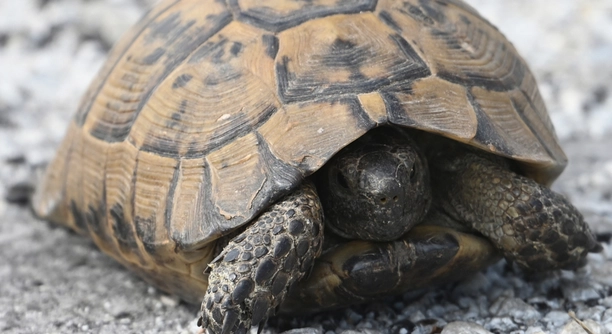
Greek tortoises are known for basking regularly to maintain their health, but sometimes they may stop this important behavior. Understanding the reasons behind this can help ensure your pet’s well-being and proper care.
Several factors can cause a Greek tortoise to stop basking. These include inadequate lighting, temperature fluctuations, stress, illness, improper diet, or even environmental changes that make basking uncomfortable. Identifying the root cause is essential for restoring their behavior.
There are multiple factors at play when a Greek tortoise stops basking. It’s important to examine their environment and health to address the issue and help them return to their normal routine.
Inadequate Lighting
Lighting is crucial for your Greek tortoise’s health. If they’re not getting enough UVB rays, they can become lethargic and stop basking. UVB light helps them produce vitamin D3, which is needed for calcium absorption. Without it, your tortoise may avoid basking, as it can feel uncomfortable. Ensure their basking spot has the proper lighting, using both UVB and heat lamps to mimic natural sunlight. The basking area should be warm enough, around 90°F, while the cooler side of the enclosure stays around 70°F. Keeping the light on a 12-hour cycle is important to mimic the natural day-night pattern.
UVB light and warmth are key for healthy basking. Check that the light is strong enough to provide adequate exposure for your tortoise.
If your tortoise has access to weak or incorrect lighting, it might stop basking altogether. This happens because without proper UVB, they can’t absorb enough calcium to maintain healthy bones. The basking spot should provide enough heat for your tortoise to soak in warmth without overheating. Placing the light too close can also be harmful. If you notice your tortoise avoiding the basking area, it might be because the light is too weak or too intense. It’s important to assess their setup and make sure the UVB light source is powerful enough, and positioned correctly.
Temperature Fluctuations
Temperature changes can stress out a Greek tortoise, causing them to stop basking. If the temperature in their enclosure is inconsistent, they may not feel comfortable enough to bask. It’s important to maintain a stable environment to keep your tortoise active. Regularly check the temperatures on both the warm and cool sides to ensure they remain in the ideal range.
Maintaining consistent temperatures is key to a healthy tortoise. If the temperature drops too low or gets too high, it can lead to stress and cause your tortoise to stop basking altogether. Use a reliable thermometer to monitor their habitat and adjust heat sources accordingly. The basking spot should be around 90°F, with the cooler side of the enclosure around 70°F. If these temperatures fluctuate frequently, it can confuse your tortoise’s natural behavior, making it reluctant to bask.
Greek tortoises are particularly sensitive to temperature fluctuations. If they don’t have the right conditions, they may retreat into their shells or hide, avoiding the basking area altogether. It’s important to avoid sudden temperature changes, especially if the weather is inconsistent. Regularly checking the temperature of the basking spot and cooler side ensures a safe and comfortable space for your tortoise. If their environment is too warm or too cold, they’ll avoid basking, so proper temperature control is essential to keeping them active and healthy.
Stress
Stress can cause a Greek tortoise to stop basking. Changes in their environment or routine, like new pets or loud noises, can make them feel unsafe. If they feel threatened or disturbed, they may hide more and avoid basking. Keep their surroundings calm and consistent to reduce stress.
Providing a quiet, safe environment is essential for your tortoise. Stress can lead to a lack of appetite and a refusal to bask. If your tortoise feels threatened by new changes, such as a new enclosure or sudden activity in the room, it can become anxious. Create a peaceful space to encourage natural behavior.
Stress can also result from overcrowding in the enclosure. If there are too many objects or if the space is too small, it can make your tortoise feel trapped. A larger, more comfortable enclosure with hiding spots will help your tortoise feel secure enough to bask without worry.
Illness
Illness might prevent a Greek tortoise from basking. Common signs of illness include lethargy, a lack of appetite, or unusual behavior. When sick, they may stop basking because their bodies cannot regulate temperature as effectively. Always check for signs of illness and consult a vet if needed.
If your tortoise stops basking suddenly, it could be a sign of a health issue. Check for other symptoms, like changes in their eating habits or physical appearance. Illness can also cause them to seek darker, cooler places to rest, avoiding basking altogether. If this occurs, seek advice from a vet.
FAQ
Why is my Greek tortoise not basking?
A Greek tortoise might stop basking for several reasons. These include improper lighting, temperature issues, stress, illness, or an unsuitable environment. If your tortoise isn’t basking, it’s important to check the lighting, temperature, and the overall setup of the enclosure. Make sure the basking area is warm enough, and the environment feels safe. Sometimes stress from environmental changes or other pets can cause them to stop basking. Also, if they’re feeling unwell, they may avoid basking due to lack of energy or discomfort.
How can I tell if my tortoise is sick?
Sick tortoises often show signs like lethargy, loss of appetite, swollen or watery eyes, abnormal behavior, or changes in their shells. If your Greek tortoise is not basking and seems withdrawn, it could indicate a health issue. You should also look for signs like difficulty walking or labored breathing. If you suspect illness, consult a vet to get a proper diagnosis and treatment. Early detection can prevent serious problems, so always monitor your tortoise’s behavior closely.
What temperature should my Greek tortoise’s basking area be?
The basking area for a Greek tortoise should be around 90°F (32°C). This provides the heat necessary for digestion and overall well-being. The cooler side of the enclosure should stay around 70°F (21°C). Having a temperature gradient allows your tortoise to regulate its body temperature by moving between warm and cool areas. Ensure that the heat source is not too close to the tortoise, as overheating can be dangerous.
How often should I check my tortoise’s habitat?
It’s essential to check your tortoise’s habitat regularly to ensure the conditions are optimal. Check the temperature daily to make sure it’s within the proper range. Inspect the lighting to ensure it’s providing enough UVB and heat. Also, check for any signs of wear or malfunction in the heating and lighting systems. Once a week, give the entire enclosure a thorough cleaning to keep it hygienic and check for any potential hazards or discomforts.
Can stress cause my tortoise to stop basking?
Yes, stress is one of the main reasons Greek tortoises stop basking. Stress can be caused by changes in their environment, like moving to a new enclosure, the presence of other animals, loud noises, or even improper handling. If a tortoise feels unsafe, it may stop basking and spend more time hiding. It’s important to keep their environment quiet and stable. If possible, avoid frequent changes and give your tortoise plenty of time to adjust to new surroundings.
How long should my tortoise bask each day?
Greek tortoises typically bask for around 4-6 hours a day. The exact amount can vary depending on their age, health, and environmental conditions. Young tortoises may bask for longer periods, while older ones may spend less time basking. Ensure the basking area is set up correctly so that your tortoise can bask comfortably whenever needed. If your tortoise is avoiding the basking area, it could be a sign that something is wrong with the environment or their health.
What type of lighting does my Greek tortoise need?
Greek tortoises require UVB lighting to help them produce vitamin D3, which is vital for calcium absorption. Without UVB light, they can develop metabolic bone disease. Use a high-quality UVB bulb, ideally one that emits both UVB and heat. The light should be on for 12 hours a day to mimic natural sunlight. Make sure the light source is close enough to provide adequate exposure but not so close that it causes overheating. Replace the bulb every 6 months to maintain proper UVB output.
Can a cold temperature affect basking behavior?
Yes, cold temperatures can negatively affect your Greek tortoise’s basking behavior. If the temperature in their enclosure drops too low, they may avoid basking because they can’t regulate their body temperature effectively. A tortoise needs warmth to digest food and stay active. When the temperature is too cold, it may become sluggish or hide. Check your heating system regularly and make adjustments as needed to maintain the proper temperature gradient.
Is it normal for my tortoise to stop basking in winter?
In colder months, some Greek tortoises may reduce their basking time naturally. This could be due to their instinct to slow down during the cooler seasons. However, if your tortoise stops basking completely, it could indicate that the temperature in their enclosure is too low or that they are experiencing other issues. Ensure that the heating and lighting are adequate and that they have the option to bask during the day.
How can I reduce stress for my Greek tortoise?
To reduce stress, make sure your Greek tortoise has a calm, stable environment. Avoid loud noises, sudden changes in their surroundings, or too much handling. It’s also important to keep their enclosure large enough for them to move around freely. Provide hiding spots and make sure they’re not overcrowded. If you have other pets, ensure that they do not disturb your tortoise. A stress-free environment will encourage natural behaviors like basking, feeding, and exploring.
Final Thoughts
If your Greek tortoise stops basking, it’s important to identify the cause. It could be something as simple as improper lighting or temperature, or it might be a sign of stress or illness. Monitoring their environment is essential to making sure their habitat is set up properly. Adjusting the temperature, providing the right kind of lighting, and keeping the area calm can help your tortoise feel comfortable enough to bask again. If everything seems fine but your tortoise still refuses to bask, it’s worth considering whether they’re feeling unwell or stressed.
Keep in mind that Greek tortoises are sensitive creatures that need a balance of warmth, UVB light, and a stress-free environment to thrive. Regularly checking their habitat and health can prevent many common problems. If you notice any signs of illness, it’s crucial to take action quickly. Illnesses can cause lethargy and lack of appetite, both of which may lead to your tortoise avoiding the basking area. If stress is the issue, minimizing disruptions and creating a safe space for them to relax can help restore their natural behaviors.
Ultimately, the key to helping your Greek tortoise return to basking regularly is ensuring that they have the right conditions to feel safe, healthy, and comfortable. Proper lighting, temperature control, and a peaceful environment play a significant role in maintaining their overall well-being. If you’ve checked these factors and your tortoise still refuses to bask, it’s best to consult a veterinarian for advice. Keeping an eye on your tortoise’s health and environment will ensure they live a long, happy life.

Hello,
If you enjoy the content that we create, please consider saying a "Thank You!" by leaving a tip.
Every little bit helps us continue crafting quality advice that supports the health, happiness, and well-being of pets around the world, for pets of all shapes, sizes, and species.
We really appreciate the kindness and support that you show us!