
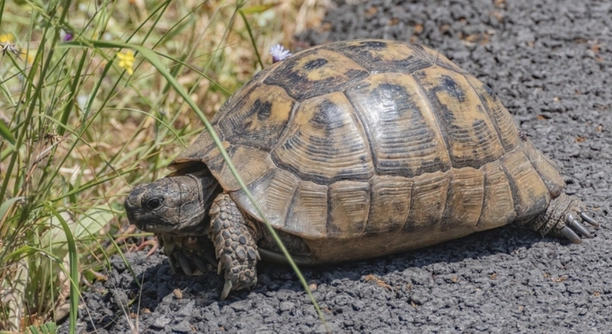
Maintaining proper humidity in a Greek tortoise habitat is essential for their health and well-being. The right moisture levels can prevent issues like respiratory problems and dehydration, ensuring your tortoise lives a happy and active life.
The best way to maintain proper humidity in a Greek tortoise habitat is by using a combination of substrate moisture, humidity hides, and a reliable humidifier. Ensuring consistent humidity levels between 40% and 60% is crucial for your tortoise’s comfort.
By understanding how to adjust and monitor humidity, you can create a safe and thriving environment for your tortoise. These simple methods will help maintain the ideal conditions needed for your reptile’s health.
Use a Substrate that Retains Moisture
Choosing the right substrate for your Greek tortoise’s habitat can make a significant difference in maintaining proper humidity. Substrates like coconut coir, sphagnum moss, or a mix of both hold moisture well. These materials not only help retain humidity but also mimic the tortoise’s natural environment. It’s important to avoid sand-based substrates, as they tend to dry out quickly and can be harmful if ingested. A thicker layer of substrate will also keep the humidity more stable, creating a comfortable microclimate for your tortoise. Additionally, you can spot clean the substrate regularly to keep the enclosure sanitary without disrupting the moisture balance.
The humidity levels in your tortoise’s habitat depend largely on the moisture retention of the substrate. Regularly misting the substrate can help maintain consistent levels of humidity.
Keep in mind that a moist substrate should not be soggy. A too-wet environment can cause mold growth or other unwanted bacteria. By monitoring moisture levels carefully, you ensure that the habitat stays healthy and comfortable.
Use a Humidity Hide
A humidity hide is an effective way to create a microenvironment with higher moisture levels for your Greek tortoise. Place a small, enclosed space in the habitat where the tortoise can retreat to when it needs extra humidity. You can use a simple plastic container with a hole for entrance or purchase a pre-made hide. Fill it with moist sphagnum moss or coconut coir. The tortoise will find comfort in the humid area, which will help maintain its hydration levels.
The hide should be placed in a corner of the enclosure, away from any heat sources to avoid drying out the moisture. Make sure to check the hide regularly to ensure it remains moist but not overly wet.
By providing this space, your tortoise can escape the drier parts of the habitat, reducing stress and promoting healthy skin shedding. It’s an easy addition that will improve the overall humidity and well-being of your tortoise.
Monitor Humidity Levels Regularly
It’s important to regularly check the humidity levels in the habitat to ensure they stay within the ideal range of 40% to 60%. Using a reliable hygrometer will help you monitor this accurately. Placing one near the substrate and another near the hide can provide a better overall picture of humidity throughout the space. Keeping track will allow you to adjust when needed, like adding more water or misting areas more frequently.
Investing in a good hygrometer prevents potential issues, as humidity that is too low can cause dehydration, while too much can create a breeding ground for bacteria. Being consistent in checking the levels helps maintain a stable environment for your tortoise.
A humidity gauge is essential for achieving the right balance. Adjustments to misting or water levels can be done based on the readings, helping you prevent fluctuating humidity that can stress your pet.
Use a Misting System
A misting system is a hands-free way to ensure your tortoise’s habitat stays humid. It evenly distributes moisture throughout the enclosure, making it easier to maintain the right levels. Set it on a timer so it mist at specific intervals. This also reduces the risk of over-misting.
By using a misting system, you avoid the hassle of manually spraying water. It helps maintain a consistent humidity level, which is crucial for your tortoise’s health. Automated misting also reduces human error and ensures the environment stays stable.
Regularly clean the system to prevent bacteria or mold buildup, ensuring the water quality remains safe for your tortoise.
Place a Shallow Water Dish
A shallow water dish is necessary for hydration but can also aid in maintaining humidity. Place the dish in a location where the tortoise can easily access it. Ensure that the water is changed daily to avoid contamination.
Water evaporates from the dish, adding moisture to the air in the enclosure. This will help maintain stable humidity levels. However, the dish should be shallow to avoid drowning risks, and it should be placed in a dry area to prevent it from interfering with your tortoise’s movements.
FAQ
How do I know if the humidity in my Greek tortoise habitat is too low?
If the humidity is too low, your tortoise may start showing signs of dehydration, such as dry, flaky skin or difficulty shedding. You may also notice that your tortoise becomes more sluggish than usual. These are clear indicators that the environment is not providing enough moisture. The air may feel dry, and the substrate might appear too dusty or crumbly. Checking the humidity with a hygrometer is the best way to confirm if the levels are too low.
How can I raise the humidity if it’s too low?
To raise the humidity, increase the moisture in the substrate by adding water or using a misting system. You can also add a humidity hide filled with moist sphagnum moss or coconut coir. If the enclosure has vents or openings, you might want to reduce airflow slightly, which helps prevent moisture from escaping too quickly. Adding a shallow water dish will also increase humidity as water evaporates into the air.
Is it okay to use a humidifier in my tortoise’s enclosure?
Yes, a humidifier can be helpful for maintaining proper humidity levels, especially if you live in a dry climate. Be sure to use a cool-mist humidifier rather than a warm-mist one to avoid overheating the habitat. Place the humidifier at one end of the enclosure to prevent the whole area from becoming too humid. Also, monitor the humidity regularly with a hygrometer to make sure it doesn’t become too high.
How can I reduce humidity if it’s too high?
To reduce humidity, increase ventilation in the enclosure by opening air vents or using a fan. You can also reduce the moisture in the substrate by letting it dry out for a day or two. If you have a humidifier running, turn it off or adjust the settings to lower the output. Be careful not to dry out the habitat too much, as this can lead to low humidity, which is also harmful.
What temperature should the humidity be kept at for my Greek tortoise?
Greek tortoises thrive in environments with moderate humidity between 40% and 60%. Too much humidity can cause respiratory issues, while too little can lead to dehydration. In addition to proper humidity, maintaining a consistent temperature of 75°F to 85°F during the day and slightly cooler at night is also important for their health. Use a thermometer to track temperature along with a hygrometer for humidity.
Can I use a heat lamp to help with humidity?
While a heat lamp is essential for providing the necessary warmth for your tortoise, it can dry out the air, which may lower humidity levels. Instead of relying on the heat lamp, focus on other methods, like a humidifier or misting system, to maintain the proper humidity. If you notice the air getting too dry, adjust the position of the heat lamp or use other methods to balance the humidity.
Should I change the water in the water dish every day?
Yes, it is important to change the water in the water dish every day. Stale water can become a breeding ground for bacteria, which is harmful to your tortoise. Fresh water is not only vital for hydration but also helps increase humidity as it evaporates. Be sure the dish is shallow enough to prevent any accidents while your tortoise drinks or bathes.
What can I use to monitor the humidity levels in the habitat?
A hygrometer is the best tool to measure the humidity levels in your tortoise’s habitat. You can find digital or analog models, and some even come with temperature readings. Place the hygrometer near the substrate and check it regularly to make sure the humidity is within the ideal range of 40% to 60%. A consistent reading will ensure your tortoise stays in a comfortable environment.
Can high humidity cause problems for my tortoise?
Yes, high humidity can cause issues like respiratory problems or fungal infections. If the air is too damp, your tortoise may develop skin conditions or have difficulty shedding properly. It’s important to maintain a balance and keep the humidity within the ideal range. If the humidity gets too high, it’s crucial to adjust the environment by reducing moisture levels or increasing ventilation.
How often should I mist my tortoise’s habitat?
The frequency of misting depends on your specific environment and the humidity levels. In general, mist the habitat once or twice a day to maintain humidity. However, you may need to adjust this based on the local climate and how the humidity is fluctuating. Misting in the morning and evening can also help your tortoise feel comfortable throughout the day.
What is the best substrate to use for maintaining humidity?
Coconut coir and sphagnum moss are both great options for retaining moisture. These materials help keep the humidity stable while being safe for your tortoise to interact with. Avoid sand-based substrates, as they tend to dry out quickly and don’t hold moisture well. A mixture of coconut coir and moss provides the ideal humidity support for your Greek tortoise.
How can I tell if my tortoise is getting enough humidity?
Signs that your tortoise is getting enough humidity include healthy skin, easy shedding, and normal activity levels. If your tortoise is constantly hiding, seems lethargic, or struggles to shed, the humidity may not be right. Always check the habitat’s humidity levels with a hygrometer to make sure they are within the proper range.
Maintaining proper humidity in your Greek tortoise’s habitat is essential for its health and well-being. When the humidity levels are just right, your tortoise will be more comfortable, active, and able to shed its skin properly. This balance prevents dehydration, respiratory issues, and other health problems that can arise from an environment that’s too dry. A small investment in tools like a hygrometer, humidity hide, and misting system can go a long way in creating a thriving habitat for your pet.
Remember that humidity should be kept between 40% and 60% for your Greek tortoise. Consistently monitor the humidity levels and adjust as needed by misting, using a humidifier, or modifying the substrate. Each tortoise’s needs may vary slightly, so it’s important to observe your pet and how it reacts to the environment. If it appears stressed or unhealthy, check the humidity and make adjustments accordingly.
By following these simple steps, you’ll ensure that your Greek tortoise enjoys a healthy and comfortable home. It doesn’t take much to maintain the right conditions once you understand the key factors involved. With some attention to detail and a few adjustments, your tortoise will thrive, helping you enjoy many years together.

Hello,
If you enjoy the content that we create, please consider saying a "Thank You!" by leaving a tip.
Every little bit helps us continue crafting quality advice that supports the health, happiness, and well-being of pets around the world, for pets of all shapes, sizes, and species.
We really appreciate the kindness and support that you show us!