
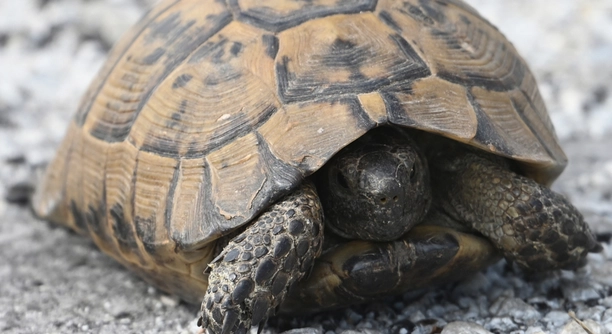
Tortoises can engage in a variety of behaviors, and rubbing their face on walls is one of them. This action may seem odd, but it often has specific causes related to their needs or environment.
Greek tortoises rub their faces on walls due to several factors, such as exploring their surroundings, stress, or irritations like skin issues. They may also do this if they are seeking attention, feeling uncomfortable, or trying to escape.
There are multiple factors that could lead to this behavior. Understanding these causes will help you address your tortoise’s needs effectively and ensure it is comfortable in its habitat.
Common Environmental Causes
Greek tortoises are sensitive to their environment. One reason for rubbing their face on walls is that they might be exploring their surroundings. These reptiles are naturally curious and will investigate anything they can, including the walls of their enclosure. If they feel a need to move around or look for a new space, rubbing is often part of their exploration.
This behavior can also be a sign that their habitat isn’t ideal. For example, if their enclosure is too small or lacks enough hiding spots, they might try to explore the boundaries in search of more space. A cramped environment can lead to stress, which in turn may cause this behavior.
If you notice your tortoise rubbing its face on walls often, consider adjusting the space. Make sure there are plenty of places for your tortoise to hide and roam. A larger, well-structured enclosure can provide both mental and physical stimulation, making your tortoise feel more secure and comfortable.
Health Issues
If your tortoise is constantly rubbing its face on walls, it could be a sign of discomfort. Skin issues like dryness, irritation, or parasites can lead to rubbing behavior. Tortoises with injuries or infections might rub their face to soothe irritation or scratch an itchy spot.
A vet visit can help identify underlying health problems. Skin conditions, like fungal infections, can sometimes cause discomfort, making the tortoise attempt to relieve it by rubbing against objects. Additionally, ensure the environment is clean to prevent the growth of bacteria or fungi.
Be mindful of your tortoise’s health. If they exhibit signs of irritation, such as rubbing, swelling, or unusual behavior, a proper check-up will help address the root cause. Regular maintenance of their enclosure and diet will also keep them healthy.
Stress and Anxiety
Stress is a major factor behind a tortoise rubbing its face on walls. Changes in their environment, such as new animals, loud noises, or unfamiliar scents, can cause anxiety. This behavior is their way of reacting to feeling unsettled.
Tortoises are creatures of habit, and disruptions can lead to stress. Moving their habitat, changing lighting, or rearranging objects can cause them to feel unsafe. They may attempt to find comfort by rubbing against surfaces. In some cases, when they’re anxious, this rubbing helps them cope.
If your tortoise is rubbing its face frequently, look at what has changed in its environment. Make sure it feels secure and settled, avoiding sudden changes. If stress is the cause, returning to a familiar routine may help calm it down.
Boredom and Lack of Stimulation
Boredom is another common reason for rubbing. Greek tortoises require mental stimulation and variety in their environment. If they are not given enough things to interact with, they may rub their faces on surfaces out of frustration or simply because they’re looking for something to do.
Consider enriching their habitat with new objects or toys. Providing different textures and hiding spots encourages natural behaviors and keeps them entertained. A larger enclosure can also offer more opportunities to explore and engage with their environment. Without sufficient stimulation, a tortoise might resort to rubbing as a way to pass time.
Rotating toys or adding plants and rocks for climbing can break the monotony. Keep their space dynamic and diverse, so they have more chances to explore and stay mentally engaged.
Temperature Issues
Temperature imbalances can cause discomfort for Greek tortoises, leading to face rubbing. If their environment is too hot or too cold, they may try to adjust by rubbing against walls. They seek relief or comfort when their body temperature feels off.
Make sure your tortoise’s enclosure has a proper temperature gradient. There should be a warm side and a cooler side, allowing your tortoise to regulate its temperature. Avoid placing the enclosure in direct sunlight or in areas with temperature fluctuations. The ideal range for Greek tortoises is between 75°F and 85°F.
Skin Irritation
Skin irritation, often from dehydration or dryness, is another reason for face rubbing. If the tortoise’s skin is irritated, it may try to rub it on walls to relieve the discomfort.
Ensure your tortoise has access to water and a humid environment. Dry skin can become painful, especially if the humidity is too low. Adding a shallow water dish and misting the enclosure regularly will help keep their skin hydrated and prevent irritation.
Hunger or Overfeeding
A Greek tortoise may also rub its face if it’s hungry or has been overfed. Hunger can drive them to search for food, and rubbing the walls may be part of their way of showing discomfort. On the other hand, overfeeding can make them feel sluggish or uncomfortable, prompting them to rub.
Monitor their feeding schedule and adjust it according to their size and age. Stick to appropriate feeding times and amounts, and avoid overfeeding them, as this can lead to health issues. Proper nutrition is key to ensuring your tortoise stays comfortable.
FAQ
Why does my Greek tortoise rub its face on the walls?
Face rubbing is usually a response to stress, boredom, or environmental discomfort. Tortoises often rub their faces against walls to explore their surroundings or express irritation. If there’s a change in their habitat, such as new animals or objects, they may react this way. Skin irritation, hunger, and even improper temperature can also trigger this behavior. Paying attention to these factors can help you determine the cause.
How can I stop my tortoise from rubbing its face on walls?
To stop the behavior, first assess the environment. Ensure your tortoise has a comfortable, secure space. Provide enough stimulation with new toys, plants, or rocks to explore. Make sure the temperature is ideal, and the humidity level is appropriate. Avoid stressors like sudden changes or loud noises.
Can face rubbing be a sign of illness?
Yes, face rubbing could indicate discomfort from health issues, such as skin infections or dryness. If your tortoise’s skin appears irritated or swollen, it may be trying to relieve pain. A vet can help determine if there’s an underlying medical problem, like a fungal infection or parasite.
What temperature should my Greek tortoise’s habitat be?
Your tortoise needs a temperature gradient in its enclosure. The warm side should be between 80°F to 85°F, while the cooler side should range between 70°F to 75°F. This allows your tortoise to move between areas and regulate its body temperature effectively. Keep the habitat away from cold drafts or direct sunlight to avoid temperature stress.
Is it normal for my tortoise to rub its face on things when it’s hungry?
Yes, hunger can sometimes cause a tortoise to act out. When they’re hungry, they may rub their faces in search of food. If your tortoise is showing signs of hunger, adjust its feeding schedule and offer a balanced diet. Keep in mind, overfeeding can also lead to discomfort, causing similar behavior.
How do I know if my tortoise is stressed?
Signs of stress in tortoises include excessive face rubbing, hiding, loss of appetite, and lethargy. Environmental changes, such as new animals or objects in the enclosure, can cause stress. To reduce stress, ensure the enclosure is quiet, safe, and stable. Regularly check for temperature and humidity issues.
How often should I feed my Greek tortoise?
Typically, a Greek tortoise should be fed every other day, with a diet consisting mainly of leafy greens, weeds, and vegetables. It’s important not to overfeed, as excess food can lead to obesity and digestive issues. Provide fresh food and clean water daily and adjust portions based on age and size.
What should I do if my tortoise’s skin is dry?
If your tortoise’s skin is dry, it might be due to low humidity. You can increase humidity by misting the enclosure regularly or adding a shallow water dish. Proper hydration is important, so ensure your tortoise has access to fresh water at all times. Dry skin may also indicate a need for better temperature control.
Can I use artificial lighting for my Greek tortoise?
Yes, artificial lighting can be useful, especially if you live in an area with limited natural sunlight. Use UVB bulbs to help your tortoise produce Vitamin D3, which is essential for calcium absorption. Make sure the light is placed at the correct distance from your tortoise to avoid burns, and replace the bulb regularly as it loses effectiveness over time.
What kind of substrate is best for my tortoise’s enclosure?
The best substrate for a Greek tortoise is one that mimics their natural environment. Use a mix of soil, sand, and grass hay. This allows them to dig and burrow, behaviors they would exhibit in the wild. Avoid substrates like cedar shavings, which can be toxic to tortoises.
Is face rubbing normal for baby Greek tortoises?
Face rubbing is fairly common for baby tortoises, especially as they adjust to their new environment. They may be exploring their surroundings, testing boundaries, or trying to get comfortable. However, if it becomes excessive or is accompanied by other signs of distress, it could indicate an underlying issue such as skin irritation or stress.
How do I handle a tortoise with face rubbing behavior?
If your tortoise is rubbing its face, first check the enclosure for issues like overcrowding or lack of stimulation. If there’s no improvement, try adjusting the habitat’s temperature or humidity. If rubbing continues, and the tortoise appears to be in discomfort, consult a vet to rule out any health issues.
Can my tortoise rub its face because of the enclosure size?
Yes, a small or cramped enclosure can make a tortoise feel confined, leading to rubbing. Greek tortoises need space to move around. Ensure their enclosure is large enough for them to roam freely and includes hiding places and objects to climb or explore. A larger, more stimulating environment can help reduce this behavior.
Why is my Greek tortoise rubbing its face on the walls at night?
If your tortoise rubs its face at night, it might be searching for a comfortable spot to sleep. This behavior can also be related to the nighttime temperature drop. Ensure that the nighttime temperature is within the appropriate range and that your tortoise has a proper hide to rest in.
Final Thoughts
Greek tortoises may rub their faces against walls for a variety of reasons, but most of the time, it is a response to their environment. Stress, hunger, and even improper temperature or humidity levels can cause this behavior. By keeping their habitat in check, you can help reduce the chances of this face-rubbing behavior. It’s essential to provide a safe, comfortable space for your tortoise to feel secure, as this directly affects their overall well-being.
If your tortoise’s behavior continues despite changes in their environment, it’s worth checking for health issues. Skin irritation, dryness, or other underlying medical concerns can lead to discomfort, causing them to rub their faces. In these cases, consulting with a veterinarian will ensure that any potential health issues are properly addressed. Regular monitoring of their physical condition can prevent problems from escalating.
Ultimately, understanding your tortoise’s behavior and environment is key to providing them with the best care. Small adjustments to their space, diet, and routine can make a significant difference in reducing face rubbing. By paying attention to their needs and responding accordingly, you can ensure that your Greek tortoise lives a healthy and comfortable life.

Hello,
If you enjoy the content that we create, please consider saying a "Thank You!" by leaving a tip.
Every little bit helps us continue crafting quality advice that supports the health, happiness, and well-being of pets around the world, for pets of all shapes, sizes, and species.
We really appreciate the kindness and support that you show us!