
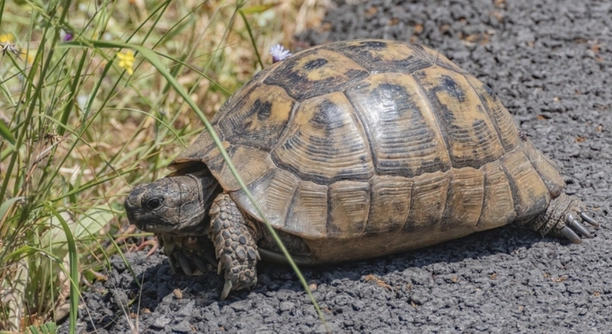
Greek tortoises require both physical and mental stimulation to stay healthy and happy. Enrichment is crucial for their well-being, encouraging natural behaviors and providing essential exercise. Choosing the right toys and activities can keep them engaged and content.
Providing safe toys and enrichment ideas for Greek tortoises involves offering them items that promote natural behaviors like foraging and exploring. Simple items like wooden logs, safe plants, and puzzle feeders can stimulate their instincts while ensuring their safety.
Exploring new enrichment options can lead to a more active and content tortoise. The following ideas will help you create a more fulfilling environment for your pet.
Safe Toys for Greek Tortoises
Greek tortoises enjoy exploring their surroundings, and providing safe toys can help promote healthy behaviors. Wooden toys, like branches or logs, are ideal for these reptiles. They enjoy climbing over or chewing on these items, which helps keep their beaks and jaws strong. Make sure any wooden items are free from chemicals or pesticides. Soft materials, like rubber, can also be safe if they’re specifically designed for reptiles, offering a way to chew and interact without risk. You can also provide small puzzle toys that require the tortoise to move or manipulate them to access food. These puzzles engage their minds, encouraging natural behaviors.
Toys should never be too small or fragile, as they could be a choking hazard. Look for sturdy, reptile-safe items that won’t break easily. Also, avoid plastic toys that may contain harmful chemicals.
Keeping toys simple, natural, and safe ensures your tortoise gets the right kind of stimulation. A well-thought-out enrichment setup will prevent boredom and keep your tortoise healthy.
Foraging Opportunities
Foraging is a natural behavior for Greek tortoises, and providing opportunities to search for food can keep them entertained. Hide small portions of food around their enclosure or in safe, simple toys to encourage exploration. You can use leafy greens, flowers, or safe herbs like dandelion to make the hunt exciting.
It’s important to ensure the food is easily accessible but requires some effort to find. This mimics the way they would search for food in the wild. Using shallow containers or hiding spots can give your tortoise a challenge that feels rewarding. Varying the hiding spots daily will keep them engaged and active.
Foraging also supports their natural instincts, helping them stay mentally and physically healthy. It’s a simple but effective way to ensure your tortoise gets the exercise it needs while providing an enriching experience. Make sure to always choose safe, edible items to avoid any potential hazards.
Hiding Spots for Exploration
Providing hiding spots in the enclosure is another way to enrich your tortoise’s environment. Simple structures like tunnels, logs, or rocks can give them space to explore. These areas simulate natural hiding spots, promoting comfort and security.
Having these hiding places encourages your tortoise to move around and interact with its surroundings. It also offers a place for them to retreat when they feel the need to rest or feel safe. Experiment with different types of hideouts to see which your tortoise enjoys most.
Plants and Greens
Offering safe plants in the enclosure not only adds to the natural look but also encourages healthy browsing. Many Greek tortoises enjoy nibbling on leaves, flowers, and grasses. Providing a mix of edible plants like clover, dandelion greens, and hibiscus can keep them entertained.
Plants can also serve as hiding spots or climbing areas, adding variety to the habitat. The different textures and heights challenge your tortoise and can promote physical activity. Ensure the plants are safe, pesticide-free, and suitable for tortoises to eat. Adding fresh greenery every few days will prevent boredom and support their nutritional needs.
FAQ
How can I safely provide toys for my Greek tortoise?
To safely provide toys for your Greek tortoise, focus on natural materials like wood, branches, and logs. Ensure that these items are free from chemicals or pesticides, which can be harmful. Rubber toys can be a good option if they are specifically designed for reptiles. Avoid small plastic items that could break or be ingested. Any toys or objects should be large enough that your tortoise can’t accidentally swallow them. Rotating toys can keep your tortoise engaged without overloading its space.
Can I use store-bought reptile toys for my Greek tortoise?
Yes, store-bought reptile toys can be used for your Greek tortoise if they are made from safe, non-toxic materials. Look for toys that are designed specifically for tortoises or reptiles. These toys are usually made from durable materials like safe rubber or wood. Make sure to check the labeling for safety and appropriateness for your tortoise’s size. Always avoid toys with small parts that could become a choking hazard. You can also use some DIY options, such as cardboard tubes or large wooden branches.
What kinds of food can I hide for foraging?
Foraging is an excellent enrichment activity for Greek tortoises. Safe, edible plants such as dandelion greens, clover, and hibiscus flowers are great for hiding around their enclosure. You can also use safe fruits and vegetables like strawberries, zucchini, or small amounts of apple. Always be sure the plants you choose are safe for tortoises, avoiding anything toxic. It’s also best to keep the food varied to keep things interesting. Hiding food in different areas, such as under rocks or in shallow containers, mimics the tortoise’s natural behavior and encourages physical activity.
How do I set up a safe and engaging environment for my Greek tortoise?
To create a safe and engaging environment, ensure the enclosure is large enough for your tortoise to move freely. Provide areas for hiding, climbing, and foraging. Use natural elements like rocks, logs, and safe plants to make the habitat feel like their natural environment. The substrate should be appropriate for digging, and you should also ensure the enclosure is escape-proof. Ensure your tortoise has access to fresh water at all times and a heat source for basking. You can also include a shallow water dish for soaking, which helps with hydration and temperature regulation.
How can I encourage my tortoise to explore its enclosure?
Encouraging exploration can be as simple as adding variety to the tortoise’s enclosure. Place different textures, such as logs, rocks, and soft rubber toys, to provide climbing and hiding opportunities. You can also change the arrangement of the enclosure every so often to keep things fresh and interesting. Offering new food sources in various locations promotes movement, and using safe plants or grasses for grazing will keep your tortoise moving around. When setting up their space, think of it as a puzzle that encourages your tortoise to interact with different parts of its habitat.
What are the best hiding spots for my Greek tortoise?
The best hiding spots for your tortoise can include simple objects like logs, tunnels, or rocks that allow them to retreat and feel secure. These spots mimic the tortoise’s natural need for shelter. Make sure that any hiding spots are spacious enough for your tortoise to move comfortably in and out. Avoid small or cramped spaces that could lead to stress. If possible, use natural materials like hollowed-out logs or overturned rocks. Experiment with different hiding spots to see which your tortoise prefers.
Can my Greek tortoise have a companion?
Greek tortoises can tolerate living with other tortoises in some cases, but it’s important to monitor their interactions. Some tortoises may not get along, particularly males who can be territorial. It’s generally recommended to house tortoises individually unless they are of different sizes or genders and have been properly introduced. If you decide to house more than one tortoise together, make sure each has plenty of space and hiding spots to avoid conflicts. Always monitor for signs of aggression or stress between individuals.
How do I keep my Greek tortoise mentally stimulated?
To keep your tortoise mentally stimulated, provide different enrichment activities. Foraging, offering a variety of food, and providing safe toys are essential. Using puzzle feeders or hiding food around their enclosure keeps them actively engaged in searching. You can also vary the textures in their environment, from rough rocks to soft plants, encouraging exploration. Changing their habitat layout occasionally will also help prevent boredom. Regularly adding new items to their space or incorporating novel foods can challenge their problem-solving abilities and keep them curious.
How often should I change the environment of my tortoise’s enclosure?
Changing your tortoise’s environment every few weeks can help keep things interesting. You don’t need to make drastic changes, but moving items around, adding new hiding spots, or rotating toys can encourage exploration and mental stimulation. It’s also important to regularly clean the enclosure and replace any bedding or substrate. However, try not to disrupt your tortoise’s environment too often, as it can cause stress. Keeping a balance between familiarity and novelty helps maintain their interest while ensuring a stable, comfortable living space.
What types of plants are safe for Greek tortoises?
Greek tortoises enjoy eating a variety of safe plants, which can be incorporated into their environment for both food and enrichment. Safe plants include dandelion greens, clover, hibiscus, plantain, and mulberry leaves. You can also offer edible flowers like pansies or nasturtiums. Make sure to avoid any plants that may be toxic, such as those from the nightshade family, and always check that the plants are free from pesticides or chemicals. Offering a mix of plants provides variety and helps simulate a natural grazing environment.
How much space does a Greek tortoise need in its enclosure?
The size of the enclosure should allow your Greek tortoise to roam, forage, and hide comfortably. A minimum space of 4 feet by 6 feet is recommended for an adult tortoise. Larger enclosures are always better, as they allow for more natural behaviors and room for enrichment. The enclosure should have areas for both hiding and basking. Having enough space is important for their mental and physical well-being, so the more room you can provide, the better. You should also make sure the enclosure is escape-proof and provides safe access to food and water.
Final Thoughts
Providing enrichment and safe toys for your Greek tortoise is essential for their well-being. Tortoises are naturally curious and enjoy exploring, so it’s important to create an environment that encourages this behavior. Simple additions like natural materials, safe toys, and foraging opportunities can help keep your tortoise physically and mentally stimulated. By offering a variety of enrichment options, you allow your tortoise to express its natural behaviors, which contributes to a healthier, more content pet.
Creating a balanced environment also means considering the space your tortoise has. A larger enclosure with hiding spots, climbing areas, and various textures can enhance their daily experience. Keeping the habitat clean and introducing new elements every so often will prevent boredom. In addition, always make sure that any toys or enrichment items you add are safe and suitable for your tortoise’s size and behavior. This will help reduce any risks that come with improper items and ensure your tortoise stays safe while enjoying its toys.
Taking the time to understand your tortoise’s preferences and needs will make a significant difference in its quality of life. Regularly observe your tortoise to see what types of enrichment it enjoys most. Some tortoises may prefer more active exploration, while others might enjoy a peaceful spot to bask in. The key is to provide variety while ensuring safety. With thoughtful attention to its environment and enrichment, your Greek tortoise can lead a fulfilling life in your care.

Hello,
If you enjoy the content that we create, please consider saying a "Thank You!" by leaving a tip.
Every little bit helps us continue crafting quality advice that supports the health, happiness, and well-being of pets around the world, for pets of all shapes, sizes, and species.
We really appreciate the kindness and support that you show us!