
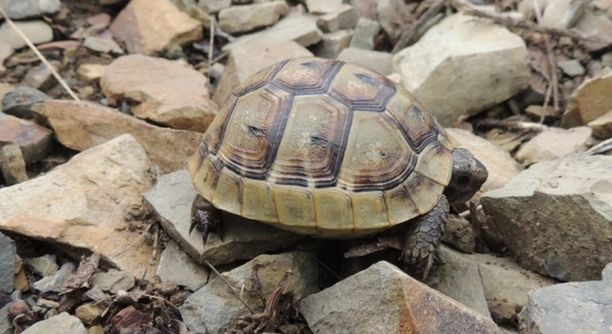
Creating a safe outdoor pen for your Greek tortoise is essential for its health and well-being. With the right environment, your tortoise will thrive in a secure, natural space. This guide outlines how to make that happen.
To create a safe outdoor pen, you must consider several factors like secure fencing, natural shelter, and proper ventilation. Ensuring the pen is escape-proof while providing ample space for movement and protection from predators is crucial.
With these simple tips, you’ll be able to craft an environment that will keep your tortoise comfortable and protected.
Choosing the Right Location for the Pen
When setting up a Greek tortoise pen, location is key. Select an area that gets plenty of sunlight, as these tortoises need warmth for proper digestion. The spot should also have some shade, so your tortoise can retreat from the sun when needed. Consider the ground—avoid areas with poor drainage, as your tortoise needs a dry, comfortable surface to move around on. Choose a relatively flat space that’s free from heavy foot traffic and other animals. A quiet spot will help keep your tortoise calm and avoid unnecessary stress.
Finding a balance between sun and shade is essential for your tortoise’s well-being. Too much sun can lead to overheating, while too little can result in sluggish behavior.
After choosing the right spot, make sure the ground is safe. Avoid areas with chemicals or pesticides, as they could harm your tortoise. Aim for a natural environment that mimics its native habitat to give it the best chance at a long, healthy life.
Creating a Secure Fence
A secure fence is crucial for keeping your Greek tortoise safe from predators and preventing escapes.
Fencing should be at least 18-24 inches high to ensure the tortoise can’t climb out. The material should be sturdy, such as wood, chicken wire, or metal mesh.
The base of the fence must be buried into the ground to prevent your tortoise from digging under it. Greek tortoises are known for their digging abilities, so be mindful of any potential escape routes. It’s also important to check the fence regularly for any weaknesses, especially after heavy rain or strong winds. Ensuring that the fence is tall, secure, and buried deep into the ground will keep your tortoise safe and sound.
Providing Adequate Shelter
Your Greek tortoise needs shelter from extreme weather. A simple wooden box or a small hut can provide the protection it needs from rain, wind, or too much sun. Ensure the shelter is well-ventilated and big enough for your tortoise to move around comfortably.
Place the shelter in a shady part of the pen. Tortoises often retreat to their shelters during the hottest parts of the day, so positioning it thoughtfully is essential. It should be easy for your tortoise to enter and exit, with a low threshold.
A properly designed shelter will also help regulate your tortoise’s body temperature. While it’s important to keep the shelter cool in summer, don’t forget that a warmer space will be necessary during colder weather. Consider adding bedding like straw or hay for extra comfort.
Ensuring a Safe and Natural Diet
Greek tortoises are herbivores, and providing them with a natural diet is key to their health.
Include a variety of leafy greens, grasses, and flowers in your tortoise’s pen. Ensure that the plants are safe and free from pesticides.
By including edible plants in the pen, your tortoise can forage naturally, which encourages physical activity and mental stimulation. However, keep in mind that some plants are harmful. Educate yourself about what’s safe and what’s toxic to avoid any issues. With a variety of fresh foods available, your tortoise will stay well-fed and healthy.
Providing Proper Ventilation
Ventilation is important to prevent the pen from becoming too hot or humid. Adequate airflow will ensure your tortoise stays comfortable, especially during warmer months. If your shelter is too stuffy, it can lead to health issues.
You can create ventilation by leaving small gaps or using mesh materials in the structure of the shelter. Proper airflow helps maintain a balance between heat and humidity, which is essential for your tortoise’s health.
A well-ventilated pen also minimizes the risk of mold or bacteria buildup. Regularly check the airflow and adjust the shelter if needed to ensure your tortoise has a safe, comfortable space.
Avoiding Predators
Protecting your tortoise from predators is essential. Ensure your pen is well-secured with no gaps where predators like raccoons, foxes, or stray animals can get in.
Make sure the enclosure has a secure top or overhead cover to prevent aerial predators from attacking. Regularly check for any damage or weaknesses in the fence to keep your tortoise safe from harm.
Ensuring Adequate Space
Greek tortoises need plenty of room to roam and forage. A cramped pen will make your tortoise feel stressed and uncomfortable.
It’s recommended that the pen be at least 8 feet by 8 feet, though a larger space is always better. The more space your tortoise has, the happier and healthier it will be.
FAQ
How do I know if my Greek tortoise is comfortable in its pen?
A comfortable tortoise will be active during the day, exploring its environment. If your tortoise is hiding too much or staying in one spot, it may be stressed or too hot/cold. Ensure the temperature is right and that the pen is large enough for it to move freely. Observe its eating habits as well—if it’s not eating, this could be a sign of discomfort.
What temperature should I maintain for my Greek tortoise?
Greek tortoises prefer warm environments. The temperature inside the pen should range from 75°F to 85°F during the day. The area where your tortoise spends the most time should be in this range, while cooler areas can drop to 65°F at night. A basking spot with direct sunlight should be around 90°F to 100°F to help with digestion.
Can I use a plastic shelter for my tortoise pen?
While plastic shelters are inexpensive, they’re not always ideal for a tortoise pen. They may lack proper ventilation, which is crucial for preventing humidity buildup. Wood or natural materials are better as they allow air to flow freely and keep the pen dry. However, if plastic is the only option, ensure it has proper ventilation.
How often should I clean the pen?
Cleaning should be done regularly to maintain a healthy environment. At least once a week, remove any waste or uneaten food. This will prevent the buildup of harmful bacteria and pests. You should also disinfect the pen once a month using a mild, non-toxic cleaner to ensure your tortoise stays healthy. Make sure to rinse the area well before putting the tortoise back.
Do I need to provide a water dish for my tortoise?
Yes, it’s essential to have a shallow water dish available at all times. Greek tortoises don’t always drink from it, but they need it for hydration and to help with their overall health. Make sure the dish is shallow enough for them to get in and out easily. Change the water daily to ensure it remains fresh.
What should I do if my tortoise isn’t eating?
If your tortoise stops eating, check the environment for any changes. It could be due to stress, temperature fluctuations, or poor food quality. Ensure the enclosure is the right size, the temperature is adequate, and the food is fresh. If the problem persists, consult a vet to rule out any health issues.
Can I keep my Greek tortoise with other animals?
Greek tortoises generally prefer to be solitary. Keeping multiple tortoises together can cause stress or territorial behavior. They may fight, especially if there’s not enough space. Other animals, such as dogs or cats, may pose a threat to your tortoise’s safety. It’s best to keep your tortoise alone in its pen for peace and safety.
How can I tell if the pen is escape-proof?
Ensure that the fence is buried at least 6 inches into the ground to prevent digging. The fence should also be tall enough to prevent climbing, ideally 18 to 24 inches. Inspect the pen frequently for weak spots, especially after storms or strong winds. It’s better to overdo it with the fence’s height and depth than risk an escape.
Should I feed my Greek tortoise store-bought food?
It’s best to feed your tortoise fresh, natural food, such as grasses, weeds, and leafy greens. Store-bought food may not have the right balance of nutrients your tortoise needs. If you do buy prepared food, make sure it’s specifically for tortoises and check the ingredients carefully to ensure quality.
How do I ensure my tortoise gets enough UVB light?
UVB light is essential for a tortoise’s shell and bone health. In an outdoor pen, natural sunlight provides UVB, but if your tortoise spends time indoors, you’ll need to use a UVB light. Make sure the light is placed close enough to your tortoise (but not too close) and replace it regularly, as UVB light decreases over time.
What should I do if my tortoise is digging a lot?
Digging is a natural behavior for Greek tortoises. It helps them regulate their body temperature and gives them a sense of security. However, if your tortoise is digging excessively, it might be looking for shelter, food, or escape. Check the pen’s design to make sure there are no escape routes or uncomfortable conditions that could cause this behavior.
Can I leave my tortoise outside all year round?
Greek tortoises can be kept outside during the warmer months, but they need to be brought indoors if temperatures drop below 50°F. They’re not suited for cold climates and could suffer from health problems in freezing conditions. During colder months, provide an indoor space that mimics their natural habitat.
Final Thoughts
Creating a safe outdoor pen for your Greek tortoise requires attention to detail, but it doesn’t have to be overwhelming. By focusing on the basics like proper space, temperature, and protection, you can give your tortoise a healthy, comfortable environment. A suitable pen should have enough room for your tortoise to explore and dig, with proper ventilation to avoid humidity and heat buildup. It’s also important to use natural materials when constructing the shelter and make sure the fencing is secure and escape-proof. Regular checks will ensure the pen remains safe and the environment stays stable.
As with any pet, consistency is key. Regular cleaning, checking for weak spots in the pen, and providing fresh food and water are essential parts of care. Also, be mindful of the specific needs of your tortoise. While they are hardy animals, they are also sensitive to changes in their surroundings. A stable, well-maintained environment will not only reduce stress for your tortoise but also promote better health and happiness. If you keep their pen comfortable, your tortoise will thrive in its outdoor habitat.
Lastly, remember that every tortoise is different. Some may require more attention or specific conditions depending on their health and age. Always observe your tortoise’s behavior and adjust its habitat as needed. With the right setup and care, your tortoise will enjoy a safe and fulfilling life in its outdoor pen. Taking these steps will give you peace of mind knowing that your tortoise is living in a secure, enriching environment.

Hello,
If you enjoy the content that we create, please consider saying a "Thank You!" by leaving a tip.
Every little bit helps us continue crafting quality advice that supports the health, happiness, and well-being of pets around the world, for pets of all shapes, sizes, and species.
We really appreciate the kindness and support that you show us!