
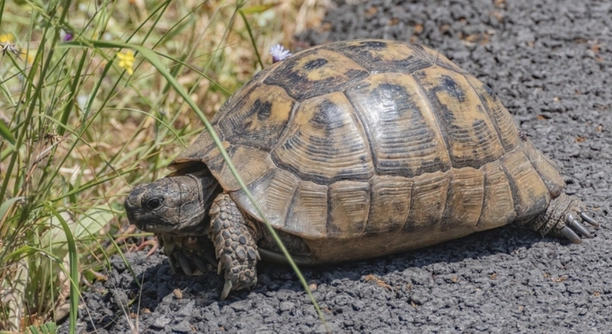
Is your Greek tortoise’s shell turning yellow? This change in color may seem unusual, but it’s not uncommon. Understanding the reasons behind it is crucial to ensuring your tortoise’s well-being. Keep reading to learn more.
The yellowing of your Greek tortoise’s shell is often a sign of a few possible causes, including dietary imbalances, improper lighting, or natural aging. It’s important to address these factors to maintain your tortoise’s health and comfort.
Identifying the reasons behind this change can help you correct any potential problems and provide the best care for your tortoise. From diet to environment, understanding the causes can improve their quality of life.
Poor Diet
One of the most common reasons behind a Greek tortoise’s shell turning yellow is poor diet. If your tortoise is not getting the right mix of nutrients, it can affect its shell and overall health. Greek tortoises need a balanced diet rich in fiber, calcium, and other essential minerals to maintain a healthy shell. A diet that is too high in protein or low in calcium can result in discoloration. It’s essential to provide a variety of leafy greens, vegetables, and safe grasses to keep their diet in balance.
Even small changes to their nutrition can lead to noticeable effects. If your tortoise is missing key vitamins and minerals, yellowing can occur over time. Make sure to monitor their intake and adjust accordingly. Calcium, in particular, is important for a healthy shell and bones.
Offering a balanced diet is not only about what to feed but also the frequency. Some foods, if given too often, can harm your tortoise. Understanding the best practices will help keep your tortoise in the best shape.
Lighting Issues
Another major factor behind yellowing can be inadequate lighting. Greek tortoises need access to proper UVB light to thrive. Without it, they can develop shell issues, such as yellowing, because UVB helps them absorb calcium. If your tortoise’s habitat lacks the proper lighting, it can affect their overall health.
UVB light is essential for calcium absorption and bone health. Without proper exposure to UVB, your tortoise may struggle with metabolic bone disease, which can lead to deformities and shell discoloration. Make sure the lighting in their enclosure mimics the sun’s natural rays, allowing them to absorb UVB throughout the day.
Along with UVB lights, having a basking spot where your tortoise can warm up is crucial. The right temperature gradient, along with proper UVB exposure, helps maintain a healthy shell and prevents further issues.
Poor Hydration
Dehydration is another factor that can contribute to yellowing in a Greek tortoise’s shell. If your tortoise isn’t drinking enough water, it can lead to dryness and shell discoloration. Hydration is crucial for overall health, so ensuring they have access to fresh water daily is essential.
Lack of hydration can also affect the skin and cause them to look less vibrant. Tortoises naturally get moisture from the plants they eat, but they may still need to drink directly from a shallow water dish. You can also soak your tortoise in warm water to help keep them hydrated.
Make sure to monitor your tortoise’s water intake closely, as dehydration can also cause other health problems. In some cases, adding a water bowl and creating a humid environment can encourage your tortoise to drink more regularly. Proper hydration will support a healthier shell and better overall well-being.
Inadequate Temperature
Temperature plays a big role in your tortoise’s health. If their habitat is too cold, their metabolism slows down, which can lead to shell problems, including yellowing. Make sure their enclosure has a proper heat source that maintains a consistent temperature.
The temperature range should be warm enough to allow for digestion and metabolic functions to occur properly. A basking area with a temperature between 90-95°F is ideal. Without the correct warmth, your tortoise’s body won’t function efficiently, and you may notice the shell becoming discolored or unhealthy.
When temperatures are too low, your tortoise may become sluggish, which can impact their eating and overall health. Ensuring a balanced temperature gradient in their environment allows them to regulate their body temperature and stay active. This, in turn, promotes a healthy, vibrant shell.
Stress
Stress can also lead to yellowing of your Greek tortoise’s shell. When they feel stressed, their immune system can be affected, and their overall health may decline. Stress can come from several sources, including improper housing, sudden changes in their environment, or too much handling.
It’s important to keep your tortoise’s habitat as consistent and calm as possible. Too much noise, frequent movement, or even an overcrowded space can cause stress, which may eventually show on their shell. A peaceful environment will help them feel safe and healthy.
Make sure your tortoise has enough space to move around freely. Adding hiding spots or structures that they can retreat to will also help reduce stress levels. A relaxed tortoise is more likely to have a healthy, vibrant shell.
Illness
Illness can cause yellowing, particularly if your tortoise is suffering from a fungal or bacterial infection. These types of infections can affect their shell’s appearance and overall health. If you notice unusual behavior, such as lethargy or lack of appetite, it’s important to seek veterinary help right away.
Fungal infections, in particular, can lead to discolored patches on the shell and should be addressed as soon as possible. If you suspect your tortoise has an illness, it’s best to have them examined by a vet to determine the exact cause and proper treatment.
Early diagnosis can prevent further complications. Left untreated, an infection can worsen and impact your tortoise’s ability to absorb nutrients, affecting their shell health as well. Timely veterinary intervention is key to ensuring they recover and their shell returns to its natural color.
Overexposure to Sun
Excessive exposure to the sun can also contribute to yellowing of the shell. While sunlight is necessary for your tortoise’s health, overexposure can cause the shell to dry out and become damaged. It’s important to balance sun exposure to prevent harm.
If your tortoise spends too much time in direct sunlight, it may not be able to cool down properly, leading to stress and dehydration. Protect them with shaded areas in their enclosure or ensure they can retreat from the sun as needed.
Why is my Greek tortoise’s shell turning yellow?
Yellowing of the shell is often due to several factors like poor diet, improper lighting, dehydration, or even stress. Nutritional imbalances, especially a lack of calcium or overfeeding protein-rich foods, can cause the shell to discolor. If the lighting is insufficient, it can prevent your tortoise from absorbing calcium properly. Hydration is equally important, as dehydration can lead to dryness and yellowing of the shell. Stress also plays a role in weakening the immune system, which may manifest as yellowing. These causes can be corrected with proper care.
How can I fix my tortoise’s yellow shell?
To fix yellowing, start by improving your tortoise’s diet. Offer a variety of leafy greens and vegetables that are high in calcium, and limit protein intake. Provide access to UVB lighting to help them absorb calcium and prevent further shell discoloration. Make sure your tortoise stays hydrated by giving them a shallow water dish and soaking them regularly. Check the temperature in their habitat to ensure they have a warm basking area and cooler spots to regulate their body heat. If stress is a factor, create a calm, spacious environment with hiding spots.
Can a yellow shell mean my tortoise is sick?
Yes, a yellow shell can sometimes be a sign of illness. Fungal or bacterial infections can cause patches of yellow or discolored areas on the shell. If your tortoise’s behavior changes, such as showing signs of lethargy or loss of appetite, this could indicate a health issue. Infections can also affect the tortoise’s ability to absorb nutrients properly, which could further impact shell health. If you suspect illness, take your tortoise to a vet as soon as possible for diagnosis and treatment.
How much UVB light does my tortoise need?
Greek tortoises need about 10 to 12 hours of UVB light each day. This light is crucial for calcium absorption, which supports a healthy shell and bones. Without adequate UVB exposure, tortoises can develop metabolic bone disease and their shell can begin to discolor. Ensure that the UVB bulb is placed at the correct distance, usually around 12 to 18 inches from the basking area, and replace it every 6 months, as UVB output decreases over time.
What are the signs that my tortoise is dehydrated?
Signs of dehydration in a tortoise include a dry or wrinkled skin texture, sunken eyes, and a lack of appetite. A dehydrated tortoise may also become lethargic or have difficulty moving. To prevent dehydration, make sure they have access to fresh water at all times and offer regular soaks in shallow warm water. Dehydration can affect the tortoise’s shell, causing it to become dry, brittle, and yellowish. Ensuring your tortoise stays hydrated is key to maintaining shell health.
Can stress cause my tortoise’s shell to change color?
Yes, stress can cause the tortoise’s shell to change color, particularly turning yellow. Stress weakens the immune system and can impact your tortoise’s overall health, including its shell. Common sources of stress include overcrowded enclosures, frequent handling, or a noisy environment. Creating a peaceful, secure habitat with plenty of space for your tortoise to move and hide can help reduce stress. By keeping them comfortable and minimizing disruptions, you can help prevent stress-related shell discoloration.
What should I do if my tortoise’s shell is turning yellow from overexposure to the sun?
While sunlight is essential for your tortoise, too much direct sun exposure can lead to shell damage and dehydration, resulting in yellowing. Ensure your tortoise has access to shaded areas where they can retreat from the sun when they need to cool down. Providing a balance of sun and shade allows your tortoise to regulate their body temperature and avoid sunburn or excessive dryness. If your tortoise is kept outside, always make sure there are options for them to escape direct sunlight when necessary.
How do I know if my tortoise’s shell is too dry?
A dry shell is often characterized by a rough texture, cracks, or a faded, yellowish color. If the shell feels brittle or flaky, it may indicate a lack of moisture. Dry conditions can result from low humidity or dehydration, so it’s important to keep the enclosure humid enough and provide regular soaking sessions. A humid environment combined with a consistent water supply will help keep the shell hydrated and prevent dryness. You can also check for any soft spots that might suggest a deeper health issue.
Can my tortoise’s shell recover from yellowing?
Yes, with proper care, a tortoise’s shell can recover from yellowing. The key is to address the underlying issue causing the discoloration. Improving diet, ensuring adequate hydration, providing UVB light, and minimizing stress are essential steps to promoting shell recovery. It may take some time for the shell to return to its natural color, but as long as the problem is resolved, your tortoise’s health should improve, and the yellowing may fade. Regular check-ups with a vet can also help monitor progress.
Taking care of your Greek tortoise involves paying attention to various factors that contribute to its overall health. If you notice your tortoise’s shell turning yellow, it’s important not to panic, but rather to identify the possible causes. Yellowing can be due to diet, lighting, hydration, stress, or environmental conditions. By understanding these factors, you can make adjustments to help your tortoise recover and stay healthy. A well-balanced diet rich in calcium and fiber, proper UVB lighting, hydration, and a stress-free environment can all contribute to a healthier shell and better overall well-being.
While it’s important to make environmental changes and adjust the tortoise’s care routine, monitoring your pet’s behavior is also key. If the yellowing persists or other signs of illness, such as loss of appetite or lethargy, become noticeable, it’s essential to seek professional advice from a veterinarian. Sometimes yellowing can be a sign of an underlying health issue that needs to be treated. By taking your tortoise to the vet, you can rule out any infections or other medical conditions that may be causing the discoloration. Regular check-ups can ensure your tortoise is thriving and free from health problems.
In conclusion, a yellow shell on a Greek tortoise is often a sign of a care issue that can be corrected with time and attention. Ensuring proper diet, UVB exposure, hydration, and a stable, stress-free environment will help your tortoise recover and stay healthy. With the right adjustments, you’ll likely see improvements in your tortoise’s shell color and overall condition. Always stay vigilant and make changes as needed to maintain a balanced and healthy life for your tortoise.

Hello,
If you enjoy the content that we create, please consider saying a "Thank You!" by leaving a tip.
Every little bit helps us continue crafting quality advice that supports the health, happiness, and well-being of pets around the world, for pets of all shapes, sizes, and species.
We really appreciate the kindness and support that you show us!