
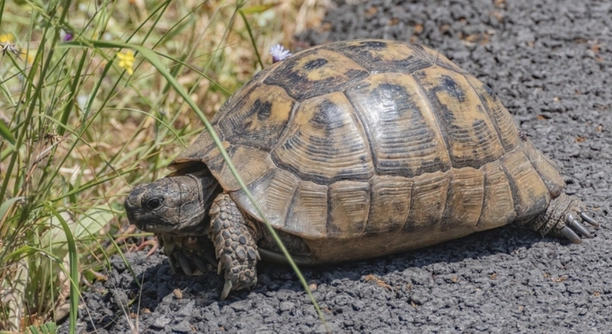
Greek tortoises are popular pets, known for their easygoing nature and relatively low maintenance. However, if you find your tortoise hiding all day, it can be concerning. Understanding the reasons behind this behavior is key.
There are several factors that can cause a Greek tortoise to hide, including temperature fluctuations, stress, or even health issues. They are naturally shy creatures, and changes in their environment may cause them to retreat to their hiding spots.
There are common reasons that could explain why your tortoise is spending so much time in hiding. Recognizing these will help ensure your pet stays happy and healthy in the long run.
Temperature Fluctuations and Their Impact
Greek tortoises are cold-blooded, which means they rely on external temperatures to regulate their body heat. If their enclosure is too cold or too hot, they may seek shelter to escape the uncomfortable conditions. This behavior is their way of avoiding stress caused by improper temperatures.
Ensure your tortoise has a temperature gradient in their habitat. A warm basking area and a cooler section should allow your tortoise to move between the two as needed. Keep the warm area around 85-90°F (29-32°C) and the cooler end around 70-75°F (21-24°C). This helps your tortoise maintain proper body function and stay active.
If you notice your tortoise hiding more than usual, double-check their habitat’s temperature. A consistent, comfortable environment is essential for your pet’s well-being. Temperature fluctuations can lead to a decrease in appetite, lethargy, and other health problems. Adjusting the heat source or relocating the enclosure to a more stable area can help your tortoise feel safe and comfortable again.
Stress and Anxiety in Tortoises
Stress can make your tortoise retreat to its hiding spot more often.
Tortoises are sensitive to their surroundings, and changes in their habitat or routine may cause them anxiety. Loud noises, unfamiliar people or animals, and even too much handling can trigger stress. If you’ve recently moved your tortoise’s enclosure or added new pets to the household, these changes may cause them to hide more. Creating a calm, quiet space for your tortoise can help reduce stress.
Inadequate Lighting
Lighting plays a crucial role in the health of a Greek tortoise. If they don’t have enough UVB light, they may hide more often. UVB is essential for synthesizing vitamin D3, which helps in calcium absorption and bone health. Without proper lighting, they may become weak and lethargic.
Tortoises need both UVA and UVB rays to thrive. Make sure your tortoise has access to a good-quality UVB light source that is on for 10-12 hours a day. This light should be positioned close to the basking area, as it helps mimic natural sunlight. Additionally, make sure to replace UVB bulbs regularly, as they lose their effectiveness after several months, even if the light still appears to be on.
A lack of sufficient lighting can lead to health issues, including metabolic bone disease. This disease is painful and can cause your tortoise to retreat into hiding more often due to weakness. Providing proper lighting ensures your tortoise stays active and healthy. A well-lit environment helps them maintain their energy levels and stay engaged with their surroundings.
Poor Diet
A poor diet can significantly affect a tortoise’s behavior. If your Greek tortoise is hiding a lot, it could be due to nutritional imbalances. A diet lacking in essential vitamins and minerals can lead to lethargy and discomfort, causing them to withdraw.
A Greek tortoise’s diet should be rich in leafy greens, such as dandelion greens, collard greens, and kale. Offering a variety of grasses, vegetables, and some fruits can help balance their diet. Calcium and fiber are important for their digestion and overall health. Make sure to avoid feeding them too many high-protein foods like animal-based proteins, as this can cause kidney problems.
Make sure to offer your tortoise fresh food daily and ensure that it is free from pesticides or harmful chemicals. The proper diet is essential to prevent issues like constipation or poor growth, both of which could cause your tortoise to hide more often due to discomfort. The right nutrition supports their immune system and overall well-being.
Illness or Injury
If your tortoise is hiding more than usual, it may be trying to cope with illness or injury. Tortoises tend to be good at hiding their pain, making it hard to spot any underlying issues right away. Look for other signs such as a lack of appetite or unusual behavior.
Check for any signs of injury, like limping or swelling, and monitor their eating habits. If your tortoise is acting lethargic, or if you notice any discharge from their eyes, nose, or mouth, this could indicate an infection. An ill tortoise will often seek out quiet, dark places to rest and recover.
It’s important to act quickly if you suspect your tortoise is unwell. A vet specializing in reptiles can help determine if there’s an underlying issue. Catching illness or injury early can prevent further complications and ensure your tortoise gets the treatment it needs to recover fully.
Mating Behavior
Mating season can cause changes in your tortoise’s behavior. During this time, Greek tortoises might hide or become less active, especially if they are trying to avoid the attention of a potential mate.
This behavior is entirely natural and not a cause for concern. When mating season arrives, the increased hormone levels may cause them to retreat, even if there’s no immediate mate nearby. However, if your tortoise seems stressed or overly withdrawn, it’s still worth keeping an eye on their overall health.
Age-Related Behavior
Older tortoises may hide more often as they slow down with age. As your tortoise matures, you might notice it becoming more reclusive and less active than before.
This behavior is typical as they conserve energy. Keep in mind that an older tortoise may also experience joint pain, affecting their movement. This could lead them to seek out hidden, quiet spots to rest. Regular check-ups will ensure age-related changes don’t develop into more serious health concerns.
FAQ
Why is my Greek tortoise not eating and hiding?
If your Greek tortoise is hiding and not eating, it could be due to stress, illness, or environmental issues. Stress can occur from changes in the environment, such as moving the enclosure, adding new pets, or loud noises. It could also be due to improper temperature or lighting. If the conditions aren’t right, your tortoise might seek shelter. Health issues like respiratory infections or parasites can also cause loss of appetite. Monitor their behavior closely and consider taking them to a vet if they refuse food for more than a day or show other signs of illness.
How can I help my tortoise feel more comfortable?
To help your tortoise feel more comfortable, make sure its enclosure is set up correctly. Provide a temperature gradient with a warm basking area (85-90°F) and a cooler spot (70-75°F). Ensure proper UVB lighting for at least 10-12 hours daily, and maintain a clean, safe environment free from stressors. Offer fresh, varied food like leafy greens, grasses, and occasional fruits. Give your tortoise a quiet, secure space where it can retreat when feeling stressed. Reducing handling and providing consistent care can also help your tortoise feel more at ease.
How do I know if my tortoise is sick?
If your tortoise is hiding more than usual, seems lethargic, or isn’t eating, it may be sick. Other signs include nasal discharge, swelling, difficulty moving, or unusual droppings. A change in shell appearance, like softness, cracks, or discoloration, could indicate a health problem. If your tortoise has an obvious injury or shows signs of pain, it’s important to get them checked by a vet. Ill tortoises often withdraw to hidden spots in an attempt to rest and recover. Don’t wait too long—early detection is key for a quick recovery.
Can stress cause a Greek tortoise to hide?
Yes, stress can cause a Greek tortoise to hide. Tortoises are sensitive to changes in their environment. Loud noises, unfamiliar people or animals, or sudden changes in their habitat can make them feel unsafe. They may retreat to a hiding spot as a way to cope with the stress. Overhandling can also stress them out, leading to increased hiding. If your tortoise is under stress, try to reduce disruptions in its environment and make sure its habitat remains quiet and stable. Creating a secure space can help your tortoise feel more comfortable.
Should I be worried if my tortoise hides a lot during the winter?
It’s not unusual for Greek tortoises to hide more during colder months. As cold-blooded animals, they need warmth to stay active, and during winter, they might reduce their activity and seek out warmer spots. If your tortoise has a proper heat source, it’s likely just conserving energy. However, if the temperature in their enclosure is too low or if they are not eating, this could be a sign of a bigger issue. Keep track of the temperature, and ensure the heating elements are working well. If you notice prolonged inactivity or other signs of illness, consult a vet.
How much hiding is too much for my tortoise?
Tortoises can be shy and may retreat to their hideout when they feel stressed or when their environment isn’t ideal. However, if your tortoise is hiding excessively (for days on end) or refusing to eat, this could indicate a problem. It’s important to monitor your tortoise’s overall behavior. If they are hiding more than usual, check for changes in their environment—temperature, lighting, or stressors like noise or other pets. A sudden shift in behavior could also point to health issues, so keep an eye on any other signs and consult a vet if necessary.
Can a tortoise hide because of boredom?
Yes, boredom can cause a tortoise to hide more often. If the enclosure lacks enough enrichment or space for exploration, your tortoise may retreat into its hiding place due to lack of stimulation. Ensure the habitat is big enough for your tortoise to move around and includes places to explore, like rocks, logs, or safe plants to climb or graze on. Providing a variety of activities, like different textures and hiding spots, can encourage natural behaviors and prevent your tortoise from becoming overly reclusive. Regularly changing the environment can help prevent boredom.
Is it normal for my tortoise to hide after eating?
Yes, it’s normal for your tortoise to retreat after eating, especially if they feel full or need time to digest. Tortoises often seek out quiet places to rest after a meal. As long as your tortoise is eating and drinking regularly and doesn’t show any signs of distress, this behavior is typical. It’s important to make sure the environment is still comfortable for them after eating, with access to warmth and a quiet space. However, if your tortoise is hiding immediately after every meal and not eating, this could indicate an issue.
Why is my tortoise hiding but still active at night?
Some tortoises, including Greek tortoises, are more active during dawn and dusk. If your tortoise hides during the day but is active at night, it might simply be following its natural circadian rhythm. Tortoises tend to avoid intense light or heat during the day and prefer cooler, quieter times. As long as your tortoise is eating, drinking, and behaving normally, this isn’t necessarily a problem. You can try adjusting their lighting and temperature to see if it encourages daytime activity, but if they seem healthy, nighttime activity isn’t usually a cause for concern.
Final Thoughts
Greek tortoises are fascinating creatures that can display a variety of behaviors based on their environment, health, and natural instincts. If your tortoise is hiding more than usual, it’s important to pay attention to the details in its habitat. Factors such as temperature, lighting, diet, and stress all play significant roles in their overall well-being. Ensuring that your tortoise’s living space is comfortable and secure can help reduce excessive hiding and support their overall health.
If your tortoise seems to be hiding frequently, start by checking the temperature and lighting. Make sure the temperature gradient in their enclosure is suitable for them to move between warmer and cooler areas. Proper UVB lighting is also critical for their health, so make sure the light source is effective and replaced regularly. Adjusting these factors may help encourage your tortoise to be more active and less likely to retreat. However, remember that tortoises are naturally shy animals, and hiding is part of their instinct.
If adjusting the environment doesn’t resolve the issue, consider looking into their diet, stress levels, and potential health problems. A balanced diet rich in leafy greens, calcium, and fiber will ensure your tortoise stays strong and healthy. Make sure the space is calm and free from loud noises or other stressors. If all else fails, it’s a good idea to take your tortoise to a vet for a check-up. Keeping a watchful eye on any changes in behavior, and addressing them early, will help your tortoise live a long, healthy life.

Hello,
If you enjoy the content that we create, please consider saying a "Thank You!" by leaving a tip.
Every little bit helps us continue crafting quality advice that supports the health, happiness, and well-being of pets around the world, for pets of all shapes, sizes, and species.
We really appreciate the kindness and support that you show us!