
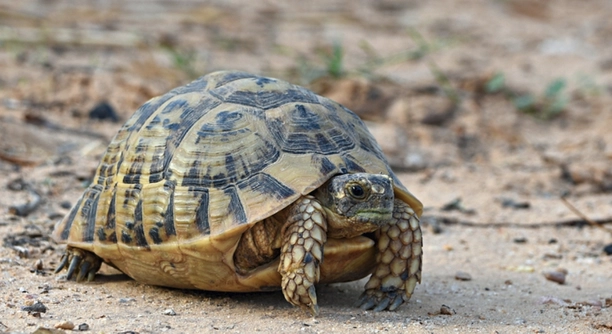
As your Greek tortoise prepares for hibernation, it’s important to recognize the signs. Understanding their behavior and body changes can help you ensure a smooth and safe transition into their natural winter sleep.
Greek tortoises display specific behaviors before hibernation, including reduced activity, appetite changes, and seeking out a hiding spot. Their body temperature drops as they prepare to enter a dormant state, conserving energy for the winter months.
Knowing when your Greek tortoise is preparing for hibernation will help you provide the right care and environment. Understanding their signs will ensure a safe and comfortable transition.
Reduced Activity Levels
As your Greek tortoise starts preparing for hibernation, one of the first signs you’ll notice is a decrease in their activity. They will spend more time in one spot, seemingly resting more than usual. This is their natural instinct telling them it’s time to slow down and conserve energy for their long winter sleep. If you usually see them roaming around actively, expect to see them less mobile as they begin to adjust their behavior for hibernation.
It’s important to provide a quiet, low-stress environment during this period to help them settle comfortably. Keep in mind that their movements will become more sluggish and minimal as they approach hibernation. This drop in energy usage allows their body to begin the preparation process for a safe, energy-efficient hibernation phase.
Tortoises in this stage will also stop engaging in social behaviors, avoiding interaction with other pets or humans. This is completely normal and should not be seen as a cause for concern. Instead, you can focus on monitoring their health closely, ensuring they are hydrated and well-fed until they begin their natural sleep cycle. Their lack of activity is simply their body telling them it’s time to rest.
Loss of Appetite
Another key sign that your Greek tortoise is getting ready to hibernate is a noticeable loss of appetite. They will gradually eat less and eventually stop eating altogether. This is part of their natural cycle and signals that they are ready to enter a dormant state.
During this time, their metabolism slows down, and their need for food decreases significantly. If they stop eating for several days, it’s essential to monitor their hydration levels to make sure they remain healthy. You can offer fresh water regularly to keep them hydrated while they prepare for the colder months.
The loss of appetite may seem concerning at first, but it is a standard part of the hibernation process. Ensure that they are in a safe, quiet space where they can rest without being disturbed. You’ll know it’s time for their winter sleep when they refuse food and appear less interested in eating.
Seeking Hiding Spots
As the days get shorter and temperatures drop, your Greek tortoise may begin searching for a quiet place to settle down. They instinctively seek out a hidden, secure area where they can hibernate safely. This behavior indicates that they are ready to enter their dormant state and is a clear sign they are preparing for hibernation.
Tortoises may hide under leaves, rocks, or in dark corners of their enclosure. They may dig into the substrate or find a secluded space where they can feel safe and insulated from the cold. If you notice this behavior, it’s time to make sure their environment is set up for hibernation.
Creating an ideal hiding spot can help them feel secure. Ensure the area is dry, dark, and cool but not freezing. You can also add some extra bedding to mimic the conditions they would experience in the wild. Keep the area quiet and undisturbed to allow them to settle in.
Temperature Drop
Your Greek tortoise’s behavior and body temperature will naturally shift as they prepare to hibernate. They will instinctively seek out cooler areas in their environment, reflecting the changing seasons. This temperature drop signals the body’s need to enter hibernation, reducing energy consumption.
It’s important to monitor the temperature closely as it gets colder. While the tortoise will naturally adjust, make sure their enclosure stays within an appropriate range. Too much fluctuation in temperature can cause stress and lead to health issues. Try to maintain a consistent, cool environment without drastic changes that could interfere with their natural rhythms.
If their temperature falls too low or fluctuates too much, they might not enter a full hibernation, which could affect their overall health. Ensure the space they use for hibernation is cool, but also be mindful not to let it dip below freezing.
Weight Loss
Before entering hibernation, your Greek tortoise may start losing weight. This is a natural part of their preparation process as their body uses stored fat for energy. Weight loss will typically happen gradually and should not cause alarm if the tortoise is otherwise healthy.
Keep track of their weight over time to ensure that the loss is not excessive. A small amount of weight loss is normal, but significant or sudden weight loss may indicate a health issue. Ensure that they are still eating well before this phase begins.
Increased Resting
As your Greek tortoise prepares for hibernation, you’ll notice them resting more. They will spend extended periods in one spot, showing little interest in moving around. This change in behavior is their way of conserving energy before their long winter sleep.
During this time, avoid disturbing them unless absolutely necessary. Their instinct to rest is a sign they are entering hibernation mode. They may withdraw even more, preferring to stay in a quiet, undisturbed area to begin their hibernation cycle.
Slower Movements
Another indicator that your Greek tortoise is preparing for hibernation is a significant slowdown in their movements. They will become sluggish and less active as their body’s metabolism naturally begins to slow down. This is their way of conserving energy for the upcoming months.
You may notice that they move less quickly or spend much more time in one place than usual. This behavior should not be mistaken for illness, as it’s simply part of their transition into a hibernating state. Their movements will become even more minimal as hibernation approaches.
FAQ
How long do Greek tortoises hibernate?
Greek tortoises typically hibernate for around 2 to 3 months. The exact duration depends on factors such as temperature, their health, and environmental conditions. Some may hibernate slightly longer if the climate is colder, but it’s important to monitor them closely during this time.
Should I wake my tortoise during hibernation?
No, it’s best not to disturb your Greek tortoise during hibernation. Waking them can disrupt their natural process and may cause unnecessary stress. It’s important to allow them to complete their hibernation cycle undisturbed. If you are concerned about their health, consult a veterinarian.
Can I feed my Greek tortoise before hibernation?
Yes, you can feed them up until they show signs of reduced appetite. It’s important to ensure they are well-fed before hibernating, but their intake will naturally decrease as they prepare to sleep. A balanced diet of leafy greens and occasional protein is ideal.
How can I prepare my Greek tortoise for hibernation?
To prepare for hibernation, gradually reduce their food intake as their appetite decreases. Ensure their environment is cool, dry, and free from freezing temperatures. Check that they are healthy before hibernating, and ensure they have a safe hiding spot to rest.
Is it safe to let my tortoise hibernate indoors?
Yes, hibernating indoors is generally safe as long as you can provide a cool, stable environment. Many owners use a refrigerator or a cool room to mimic outdoor conditions. Make sure the temperature stays consistent and monitor them throughout the process.
What temperature should my Greek tortoise be kept at during hibernation?
The ideal temperature for Greek tortoises during hibernation is between 40-50°F (4-10°C). It’s important to maintain a cool but not freezing environment. A steady, cool temperature helps regulate their metabolism without putting them at risk of freezing or overheating.
What if my tortoise doesn’t want to hibernate?
If your Greek tortoise is showing no signs of hibernation, it might be due to environmental conditions, age, or health concerns. Some tortoises may not hibernate every year, especially younger ones or those living in warmer climates. If you’re unsure, consult a vet to rule out health issues.
Can my Greek tortoise get sick during hibernation?
While hibernation is a natural process, there are risks if the environment is not properly maintained. Low temperatures, incorrect humidity levels, or weight loss issues can lead to sickness or complications. Regularly check their weight and overall condition before and during hibernation.
How do I know if my Greek tortoise is ready to hibernate?
When your Greek tortoise starts reducing activity, losing appetite, and seeking out hiding spots, these are clear signs they are ready to hibernate. Ensure they are in good health before starting the process, and check that the environment is suitable for hibernation.
Can I hibernate my Greek tortoise without a hibernation box?
Yes, you can use other methods, such as a cool room or a controlled environment, as long as it remains safe and stable. A hibernation box is often used to keep them secure, but as long as the conditions are right, they can hibernate in other spaces as well.
What should I do if my tortoise wakes up early from hibernation?
If your tortoise wakes up before the expected time, don’t force them back into hibernation. Gently check their condition and ensure they are hydrated and safe. If they show signs of stress or weakness, consult a vet for guidance.
How do I handle a tortoise that refuses to hibernate?
If your Greek tortoise refuses to hibernate, it might be due to stress, an illness, or environmental factors. Make sure their enclosure is quiet, cool, and secure. If the refusal to hibernate continues, consult a veterinarian to check their health and environment.
Should I let my tortoise hibernate outside?
If you live in a mild climate where temperatures don’t drop below freezing, outdoor hibernation can be fine. However, it’s crucial to create a safe, insulated area for your tortoise to ensure they stay protected from extreme weather. In colder climates, indoor hibernation is usually safer.
What signs indicate that my tortoise might not be healthy before hibernation?
If your tortoise is unusually lethargic, losing excessive weight, or has visible signs of illness like runny nose or abnormal stool, these could be signs of health problems. It’s essential to ensure they are healthy before beginning hibernation, and if needed, seek a vet’s advice.
Can I hibernate multiple tortoises together?
It is generally not recommended to hibernate multiple tortoises together, especially if they have different needs. Keep each tortoise in its own separate area to avoid stress and potential aggression. It’s best to allow each tortoise to hibernate in an environment suited to its individual needs.
How do I monitor my tortoise during hibernation?
It’s a good idea to check your tortoise every few weeks while they are hibernating. Make sure they are not losing too much weight, staying hydrated, and not showing signs of distress. If they do wake up early, monitor them carefully for any signs of health issues.
What if my tortoise starts eating again during hibernation?
If your Greek tortoise starts eating during hibernation, this may be a sign that their environment is too warm or inconsistent. Gradually return them to their cooler environment, as their body should remain dormant. If the behavior persists, seek advice from a reptile specialist.
Final Thoughts
Preparing for your Greek tortoise’s hibernation is a crucial part of ensuring their long-term health. By understanding the signs that your tortoise is getting ready to hibernate, such as weight loss, increased resting, and slower movements, you can make sure that they enter this period safely and naturally. It’s important to create the right environment for them, whether indoors or outdoors, so they can rest without disturbance. Monitoring their health and making sure they are fit for hibernation will reduce the risk of complications during this time. Ensuring their habitat is cool, dry, and free from freezing temperatures is also essential.
During hibernation, it’s vital to avoid disturbing your tortoise, as this can cause unnecessary stress and affect their ability to hibernate properly. Keep their environment stable, with temperatures ranging from 40-50°F (4-10°C), and make sure they have a quiet, secure space to rest. Regularly check on them to make sure they are not losing excessive weight or showing signs of illness. It’s best to leave them undisturbed unless you are concerned about their health. If you notice anything unusual, consult a veterinarian immediately. Their overall health before hibernation plays a significant role in a safe and successful hibernation process.
Once hibernation is complete, your Greek tortoise will gradually wake up as the seasons change. After they have come out of hibernation, give them time to adjust to their surroundings before resuming their regular feeding routine. Monitor their behavior closely in the weeks following hibernation to ensure they are recovering well and are back to their active, healthy selves. With proper preparation and care, your Greek tortoise will be able to hibernate successfully and emerge ready for the next chapter of their life. Taking the necessary steps to ensure they are ready for hibernation will help them live a long, healthy life.

Hello,
If you enjoy the content that we create, please consider saying a "Thank You!" by leaving a tip.
Every little bit helps us continue crafting quality advice that supports the health, happiness, and well-being of pets around the world, for pets of all shapes, sizes, and species.
We really appreciate the kindness and support that you show us!