
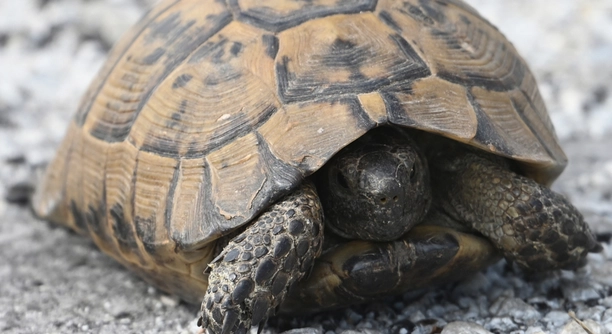
It can be difficult to tell whether your Greek tortoise is in good health, as these reptiles are known for their slow movements and calm demeanor. However, there are key signs that can help you assess their wellbeing.
To determine the health of your Greek tortoise, observe their behavior, appearance, and environment. Healthy tortoises are active, alert, and have clear eyes. Check for signs of respiratory issues or abnormal shell condition, which can indicate health problems.
By understanding these signs, you can provide the best care for your tortoise and catch potential health concerns early.
Observing Your Greek Tortoise’s Activity Level
One of the best ways to gauge the health of your Greek tortoise is by monitoring its activity level. A healthy tortoise will move around regularly, showing curiosity and energy when exploring its habitat. If you notice a significant decrease in activity, it could indicate an underlying issue, such as illness or stress. Keeping track of how much time your tortoise spends eating, resting, and walking can help you spot any changes that may need attention. Tortoises that are too inactive for extended periods should be closely observed and, if necessary, taken to a veterinarian.
Keeping your tortoise’s activity level in check allows you to assess its overall well-being. Regular exercise is essential for its physical health and mental stimulation.
Additionally, it’s important to assess whether the environment is conducive to your tortoise’s needs. Temperature, lighting, and space all play a vital role in maintaining your tortoise’s health. If the conditions are not right, this can lead to lethargy. Adjusting these factors will ensure your tortoise remains active and healthy.
Checking for Respiratory Issues
Respiratory problems are common in reptiles and can often go unnoticed until they become severe.
If your Greek tortoise has nasal discharge, labored breathing, or a wheezing sound when breathing, it may be suffering from a respiratory infection. In addition, watery eyes or swelling around the face are other symptoms to watch for. These signs can be early indications of an infection that needs immediate treatment.
Greek tortoises are prone to respiratory issues due to their sensitive respiratory systems. These problems can be caused by an inappropriate temperature or humidity level in their habitat. It’s crucial to ensure that your tortoise has access to clean, dry air and a proper temperature gradient in its enclosure. Sudden changes in temperature or exposure to drafts can easily lead to respiratory infections. If you notice any of the signs mentioned, it’s best to consult a vet who specializes in reptiles to diagnose and treat the issue before it worsens.
Monitoring Behavior
A healthy Greek tortoise will show consistent, active behavior.
If your tortoise is hiding more than usual or acting lethargic, it could be a sign of stress or illness. Healthy tortoises are curious, exploring their environment regularly. They may burrow, forage for food, or climb over obstacles in their habitat. Consistent behavior is a good indicator of overall health.
Environmental Conditions
The right habitat setup is essential for your tortoise’s well-being.
Ensure that your Greek tortoise has a spacious enclosure with access to areas of heat and coolness. Proper lighting, particularly UVB rays, is crucial to support its calcium absorption and shell health. A thermometer and humidity gauge are also necessary tools to monitor conditions accurately.
Checking for Parasites
Parasites can affect the health of your Greek tortoise, often causing weight loss or lethargy.
Signs of parasites may include abnormal stools, loss of appetite, or excessive scratching. If you suspect your tortoise has parasites, it’s best to consult with a vet who specializes in reptiles. Early detection and treatment can help prevent further complications. Regular fecal exams are important for maintaining your tortoise’s health.
FAQ
How can I tell if my Greek tortoise is dehydrated?
A dehydrated tortoise will show physical signs such as sunken eyes, dry skin, or a lack of urination. Dehydration can also cause lethargy and a reduced appetite. Ensure fresh water is available at all times, and consider misting the enclosure to maintain proper humidity levels. If dehydration is suspected, consult a vet for treatment.
What temperature should my Greek tortoise’s habitat be?
The temperature in your Greek tortoise’s habitat should range from 75°F to 85°F during the day, with a basking area reaching around 90°F. At night, the temperature can drop to 65°F to 70°F. Ensure proper heating and UVB lighting to mimic natural conditions.
What do I do if my Greek tortoise isn’t eating?
If your tortoise stops eating, check its environment first. Stress, temperature imbalances, or a lack of proper lighting can cause loss of appetite. Ensure the enclosure is at the right temperature and humidity, and provide fresh, varied food. If the problem persists, a vet visit is recommended.
How often should I feed my Greek tortoise?
Greek tortoises should be fed every other day or about four to five times a week, depending on their age and size. Provide a variety of leafy greens and some flowers. Overfeeding fruit can lead to obesity, so limit its inclusion in their diet.
What are the signs of a respiratory infection in Greek tortoises?
Signs of respiratory infections include nasal discharge, wheezing, or labored breathing. The tortoise may also have watery eyes and a swollen face. If you notice these symptoms, it’s important to take your tortoise to a vet promptly to avoid complications.
How can I ensure my Greek tortoise gets enough calcium?
A proper diet, including dark leafy greens such as kale and collard greens, will provide calcium. Additionally, providing a calcium supplement, typically in the form of a calcium powder, can help ensure your tortoise’s bones and shell stay strong. Be sure to include UVB lighting to aid in calcium absorption.
Can I house multiple Greek tortoises together?
Housing multiple Greek tortoises together can be tricky. They can be territorial and may show aggression toward each other, especially if they are males. It’s best to house them separately unless the enclosure is large enough to provide ample space for each tortoise to have its own area.
What should I do if my Greek tortoise’s shell is soft?
A soft shell may indicate a calcium deficiency or metabolic bone disease. Ensure your tortoise is getting enough calcium and UVB lighting. Consult a vet if the issue persists, as this can lead to serious health problems.
How can I prevent my Greek tortoise from becoming overweight?
Overfeeding, particularly with high-calcium foods like fruits, can lead to obesity. Focus on offering a balanced diet that includes plenty of leafy greens and grasses. Monitor your tortoise’s weight and ensure it gets enough exercise by providing a spacious enclosure with room to roam.
Is it safe to take my Greek tortoise outside?
Taking your Greek tortoise outside can be beneficial if done carefully. Ensure the outdoor environment is free from predators, pesticides, or any chemicals. Always supervise your tortoise when outdoors and provide a shaded area for them to retreat to if they get too hot.
How can I tell if my Greek tortoise is stressed?
Signs of stress in Greek tortoises include hiding more often than usual, refusing food, and showing defensive behavior like hissing or attempting to bite. Environmental factors like temperature changes, noisy surroundings, or overcrowding can lead to stress. Make sure the habitat is peaceful, clean, and appropriately set up.
What should I do if my Greek tortoise is shedding its scutes?
Shedding scutes is normal for a growing tortoise. The process typically happens every year or so, depending on the tortoise’s age and health. If the shedding seems excessive or the shell appears damaged, consult a vet. In a healthy tortoise, scutes will shed without causing harm.
How can I handle my Greek tortoise safely?
Handling should be minimal, as tortoises can get stressed easily. Always support their entire body when picking them up, using both hands. Never grab them by the legs or tail, as this can cause injury. Keep handling sessions short and calm to prevent stressing them out.
What is the lifespan of a Greek tortoise?
Greek tortoises can live between 50 and 100 years with proper care. They need a stable environment, regular health checks, and a balanced diet to live a long, healthy life. Regularly monitoring their health and habitat will help ensure they thrive for many years.
How do I clean my Greek tortoise’s enclosure?
Regular cleaning is essential for maintaining a healthy environment. Spot clean daily by removing uneaten food and waste. Perform a more thorough cleaning of the entire enclosure every 1 to 2 weeks, wiping down surfaces with mild soap and water. Replace substrate regularly to keep the habitat fresh.
Final Thoughts
Caring for a Greek tortoise can be a rewarding experience, but it requires attention and consistency. These reptiles are hardy, but they still need the right environment to thrive. From providing proper lighting and temperature to offering a balanced diet, every aspect of their care plays a role in maintaining their health. Regular monitoring of their behavior and physical condition will help you spot any issues early, which is key to preventing long-term health problems. Greek tortoises may live for decades, so creating the best environment possible is crucial for their well-being and longevity.
It’s important to remember that Greek tortoises, like any pet, are individuals. Some may need more attention, while others may be more independent. Understanding your tortoise’s specific needs, such as their preferred food or basking habits, can make a difference in how well they adapt to their home. Over time, you’ll get to know their unique behaviors and preferences, making it easier to adjust their care routine. Keeping your tortoise’s habitat clean and safe will go a long way in promoting their health and happiness.
Lastly, regular vet checkups are essential to ensure your Greek tortoise stays in optimal health. Veterinarians familiar with reptiles can provide guidance on feeding, shell care, and disease prevention. By maintaining a good balance of diet, environment, and care, you can ensure your tortoise has the best chance at a long, healthy life. While the responsibilities can be demanding at times, the companionship and joy that come with caring for these fascinating creatures are well worth the effort.

Hello,
If you enjoy the content that we create, please consider saying a "Thank You!" by leaving a tip.
Every little bit helps us continue crafting quality advice that supports the health, happiness, and well-being of pets around the world, for pets of all shapes, sizes, and species.
We really appreciate the kindness and support that you show us!