
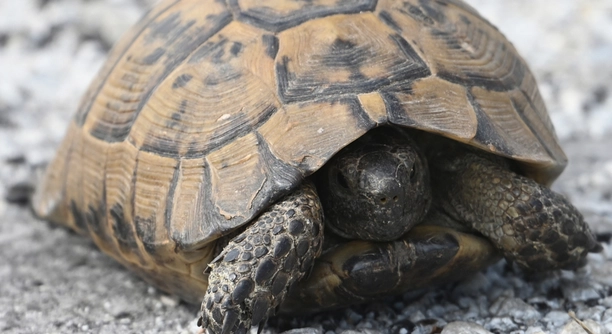
Greek tortoises are fascinating creatures, and their well-being depends on proper care, including hydration. Understanding how to meet their hydration needs is essential for their health and longevity.
Greek tortoises, like many reptiles, rely on a variety of food sources to stay hydrated. Certain foods, rich in water content, can help support their hydration levels, ensuring they stay healthy and active in their environment.
In this article, we’ll explore seven foods that can boost hydration for your Greek tortoise. Incorporating these foods into their diet will help ensure they get the moisture they need for optimal health.
Watermelon
Watermelon is a great choice for adding moisture to your Greek tortoise’s diet. It’s rich in water content, making it a refreshing snack that helps with hydration. When offering watermelon, ensure it’s cut into small, manageable pieces. This not only makes it easier for your tortoise to eat but also prevents the possibility of choking. The sweet taste can be an enticing treat, especially during the warmer months.
However, watermelon should only be given in moderation. Due to its high sugar content, too much can cause digestive issues, like diarrhea. It’s best to offer watermelon as a part of a varied diet, ensuring that your tortoise receives the right balance of nutrients. As with all fruits, it’s important to remove seeds before offering them to your pet, as they can be harmful.
By occasionally adding watermelon to your Greek tortoise’s meal plan, you can ensure they get extra hydration without overloading them with sugar. This simple yet effective food option is a valuable part of keeping your tortoise healthy and hydrated.
Cucumber
Cucumber is another hydrating food for your tortoise. It’s low in calories, full of water, and easy for your pet to digest. It’s a great way to boost hydration without overwhelming them with unnecessary sugar or fat.
Cucumber provides your Greek tortoise with essential hydration and also adds variety to their diet. Its mild flavor is usually well accepted, and it helps keep their digestive system functioning smoothly. When feeding cucumber, be sure to remove the skin if it’s waxed, as this can be difficult for your tortoise to digest.
Leafy Greens
Leafy greens, such as romaine lettuce, collard greens, and dandelion greens, are an excellent source of hydration. They have a high water content and provide your Greek tortoise with essential nutrients as well.
Greens also offer important vitamins and minerals that help your tortoise thrive. They can be easily incorporated into their regular diet and are typically enjoyed by most tortoises. A mix of different greens will provide variety and prevent them from getting bored with their food. Always wash the leaves thoroughly to remove any pesticides or dirt.
Make sure to offer leafy greens regularly, as they support both hydration and overall health. A diet rich in these vegetables helps maintain a healthy digestive system, strong bones, and a robust immune system. Keep in mind that some varieties should be fed in moderation, as some can be high in oxalates.
Peppers
Peppers are another hydrating food that can benefit your tortoise. They are rich in vitamins A and C, while also containing plenty of water to support hydration.
You can offer a range of bell peppers, such as red, yellow, and green, for variety. These can be chopped into bite-sized pieces for easy consumption. The vibrant colors and slightly sweet taste may encourage your tortoise to try them. Like with other foods, it’s important not to overfeed peppers as part of a balanced diet.
Peppers are not only hydrating but also provide antioxidants that support your tortoise’s immune system. They can be given alongside other vegetables or even as a treat. Just remember to remove the seeds before offering them to ensure they’re safe for your tortoise.
Zucchini
Zucchini is another hydrating vegetable your Greek tortoise can enjoy
FAQ
How often should I feed my Greek tortoise hydrating foods?
Hydrating foods should be offered regularly, but not as the only component of your tortoise’s diet. A good rule of thumb is to include a hydrating food at least every other day, ensuring a variety of nutrients. Greens, fruits, and vegetables can be given daily, while fruits like watermelon or strawberries should be offered as treats no more than once or twice a week. This will help prevent overloading your tortoise with sugar and keep their diet balanced.
Can I feed my Greek tortoise too much watermelon?
Yes, watermelon can be harmful if given in large quantities. Due to its high sugar content, feeding too much watermelon can lead to digestive upset, such as diarrhea. It’s best to limit watermelon to small, occasional servings. When offering watermelon, always cut it into manageable pieces and remove the seeds to avoid any choking hazards. Hydration is important, but balance is key.
What should I avoid feeding my Greek tortoise?
Some foods should be avoided due to potential health risks. Avoid feeding your Greek tortoise foods like iceberg lettuce, which offers little nutritional value, or high-oxalate vegetables like spinach, which can interfere with calcium absorption. Additionally, avoid feeding them human food such as processed snacks, dairy, or anything high in salt. It’s essential to stick to a diet made up of safe vegetables, fruits, and grasses.
Can I feed my Greek tortoise cucumbers with the skin on?
While cucumber skin is safe for your tortoise to eat, it’s important to check if it’s waxed. Some cucumbers are coated with wax to preserve freshness, which can be difficult for tortoises to digest. If you’re unsure whether the cucumber is waxed, peel the skin to be safe. Otherwise, it’s perfectly fine to offer the cucumber with skin on.
Should I provide water for my Greek tortoise daily?
Yes, it’s crucial to provide access to fresh, clean water every day. While hydrating foods help, they shouldn’t replace water. Tortoises can sometimes be reluctant to drink, so it’s important to monitor their hydration levels. You can also soak them in shallow water for 15-20 minutes a couple of times a week, which encourages them to drink and helps with hydration.
Is it okay to feed my Greek tortoise peppers every day?
Peppers are a healthy option, but they shouldn’t be the main food you offer your tortoise daily. They can be fed occasionally as a treat. Too much of any one food, including peppers, can lead to an imbalance in your tortoise’s diet. Variety is key to maintaining their health, so peppers should only be a small part of their overall diet.
Are strawberries safe for Greek tortoises?
Strawberries are safe for your tortoise and can be a tasty treat. They provide hydration and vitamins, but they should only be given in moderation. Too many strawberries can cause digestive issues due to their sugar content. Cut them into small pieces and remove any stems or leaves before serving.
What are the best leafy greens for my Greek tortoise?
Leafy greens are an essential part of a Greek tortoise’s diet. Some of the best options include collard greens, dandelion greens, and romaine lettuce. These options are packed with water and nutrients like calcium, which are important for shell and bone health. Always avoid greens that are high in oxalates, like spinach, as they can interfere with calcium absorption.
Can Greek tortoises eat tomatoes?
While tomatoes are not toxic, they should be fed with caution. They can be given in small amounts occasionally, but they should never be a staple of their diet. Tomatoes are high in acidity, which may cause digestive issues if consumed in excess. Always remove the seeds and skin, and serve them in moderation.
How can I tell if my Greek tortoise is dehydrated?
Signs of dehydration in Greek tortoises can include sunken eyes, lethargy, dry skin, and a lack of appetite. If you notice these symptoms, increase their hydration by offering more water-rich foods, such as cucumber or watermelon. You can also try soaking them in warm water to help with rehydration. If symptoms persist, consult a vet.
Final Thoughts
Keeping your Greek tortoise hydrated is an important part of their care. Providing them with water-rich foods, like watermelon, cucumber, and leafy greens, can help support their hydration needs. These foods not only contribute to hydration but also offer a variety of nutrients that support your tortoise’s overall health. A balanced diet with the right combination of hydrating foods, vegetables, and occasional fruits will keep your tortoise happy and healthy.
It’s essential to remember that hydration comes from both food and water. While hydrating foods help, you should still ensure your tortoise has access to fresh, clean water every day. Some tortoises might not drink enough water on their own, so it’s helpful to soak them in shallow water for 15-20 minutes a few times a week. This encourages them to drink and helps with hydration, especially if they are reluctant to drink from a bowl.
Offering a variety of hydrating foods, along with proper care and attention, will help your Greek tortoise stay healthy in the long term. By including these foods in their diet, you are helping to provide the hydration they need for optimal health. Always monitor their eating habits, and avoid overfeeding any one type of food to ensure a balanced and nutritious diet.

Hello,
If you enjoy the content that we create, please consider saying a "Thank You!" by leaving a tip.
Every little bit helps us continue crafting quality advice that supports the health, happiness, and well-being of pets around the world, for pets of all shapes, sizes, and species.
We really appreciate the kindness and support that you show us!