
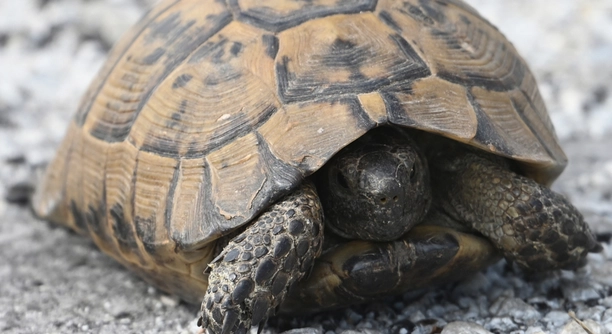
Greek tortoises, like many reptiles, have unique habits and needs. One common concern is when they stop eating during the colder months, which can be worrying for their owners. This article will explore why this happens.
During winter, Greek tortoises enter a natural period of hibernation, which causes them to stop eating. This behavior is influenced by their internal biology and environmental factors, such as temperature and light. Understanding this is key to their care.
We will break down the factors that lead to your tortoise’s winter fasting and give you advice on how to handle this season without worry.
Hibernation Triggers
As temperatures drop, Greek tortoises begin to feel the seasonal changes, which can trigger hibernation. This period of dormancy typically lasts through the colder months, where their metabolism slows down. During this time, eating becomes unnecessary since their body doesn’t require the same amount of energy. Their instinctual behavior is a natural response to the decrease in sunlight and cooler surroundings. If your tortoise stops eating around winter, it could be due to these environmental shifts, signaling that hibernation is setting in. It’s important to know that this is completely normal for tortoises, and it doesn’t necessarily indicate a health problem. While they slow down, they rely on stored energy reserves to survive the colder weather.
Even though hibernation is a normal process, owners should still monitor their tortoises to ensure they are not dehydrated or ill.
Proper care and observation will help you support your tortoise through this natural process, making sure they remain healthy. Keep in mind that not all Greek tortoises hibernate, and some may become less active during the colder months without fully going into hibernation.
Temperature and Environment
The temperature plays a major role in determining whether your tortoise will stop eating. A drop in temperature can prompt your tortoise to slow down or stop eating altogether.
Keeping your tortoise’s habitat at the right temperature is essential. If it’s too cold, they’ll want to retreat into a state of rest. Tortoises need a certain amount of warmth to remain active and eat regularly. If the temperature drops below their ideal range (70-75°F), their digestion slows down, and they may lose their appetite.
Additionally, your tortoise may be sensitive to any drastic changes in their environment. If you move their enclosure to a colder area or change the light cycle, this can disrupt their eating habits. Providing a warm, stable environment ensures they stay healthy and active during the colder months. A simple way to avoid this problem is by using heat lamps or under-tank heaters to maintain a comfortable temperature.
Light Levels
Reduced light levels are another factor that can cause your tortoise to stop eating. In winter, daylight hours decrease, which triggers their natural instincts to prepare for hibernation.
Your Greek tortoise relies on natural light cycles to regulate its internal clock. As days shorten in the colder months, their behavior shifts. This decrease in light not only lowers their energy levels but also signals their bodies to slow down, conserving energy. If you notice your tortoise eating less, it’s likely because they are responding to shorter daylight hours. To help manage this, you can mimic natural light cycles with artificial lighting, but don’t go beyond 12 hours of light per day.
Tortoises often rest or stop eating when the light levels are insufficient to encourage activity. If your tortoise isn’t getting enough light, you might see a decline in appetite, which is natural. However, it’s crucial to ensure that the enclosure still provides some warmth and light for their overall well-being.
Overfeeding
Overfeeding can lead to a decrease in appetite for your Greek tortoise during the winter months. Offering too much food before the cold season can disrupt their natural eating habits.
If your tortoise is regularly overfed, it may not feel the need to eat as much during winter. Their digestive system is still processing the food already consumed, and they may have no appetite left for more. In addition, feeding them too often can lead to obesity, which might make them less active. To prevent this, provide a balanced amount of food throughout the year and avoid overfeeding them as winter approaches. A steady routine will help them adapt better to their natural cycles.
Avoiding overfeeding ensures that your tortoise is not just eating enough, but the right amount to sustain them through winter. A balanced diet during the warmer months prepares them for hibernation without excessive weight.
Stress Factors
Stress can have a significant impact on your tortoise’s appetite, especially during the winter. Changes in their environment or routine can make them less likely to eat.
A stressed tortoise may stop eating because it feels uncomfortable or unsafe. Factors such as loud noises, unfamiliar scents, or changes in its habitat can lead to stress. To avoid this, try to keep their environment calm and consistent. Stress is more likely to affect your tortoise if it is already in a weakened state due to colder temperatures. Keep their space quiet and routine intact for better eating habits.
Illness or Injury
Health problems could be another reason your tortoise isn’t eating in winter. Illness or injury can make them lose interest in food.
If your Greek tortoise suddenly stops eating, it could be due to an underlying issue like an infection or injury. Look for signs such as lethargy, swelling, or discharge around their eyes or nose. If you notice these signs, it’s best to take your tortoise to a vet. Illnesses can slow down their metabolism, leading to decreased hunger and activity. Be proactive in maintaining your tortoise’s health to ensure it can enjoy its regular diet during the winter months.
Dehydration
Dehydration is another issue that can lead to a loss of appetite in your tortoise. Even in colder months, they still need access to water.
Tortoises often don’t drink enough water during the winter, which can affect their digestive system and cause them to stop eating. A dehydrated tortoise may show signs of lethargy or even develop shell problems. Make sure their water is clean and accessible at all times. In some cases, you may need to offer water via soaking to help your tortoise stay hydrated. A hydrated tortoise is much more likely to maintain its appetite and energy levels.
FAQ
Why does my Greek tortoise stop eating during the winter?
In winter, Greek tortoises often enter a state of dormancy or hibernation. This is a natural process where their metabolism slows down, reducing their need for food. Decreased light and cooler temperatures signal their body to conserve energy. This reduction in appetite is not a sign of illness but rather a biological response to the change in seasons. As long as their environment is stable and they show no signs of illness, this behavior is completely normal.
How can I tell if my tortoise is hibernating or sick?
It’s important to look for key signs when determining if your tortoise is hibernating or unwell. A healthy tortoise in hibernation will appear inactive, but its eyes should be clear and it won’t show any signs of respiratory distress. If your tortoise is lethargic, has mucus around the eyes or nose, or has a sunken shell, these could be signs of illness. A sick tortoise may still have a decreased appetite, but they often show more noticeable signs like swelling or unusual behavior. If you’re unsure, consult a vet.
Should I wake my tortoise up if it’s not eating?
If your tortoise is in a natural hibernation state, it’s generally best to leave it undisturbed. Waking them up could cause unnecessary stress and disrupt their hibernation cycle. However, if you notice signs of illness or dehydration, it’s best to gently wake them up and consult a vet. Always observe your tortoise for any signs of distress. If they seem overly lethargic or their conditions worsen, waking them up might be the safest option.
What temperature should my tortoise’s environment be during the winter?
The ideal temperature for a Greek tortoise during winter is between 50°F and 65°F. If the temperature drops below this range, they may not have enough warmth to properly digest food or remain active. Using a thermometer to monitor the temperature of the enclosure is key to ensuring your tortoise is in a safe environment. You may need to use heat lamps or ceramic heaters to maintain these temperatures. Avoid excessive heat, as that can interfere with their natural cycle and cause stress.
How often should I feed my tortoise during the winter?
You should feed your tortoise less frequently during the winter, especially if it is hibernating. Offer food only when it is actively eating, and ensure that the diet consists of high-fiber greens like dandelion greens, collard greens, or mustard greens. If your tortoise is still eating, feed it about two to three times a week. However, if your tortoise is hibernating or not showing interest in food, it’s okay to reduce feeding altogether. Always make sure fresh water is available, even if they’re not eating.
Can I handle my tortoise during the winter?
Handling your tortoise should be limited during the winter, particularly if it is entering or in hibernation. Excessive handling can disrupt its natural rhythm and cause unnecessary stress. However, if you need to check its health, try to minimize the handling time and only do so when necessary. Keep in mind that during hibernation, your tortoise’s body is in a more fragile state, and frequent handling may interfere with its rest.
How long can my tortoise go without eating?
A healthy adult tortoise can go without food for weeks or even months if it is hibernating, as it relies on fat stores built up during the warmer months. However, this depends on the tortoise’s health, age, and size. Hatchlings and younger tortoises may not have the same fat reserves and should not be left without food for extended periods. If your tortoise refuses to eat for longer than expected, and you’re unsure if it’s hibernating or ill, seek advice from a vet. Dehydration and other health concerns could be the cause.
Should I offer my tortoise water during the winter?
Yes, even though your tortoise may not be eating during the winter, it’s important to ensure they stay hydrated. Dehydration can lead to serious health problems. Offer fresh water regularly and consider soaking your tortoise in warm water every few days to ensure hydration, especially if they’re not drinking on their own. This can also help with digestion and overall health. Never leave stagnant water in the enclosure, as it can harbor bacteria.
What kind of food is best for my tortoise in winter?
During the winter months, focus on offering your tortoise high-fiber, low-calcium greens, such as dandelion greens, kale, and collard greens. These foods are easy on their digestive system and provide the necessary nutrients for when they are not eating as frequently. Avoid feeding them high-protein foods like lettuce or fruits, as these can disrupt their natural processes. Stick to a balanced diet that mimics what they would eat in the wild, and always remove uneaten food to prevent bacteria buildup.
Can I use a heat lamp for my tortoise in the winter?
A heat lamp can be helpful in maintaining a comfortable temperature for your tortoise during the winter months, especially if the ambient temperature is too low. Aim to provide a warm basking spot around 85°F to 90°F, while allowing cooler areas for your tortoise to regulate its body temperature. The key is ensuring the entire habitat isn’t too warm or too cold. Make sure the heat lamp is placed at a safe distance to avoid burns, and monitor the temperature regularly.
Final Thoughts
It’s completely normal for your Greek tortoise to stop eating during the colder months. This behavior is tied to their natural hibernation cycle, where their metabolism slows down due to reduced temperatures and shorter days. As their body prepares for rest, they do not require as much food or energy. It’s essential to understand that this is a normal part of their life cycle. While it can be concerning, especially if you’re not familiar with their habits, it’s important to recognize the signs and make sure your tortoise is in a suitable environment for hibernation.
However, there are some factors to consider. Make sure their habitat remains within the ideal temperature range, usually between 50°F and 65°F. Too much fluctuation in temperature can interfere with their hibernation and cause unnecessary stress. Providing a stable, quiet space can help your tortoise feel comfortable and secure. You should also monitor their hydration levels carefully, even if they are not eating. Dehydration is a serious concern, and regular water access is necessary. If your tortoise is not drinking on its own, offering it a soak can help maintain hydration during the winter months.
If you notice any unusual symptoms, such as lethargy, discharge, or signs of illness, don’t hesitate to contact a vet. While hibernation is natural, illness can sometimes mimic the signs of a tortoise preparing for dormancy. With the right care and monitoring, your tortoise should be able to navigate the winter months smoothly and come out healthy when the weather warms up again. Ensuring they have access to the right conditions and proper care will keep them on track for a healthy life.

Hello,
If you enjoy the content that we create, please consider saying a "Thank You!" by leaving a tip.
Every little bit helps us continue crafting quality advice that supports the health, happiness, and well-being of pets around the world, for pets of all shapes, sizes, and species.
We really appreciate the kindness and support that you show us!