
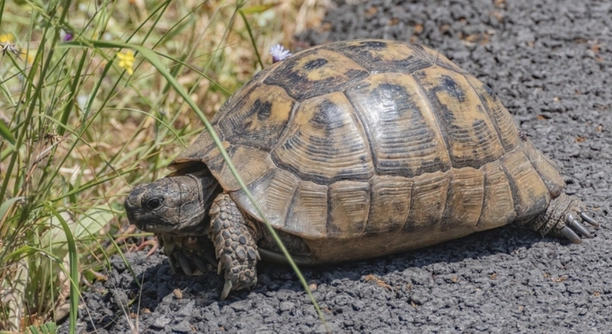
If you’ve noticed your Greek tortoise scraping its legs on hard surfaces, you’re not alone. This behavior might leave you puzzled, but there are several reasons it could be happening. Understanding the cause can help you keep your tortoise happy and healthy.
The main reason your Greek tortoise may scrape its legs on hard surfaces is due to a natural behavior for self-maintenance or exploration. It can also be caused by stress, habitat issues, or underlying health conditions like shell irritation or improper substrate.
By knowing the causes of this behavior, you can take steps to provide your tortoise with a more comfortable living environment and address any potential health concerns. Keep reading to learn more about the possible reasons behind this habit.
Natural Behavior: Scraping to Maintain Health
Scraping is a common behavior for Greek tortoises. They often rub their legs on surfaces to help remove dirt, debris, or even dead skin. This action can be a part of their natural grooming process. Tortoises have rough, hard skin that can sometimes accumulate particles, and scraping helps them maintain their hygiene. It’s a normal part of their behavior, especially in wild environments, where they might rub against rocks or trees.
If your tortoise is scraping, this could simply be its way of staying clean.
While it may seem odd, this action is completely natural. Ensuring your tortoise has a proper environment with places to scratch can actually support their well-being. However, if the scraping seems excessive, you may want to check their habitat for any other issues, such as rough surfaces that could be irritating their skin.
Habitat Issues: Hard Surfaces
Greek tortoises thrive in environments where they can roam freely. Hard surfaces, such as tiles or plastic enclosures, can cause discomfort over time. When your tortoise scrapes its legs on these surfaces, it could be a sign that they are trying to find a more comfortable spot or are experiencing stress from their environment.
If your tortoise is in a tank with no soft surfaces like dirt or grass, it may rub its legs as a reaction to discomfort. A natural environment helps them feel more secure and reduces stress, which can encourage healthy behaviors.
You should aim to create an environment that mimics their natural habitat, offering soft surfaces to scratch on and plenty of room to move around. This reduces the likelihood of excessive scraping and improves your tortoise’s overall well-being.
Stress: A Silent Trigger
Stress is another common cause of excessive scraping. Greek tortoises are sensitive creatures and can become stressed due to changes in their environment, improper temperature, or even overhandling. If your tortoise is feeling stressed, it may display various behaviors like leg scraping, pacing, or withdrawal.
When stressed, tortoises may scrape their legs more frequently. The action could be a way to release tension or simply a sign of discomfort. Ensuring your tortoise feels safe and secure in its environment is key. This includes providing a consistent habitat temperature, offering hiding spots, and limiting stressful interactions.
Long-term stress can impact their health and lead to other behavioral issues. Make sure your tortoise has a stable environment to help them avoid stress-related scraping behaviors.
Shell Irritation: When Scraping Becomes Excessive
If your tortoise’s shell is irritated, it might scrape its legs more frequently to relieve discomfort. This could happen if the shell is too dry, there are skin infections, or other irritants like chemicals in their habitat.
A healthy shell should be smooth and clean. If there are signs of flaking or roughness, your tortoise might try to scratch it away. Keep the shell properly hydrated, and avoid any harsh chemicals in their environment. Regularly check for signs of infection or injury and make sure their living space remains clean and safe.
Tortoises with irritated shells often become restless. Scraping their legs can be a way to deal with the discomfort or stress they feel from the irritation. Pay attention to changes in their behavior, especially if it becomes more frequent. Ensuring they have proper care, from humidity levels to substrate, can help reduce shell irritation. If the problem persists, a visit to the vet might be needed to rule out any health concerns.
Inadequate Substrate: Not Enough Variety
Substrate is crucial for a tortoise’s health. If the material in your tortoise’s enclosure is too hard or rough, it can lead to excessive scraping. A proper substrate allows your tortoise to dig, scratch, and move naturally.
Tortoises prefer a mix of soft, natural materials like soil, sand, or grass. If they’re kept on hard surfaces like plastic or tiles, their natural movements are restricted, and they may begin to scrape their legs as a result. Additionally, the lack of texture could lead to other health concerns, like poor foot and leg circulation.
To support your tortoise, make sure its enclosure includes enough variety in the substrate. Soft, natural materials encourage proper leg movement and scratching behavior, allowing your tortoise to express its instincts safely. Mixing in some natural items like leaves or branches can make the space feel more natural and stimulating, helping to reduce uncomfortable leg scraping.
Overgrown Claws: The Scraping Cause
Overgrown claws can contribute to leg scraping. When claws become too long, they may cause discomfort or even interfere with natural movement. Your tortoise may rub its legs on surfaces to adjust for the uneven pressure caused by the overgrown claws.
If you notice your tortoise scraping its legs, inspect its claws. Overgrown claws can make walking harder, leading your tortoise to scrape them against the ground. Regular nail trimming can prevent this from becoming a problem. It’s best to trim them carefully to avoid injury.
Improper Temperature: Stress from Heat
Greek tortoises require a consistent temperature range. If their environment is too hot or too cold, it can stress them out, leading to increased scraping.
Maintaining the right temperature helps your tortoise stay comfortable and healthy. If the temperature fluctuates too much, it might cause your tortoise to act out, including excessive scraping. Ensure you use a reliable thermometer and heat source.
Health Issues: Scraping as a Symptom
Sometimes, excessive scraping may be linked to a health issue. It could indicate pain, discomfort, or injury. Your tortoise might scrape its legs as a reaction to something physically wrong. If the behavior continues, it’s essential to consult a vet.
Why is my Greek tortoise scraping its legs constantly?
Constant scraping could be a sign of several things. It might be a natural behavior, like cleaning itself or managing excess skin. However, if it’s excessive, it may indicate underlying issues such as stress, shell irritation, or discomfort caused by an inadequate habitat. It’s important to check if your tortoise has enough soft surfaces to walk on or if its shell is showing signs of irritation. Also, consider whether the temperature and humidity in the enclosure are ideal for your tortoise’s needs. Excessive scraping can be a cry for help from your pet, signaling that something in its environment or health isn’t quite right.
Can stress cause my tortoise to scrape its legs?
Yes, stress is a common cause of excessive leg scraping. Tortoises are sensitive creatures, and environmental changes can lead to stress. This could be from loud noises, overhandling, sudden changes in temperature, or being kept in a small or inappropriate enclosure. When stressed, your tortoise might rub its legs against surfaces as a way of coping. If you think stress is the problem, it’s important to minimize disruptions and provide a stable environment with appropriate space, hiding spots, and consistent temperatures. Reducing handling can also help relieve stress and prevent scraping.
What should I do if my tortoise’s shell is irritated?
If your tortoise’s shell seems irritated, it’s crucial to take action. Look for signs of roughness, flaking, or infection. Shell irritation can sometimes cause your tortoise to scrape its legs more frequently. To help, ensure that your tortoise has a clean and proper environment with appropriate humidity levels, temperature, and soft, natural substrates like soil and grass. Avoid using harsh chemicals in the tank, as they can irritate the shell. If the irritation continues or worsens, you should take your tortoise to a vet for a checkup, as it might be an infection or a sign of other health problems.
Could hard surfaces in the enclosure be causing my tortoise to scrape its legs?
Yes, hard surfaces can cause discomfort for your tortoise, leading to scraping. Greek tortoises need a substrate that allows them to move naturally and scratch when needed. If your tortoise’s living space only contains hard materials like plastic or tiles, it may cause leg scraping. Adding softer, more natural substrates like soil, sand, or grass will encourage your tortoise to walk and explore without discomfort. Hard surfaces can also affect your tortoise’s feet, so using materials that mimic its natural habitat is essential for its health and happiness.
How can I improve my tortoise’s habitat to prevent leg scraping?
To reduce leg scraping, start by making sure your tortoise has enough space to roam. A cramped environment can lead to stress and discomfort. Add soft substrates like soil or grass, and avoid hard, slippery surfaces that can irritate its legs and feet. Ensure proper temperature and humidity levels, as improper conditions can also cause stress and discomfort. Adding hiding spots and objects for exploration can also make your tortoise feel more secure. Regular cleaning and removing any sharp objects or debris that might cause injury are important for maintaining a comfortable space.
Can my tortoise’s claws be causing it to scrape its legs?
If your tortoise’s claws have grown too long, they may cause it to scrape its legs. Overgrown claws can create discomfort while walking and may cause your tortoise to rub its legs to relieve the pressure. It’s important to check the length of your tortoise’s claws and trim them carefully if needed. If you’re unsure how to trim the claws safely, consult a vet for advice. Regular maintenance of your tortoise’s claws is part of its overall care, and keeping them at the proper length will help prevent unnecessary leg scraping.
How can I tell if my tortoise is stressed from temperature issues?
If the temperature in your tortoise’s enclosure is too hot or too cold, it can cause stress and lead to behaviors like excessive leg scraping. Greek tortoises need a specific temperature range to feel comfortable. If your enclosure is too warm, your tortoise might become lethargic, and if it’s too cold, your tortoise may try to escape or behave erratically. To avoid temperature stress, use a reliable thermometer and heat sources to maintain a steady temperature in the enclosure. Providing a warm basking spot and a cooler area within the tank will allow your tortoise to regulate its body temperature naturally.
Is excessive leg scraping always a sign of a health issue?
Not necessarily. While health issues like shell infections, overgrown claws, or underlying pain can cause excessive scraping, it isn’t always the case. Some tortoises simply scrape their legs as part of natural behavior, such as cleaning or adjusting their environment. However, if the scraping becomes persistent or is accompanied by other signs of distress, like loss of appetite, lethargy, or changes in behavior, it’s important to consult with a vet to rule out health problems. Monitoring the frequency of the behavior and any changes in your tortoise’s condition will help you determine if medical attention is needed.
What other behaviors should I watch for alongside leg scraping?
In addition to leg scraping, you should pay attention to any other signs that could indicate health or environmental issues. Watch for changes in eating habits, lethargy, unusual hiding behavior, or difficulty moving. If your tortoise seems overly active or excessively inactive, it could signal stress or discomfort. Likewise, any changes in the appearance of the shell, such as cracks, discoloration, or soft spots, should not be ignored. Keeping an eye on your tortoise’s overall behavior and condition will help you address problems early and ensure its well-being.
It’s important to remember that occasional leg scraping in Greek tortoises is often normal behavior. They might do this as part of their natural grooming process or simply to explore their environment. However, if your tortoise is scraping its legs constantly or in a way that seems excessive, it’s essential to take a closer look at its environment and health. Understanding the possible causes of the behavior is the first step in making sure your tortoise remains comfortable and happy.
Pay attention to the condition of your tortoise’s living space. Make sure it has soft, natural substrates like soil, grass, or sand that allow it to move freely. Avoid using harsh materials like plastic or tile, which can irritate the tortoise’s skin or cause discomfort. Additionally, ensuring that your tortoise has enough space to roam and that its habitat mimics its natural environment can go a long way in preventing unnecessary stress. Proper temperature and humidity levels are also key in keeping your tortoise healthy, as improper conditions can lead to stress, which might also cause excessive scraping.
If the scraping continues despite improving its habitat, consider other factors like overgrown claws, shell irritation, or even potential health issues. A visit to the vet is recommended if the scraping behavior doesn’t improve or if other signs of distress appear. By being proactive and attentive to your tortoise’s needs, you can help reduce this behavior and provide it with a healthier, more comfortable environment. Regular monitoring and adjustments to its care will ensure your tortoise thrives for many years to come.

Hello,
If you enjoy the content that we create, please consider saying a "Thank You!" by leaving a tip.
Every little bit helps us continue crafting quality advice that supports the health, happiness, and well-being of pets around the world, for pets of all shapes, sizes, and species.
We really appreciate the kindness and support that you show us!