
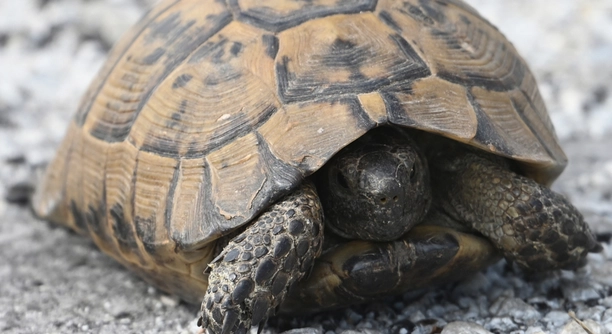
Greek tortoises are fascinating creatures, often displaying unique behaviors that can leave pet owners puzzled. One common behavior involves rubbing their shells against surfaces. This action may signal various reasons that are worth understanding.
The main reason your Greek tortoise rubs its shell against walls could be a natural behavior or a sign of discomfort. It may be exploring its environment, seeking warmth, or dealing with stress, illness, or an improper habitat.
This article will highlight the seven primary causes of this behavior, helping you address the issue and care for your tortoise effectively.
1. Exploring the Environment
Tortoises are naturally curious, and rubbing their shells against walls may simply be part of their exploration. In the wild, they often interact with their surroundings to understand their space. Your pet tortoise may be doing the same in an enclosed environment. It’s an instinctual behavior where they test the area, especially when new objects are introduced or their habitat changes. It helps them adjust and get comfortable.
Sometimes, they will rub against objects to explore textures or the boundaries of their enclosure. This behavior is completely normal, especially when they are in an unfamiliar environment. The shell rubbing can also occur if they feel confined, leading them to search for any gaps or ways to move freely.
Understanding this behavior is crucial to ensuring your tortoise’s comfort. You might want to make sure the enclosure offers enough space for them to move around without feeling cramped. Providing a larger area can help reduce the need for constant rubbing.
2. Shell Problems or Discomfort
Shell rubbing can also indicate physical discomfort, particularly if your tortoise has shell problems. A damaged or irritated shell might cause them to rub it against surfaces to relieve pressure or irritation.
If your tortoise has recently had an injury or an infection, rubbing its shell could be an attempt to soothe the discomfort. It’s important to check their shell regularly for signs of cracks, fungus, or any unusual growths. If any of these issues are detected, consult a vet immediately for treatment.
Shell conditions that cause pain or irritation may also affect the tortoise’s behavior. They may rub their shell to avoid pressure or to relieve soreness. This is why it’s essential to keep an eye out for any signs of damage or discomfort. Regular health checks can help prevent these issues from becoming more serious.
3. Stress or Anxiety
Rubbing the shell against walls can be a sign of stress or anxiety in Greek tortoises. This often occurs when they are feeling overwhelmed by their environment.
When tortoises are stressed, they may engage in repetitive behaviors like shell rubbing. Stress can stem from various sources such as loud noises, too much handling, or changes in their habitat. They rely on familiarity and a stable routine to feel secure, so disruptions in their environment can cause anxiety. This stress behavior might also be linked to improper temperature or humidity levels.
If you notice your tortoise rubbing its shell frequently, try to identify any stress factors. Ensure the enclosure remains quiet, consistent, and free from excessive disturbances. Providing a calm, controlled environment can help alleviate this behavior over time.
4. Mating Behavior
Tortoises may rub their shells against surfaces as part of their mating behavior. This can be especially noticeable during the breeding season.
Male tortoises often rub or nudge objects to demonstrate their presence and attract females. If you have both male and female tortoises, it could be part of natural courtship. This behavior usually involves more than just shell rubbing; it may include head bobbing or vocalizations. Males may rub against walls, rocks, or even other tortoises as they engage in these mating rituals.
Understanding this behavior can be helpful if you’re breeding tortoises or keeping multiple in the same enclosure. If the behavior becomes excessive, consider adjusting the enclosure setup or separating the males to reduce competition.
5. Improper Habitat
If your Greek tortoise is rubbing its shell against walls, it could be due to an improperly set-up habitat. This behavior may be a sign that the environment doesn’t meet the tortoise’s needs.
Tortoises require specific conditions for temperature, humidity, and space. If their habitat is too small, too hot, or too cold, they may feel restricted, leading to this behavior. It’s important to maintain a consistent environment that mimics their natural habitat. A proper setup can reduce the likelihood of your tortoise rubbing its shell against the walls.
6. Lack of Enrichment
Boredom can be another reason for shell rubbing. Without enough stimulation, tortoises may resort to repetitive actions to pass the time.
Providing enrichment is vital for tortoises. Items like rocks, plants, and hideaways give them something to explore. Interactive objects can prevent boredom and help them engage more naturally with their surroundings. Adding variations to their environment keeps them mentally and physically active, reducing the chances of them rubbing their shells out of frustration.
7. Illness or Injury
Shell rubbing can also be a sign of illness or injury. If your tortoise is in pain or not feeling well, rubbing its shell against walls could be an attempt to cope with discomfort.
When tortoises experience health issues, such as a respiratory infection or digestive problems, they may display unusual behaviors. Keep an eye out for signs like lethargy, changes in eating habits, or abnormal movements. If any of these occur alongside shell rubbing, it’s important to consult a vet for proper diagnosis and treatment. Early intervention can prevent more serious complications.
FAQ
Why is my tortoise rubbing its shell constantly?
Constant shell rubbing may indicate that your tortoise is either stressed or uncomfortable. If the behavior is frequent, it might be due to a confined space, improper habitat conditions, or health concerns. Tortoises tend to rub their shells when feeling anxious or when they need to explore their environment. It’s essential to check for any physical discomfort, like shell damage or irritations, which could be contributing to the behavior. If the rubbing continues, it might be worth consulting with a vet to rule out any underlying health issues.
Can shell rubbing indicate a health problem?
Yes, shell rubbing can sometimes be a sign of health problems, especially if the tortoise is in pain. This could be due to shell injuries, infections, or even digestive issues. If your tortoise exhibits other symptoms, such as lethargy, loss of appetite, or changes in behavior, it could be a signal of illness. Regularly checking for visible cracks, fungal infections, or swelling on the shell is important. Any abnormalities should be addressed by a vet promptly to ensure your tortoise’s well-being.
How can I reduce my tortoise’s stress?
Reducing stress involves providing a stable, quiet, and comfortable environment for your tortoise. Ensure the enclosure is appropriately sized and has all the necessary elements, like temperature control, humidity levels, and adequate lighting. Avoid loud noises or frequent handling, as these can cause anxiety. Providing hiding spots and enriching the habitat with various objects to explore can also help your tortoise feel safe. Keeping the environment consistent and stress-free is key to preventing excessive shell rubbing.
Does mating behavior cause shell rubbing?
Mating behavior, particularly during the breeding season, can lead to shell rubbing. Male tortoises often rub their shells against surfaces or other tortoises to demonstrate dominance or attract females. If you have both males and females in the same enclosure, this behavior may become more apparent as they compete for attention. The rubbing can also be accompanied by head-bobbing or vocalizations as part of their natural mating ritual. If this behavior is not causing harm, it’s typically harmless, but consider separating males if it becomes overly competitive.
Can an overcrowded enclosure lead to shell rubbing?
Yes, overcrowding can lead to shell rubbing. Tortoises need enough space to roam freely, and a cramped enclosure can lead to stress and frustration. If they feel trapped or unable to move around comfortably, they may start rubbing their shells against the walls. It’s crucial to ensure that the enclosure is large enough for your tortoise to engage in natural behaviors without feeling restricted. Providing ample space and creating a habitat that mirrors their natural environment will help reduce stress and prevent shell rubbing.
Should I worry if my tortoise rubs its shell once in a while?
Occasional shell rubbing isn’t usually a cause for concern. Tortoises may rub their shells occasionally as they explore or adjust to their environment. However, if the behavior is rare and doesn’t seem to be linked to discomfort or stress, it’s typically not something to worry about. Regular observation is important to ensure the behavior doesn’t escalate into something more frequent. If you notice any other symptoms, such as changes in behavior or physical condition, it’s wise to consult a vet.
Is shell rubbing a sign of aggression in tortoises?
Shell rubbing is not typically a sign of aggression but rather a sign of discomfort or stress. However, in some cases, tortoises might rub their shells against each other during territorial disputes, especially if multiple tortoises are housed together. Male tortoises, in particular, may show this behavior when they compete for dominance or a mate. If your tortoises appear to be rubbing shells aggressively, it may be worth observing their interactions more closely. Separating them to prevent further conflicts might be necessary in such cases.
How can I tell if my tortoise has shell damage?
To check for shell damage, carefully inspect the surface of the shell for cracks, chips, or unusual growths. The shell should be smooth and free of any rough patches, discoloration, or sores. If your tortoise has been rubbing its shell excessively, there may be signs of irritation or injury. Gently feel for any soft spots, as this could indicate an infection or injury. If you suspect damage or infection, consult a vet for proper treatment. Keeping the shell clean and dry can help prevent damage and infections.
Can I stop shell rubbing by changing the tortoise’s diet?
Diet plays a role in your tortoise’s overall health, but it’s unlikely that changing the diet alone will stop shell rubbing. However, providing a balanced diet rich in calcium and other essential nutrients is vital for shell health. A proper diet supports strong, healthy shell growth, reducing the chances of injuries or infections that might cause discomfort. While diet alone might not address the behavior, it contributes to overall wellness and can help prevent certain health issues that could lead to shell rubbing.
What is the best habitat for a Greek tortoise?
Greek tortoises require a spacious, secure, and well-maintained habitat that closely mimics their natural environment. The enclosure should provide areas for hiding, basking, and roaming. Ensure the habitat is large enough for the tortoise to move freely, with temperature-controlled zones for both warm and cool areas. Proper UVB lighting is essential for shell and bone health, and humidity levels should be adjusted according to the species’ needs. Adding natural elements, like rocks, plants, and dirt, can make the enclosure more engaging and reduce stress. Regular cleaning and maintenance are also necessary for a healthy habitat.
Final Thoughts
Understanding why your Greek tortoise may be rubbing its shell against walls is key to addressing the issue effectively. While occasional rubbing may not be a concern, frequent behavior can indicate discomfort or stress. Ensuring your tortoise has a proper habitat that includes ample space, proper temperature, and humidity is essential for their well-being. Regular observation of their behavior and environment can help detect any changes that might signal a problem. Providing enrichment and reducing stress factors will help your tortoise feel more comfortable in its surroundings.
If your tortoise continues to rub its shell despite making adjustments, it might be worth checking for health issues. Shell rubbing could point to physical discomfort or even injury, such as shell damage or infections. Keep an eye out for any other signs, such as changes in appetite, lethargy, or abnormal movement, which could indicate a deeper health issue. Consulting a veterinarian is important if you notice any concerning symptoms. Early intervention can prevent more serious problems down the line and ensure your tortoise lives a healthy, comfortable life.
In conclusion, there are several reasons why your Greek tortoise might be rubbing its shell. From stress and environmental factors to health concerns, understanding these causes can help you take the right steps to address the behavior. Ensuring your tortoise’s habitat is suited to its needs, providing appropriate enrichment, and maintaining regular health checks are all key components in fostering a happy and healthy tortoise. If you’re ever unsure about your tortoise’s behavior, don’t hesitate to reach out to a vet for advice.

Hello,
If you enjoy the content that we create, please consider saying a "Thank You!" by leaving a tip.
Every little bit helps us continue crafting quality advice that supports the health, happiness, and well-being of pets around the world, for pets of all shapes, sizes, and species.
We really appreciate the kindness and support that you show us!