
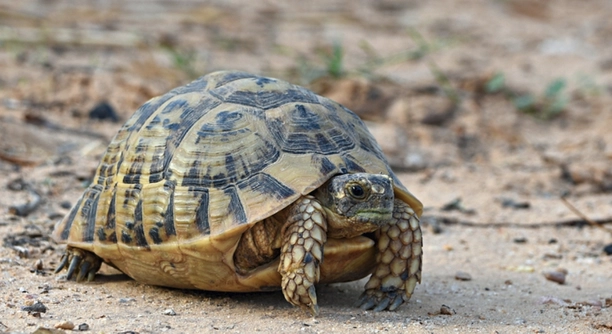
Rainy weather can have a surprising effect on your Greek tortoise’s activity levels. If you’ve noticed your tortoise becoming more lively when it rains, you’re not alone. Many tortoise owners observe this behavior and wonder why it happens.
The increase in activity during rainy weather is mainly due to changes in temperature, humidity, and the availability of food. These environmental factors can trigger natural instincts in Greek tortoises, encouraging them to forage and explore more.
Understanding the reasons behind this behavior can help you better care for your tortoise. We’ll break down the different causes that lead to your tortoise’s increased activity when the weather is wet.
Changes in Temperature and Humidity
When the weather turns rainy, the temperature and humidity levels often change. These shifts can have a significant impact on your Greek tortoise’s behavior. Tortoises are cold-blooded animals, meaning their body temperature relies on the environment. Rainy days can bring cooler temperatures, which may make your tortoise feel more comfortable and active.
The increase in humidity also plays a role. Humid conditions are ideal for Greek tortoises, as they help prevent dehydration. On dry days, they can become sluggish and stay hidden to conserve moisture. Rain creates the perfect opportunity for your tortoise to be more active, moving around to explore and find food.
During rainy weather, your tortoise may instinctively seek out food, as the rain encourages plants to grow. The combination of a comfortable temperature and moisture-rich surroundings can create a more favorable environment for them to forage and roam, encouraging more movement.
Increased Foraging Behavior
Your tortoise’s increased activity might also be tied to food availability. Rain causes plants to grow, and the moist ground is perfect for foraging. When your tortoise detects the change in the weather, it’s likely to start searching for more food. They have a heightened sense of smell and may detect the presence of new or fresh plants, which are often easier to find after a rainstorm.
Greek tortoises naturally look for food when the environment is rich in nutrients. The damp earth allows them to move around more easily, and the rain itself makes it easier for them to find tasty vegetation, such as grasses and leaves. Their active nature during rainy periods can be seen as an instinctive response to increased food supply.
In the wild, tortoises are constantly foraging and looking for food to sustain themselves. The rain helps soften the ground and expose more food sources, triggering this natural instinct. If you notice your tortoise becoming more active and digging around, it’s likely because of the rich, food-filled environment the rain creates.
Sensory Changes
Rainy weather can also affect your tortoise’s senses, particularly its sense of smell. Just like us, tortoises use their sense of smell to detect changes in their environment. The rain can intensify their ability to detect scents, especially food. Freshly watered plants, insects, and even other animals’ tracks are more noticeable after rainfall.
This heightened sense of smell during rainy weather could explain why your tortoise might become more active. As the rain wets the ground, it brings out smells that may otherwise be hidden on dry days. This natural reaction to the changing environment drives your tortoise to explore and follow scents more eagerly.
In addition, the sound of rain falling and the movement of water can make tortoises feel more at ease. These changes in their sensory surroundings can spark increased curiosity and urge them to roam and forage for new food sources. It’s all part of their instinctual response to their environment.
Natural Behavior and Instinct
Greek tortoises, like many other reptiles, rely heavily on their instincts. These instincts guide them in times of environmental change, such as rain. When it rains, their natural behaviors are triggered, and they become more active, searching for food and exploring their surroundings.
The rain often mimics the conditions found in their natural habitats, where moisture and cooler temperatures make it easier to move around. Tortoises instinctively know that wet conditions help them avoid dehydration. This is why you might notice them becoming more active when it rains—they’re simply following their natural instincts to survive and thrive.
In the wild, Greek tortoises are used to rain as a cue for increased food availability and favorable conditions. The change in weather brings out the best in their instincts, leading them to roam around and seek out the resources they need to stay healthy. This behavior is essential for their overall well-being.
Social and Territorial Exploration
In some cases, your tortoise’s increased activity during rainy weather could be related to social and territorial behavior. While Greek tortoises are generally solitary, they still exhibit territorial instincts. When it rains, your tortoise may become more active in exploring its environment to ensure that it’s the one in control of its space.
Tortoises are known to be territorial creatures, and their increased activity in rainy weather can be attributed to a desire to mark their territory or check for any intruders. They might move more freely around their enclosure, exploring new areas to make sure they are safe and secure.
Understanding this behavior can help you create a suitable environment for your tortoise. Make sure it has enough space to explore, especially during rainy periods, so it feels comfortable. This will allow your tortoise to express its natural territorial instincts without feeling restricted.
Increased Moisture Levels
Rain raises the moisture levels in the environment, which can encourage your tortoise to become more active. As reptiles, Greek tortoises need humidity to stay hydrated and regulate their skin health. The rain helps to provide the moisture they crave, making them feel more comfortable and energetic.
If your tortoise is feeling dry or overheated, it may hide away during dry periods. Rain creates a more suitable environment for it to move around, especially since it helps prevent dehydration. The extra moisture allows your tortoise to roam more freely without the risk of becoming too dry.
Healthy Skin and Shell
Proper hydration is essential for your tortoise’s skin and shell health. Rain provides just the right conditions to help maintain moisture levels in your tortoise’s skin, preventing dryness and cracking. When your tortoise is properly hydrated, it will naturally become more active as it feels more comfortable in its environment.
A well-hydrated tortoise is better able to maintain its body temperature and shell integrity. Dehydration can cause your tortoise to become sluggish and less interested in exploring. The rain helps keep the skin and shell healthy, supporting its natural behaviors and increased activity.
Exercise and Digging Behavior
Rain can also stimulate your tortoise’s instinct to dig. The damp earth is easier to move around in, encouraging your tortoise to dig and burrow more than it would on a dry day. This behavior is natural and helps your tortoise stay active and engaged with its environment.
Digging serves multiple purposes, such as creating hiding spots, regulating body temperature, and searching for food. In rain, the soil becomes softer, and your tortoise finds it easier to dig. This increased digging activity can be a sign of your tortoise feeling more comfortable and energized during rainy weather.
Why does my Greek tortoise become more active when it rains?
Your Greek tortoise becomes more active during rainy weather due to changes in temperature, humidity, and moisture levels. These factors mimic the conditions found in their natural habitat, where rain is often associated with the availability of fresh food and a comfortable environment. The cooler temperature and higher humidity help prevent dehydration, encouraging your tortoise to roam and forage more. Additionally, the rain brings out new vegetation, which triggers foraging behavior in your tortoise.
Is rain harmful to my Greek tortoise?
Rain itself is not harmful to your Greek tortoise as long as it doesn’t get too cold. Tortoises are resilient animals that can handle wet conditions as long as they are not exposed to extreme temperatures. However, it’s essential to ensure that your tortoise has access to a dry, sheltered area to retreat to if it becomes too cold or wet. Long periods of exposure to wet conditions without proper shelter can lead to respiratory problems or other health issues, so always provide a safe space for your tortoise to hide if needed.
Can I take my Greek tortoise outside during rainy weather?
If the temperature is mild and the rain isn’t too heavy, it’s usually safe to let your Greek tortoise spend time outside during rainy weather. However, be sure to monitor the conditions and ensure your tortoise has access to a dry, warm area where it can retreat if it starts feeling too cold or wet. Avoid letting your tortoise roam in heavy rain or extreme temperatures, as this could lead to stress or health issues. Always make sure that its environment is safe and comfortable.
Does my Greek tortoise need extra hydration when it rains?
Although rain provides additional moisture, it’s still important to make sure your Greek tortoise has access to fresh drinking water. While the rain can help with hydration, your tortoise’s hydration needs may not be fully met by the rain alone. Make sure to offer a water dish so your tortoise can drink when needed, especially if it spends a lot of time outside during wet weather. Keeping a consistent water supply is crucial for your tortoise’s health, regardless of the weather.
How can I tell if my tortoise is too cold during rainy weather?
If your tortoise becomes too cold, it may stop moving as much, become lethargic, or seek shelter more frequently. Cold temperatures can slow down their metabolism and make them less active. Tortoises generally prefer temperatures between 70-85°F (21-29°C). If the temperature drops below this range, your tortoise may become sluggish and less active. Ensure your tortoise has a warm, dry place to retreat to during cooler weather and avoid prolonged exposure to rain if the temperature is too low.
Should I adjust my tortoise’s diet when it rains?
While rain can encourage your tortoise to be more active and forage, there is no immediate need to adjust your tortoise’s diet during rainy weather. However, you might notice that it is more likely to eat fresh plants or grasses after the rain, which can be a healthy addition to its diet. Just ensure that any plants it eats are safe and free from pesticides or chemicals. Keep offering a variety of vegetables and leafy greens to maintain a balanced diet, regardless of the weather.
What should I do if my tortoise becomes sick after being outside in the rain?
If your tortoise shows signs of illness after being outside in the rain, such as lethargy, loss of appetite, or wheezing, it’s important to consult a veterinarian right away. Respiratory issues can occur if tortoises are exposed to cold, wet conditions for too long, leading to pneumonia or other respiratory infections. Keeping your tortoise in a warm, dry area while it recovers can help it feel better. If you notice any concerning symptoms, a visit to a vet will ensure your tortoise receives proper care.
How do I ensure my tortoise’s enclosure is safe during rainy weather?
To protect your Greek tortoise during rainy weather, make sure its enclosure is well-drained and does not collect too much water. If you keep your tortoise outside, consider adding a sheltered area where it can escape the rain and stay dry. For indoor enclosures, maintain proper humidity levels but avoid excessive moisture buildup. Always monitor your tortoise for signs of stress, and ensure it has access to a dry, warm spot to retreat to if it needs rest after a rainy day. Providing a safe environment is key to your tortoise’s well-being during wet weather.
Can I let my tortoise roam indoors during rainy weather?
It’s perfectly fine to let your Greek tortoise roam indoors during rainy weather. In fact, some owners choose to bring their tortoises inside to avoid the dangers of cold rain. Ensure that the indoor environment is warm, dry, and secure. You may want to create a safe roaming area with suitable surfaces for your tortoise to walk on, such as non-slip tiles or soft mats. Just be sure to keep the indoor space safe and avoid any hazards like electrical cords or fragile items.
In summary, rainy weather can lead to increased activity in Greek tortoises due to the changes in their environment, such as cooler temperatures, higher humidity, and the availability of fresh food. These conditions trigger their natural instincts, making them more likely to roam, forage, and dig. For many tortoises, the rain offers a perfect opportunity to explore and stay active without the discomfort of heat or dryness. The moisture in the air also helps prevent dehydration, which can be an issue during dry conditions.
While rain isn’t harmful to your tortoise, it’s important to make sure that it has a safe space to retreat to if the weather becomes too cold or wet. Tortoises are resilient but can struggle in extreme conditions. Providing shelter from heavy rain and ensuring the temperature stays within a comfortable range will help prevent health issues like respiratory infections or dehydration. Always monitor your tortoise’s behavior during rainy weather to ensure it doesn’t become too cold or stressed.
Understanding the factors that contribute to your tortoise’s increased activity during rainy weather allows you to make informed decisions about its care. By keeping its environment safe, offering access to food and water, and providing a dry retreat, you can help your tortoise thrive even on rainy days. Being mindful of the changes in weather and adjusting your care routine when necessary ensures that your tortoise remains healthy and comfortable throughout the year, rain or shine.

Hello,
If you enjoy the content that we create, please consider saying a "Thank You!" by leaving a tip.
Every little bit helps us continue crafting quality advice that supports the health, happiness, and well-being of pets around the world, for pets of all shapes, sizes, and species.
We really appreciate the kindness and support that you show us!