
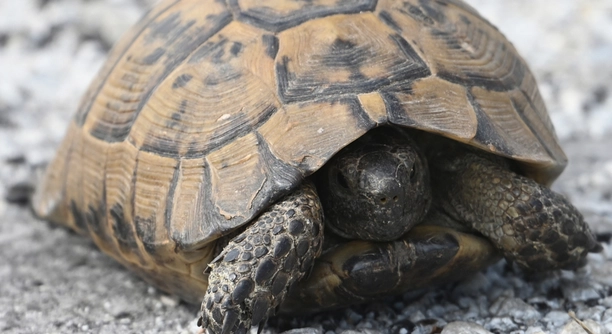
A Greek tortoise might occasionally breathe through its mouth, which can be concerning for any pet owner. This behavior may indicate an underlying issue that requires attention. Understanding the possible causes can help you care for your tortoise.
Mouth breathing in Greek tortoises is typically a sign of respiratory distress, often caused by infections, improper habitat conditions, or stress. It can also result from poor diet, dehydration, or injuries. Identifying the underlying cause is crucial for proper care.
Learning the possible reasons behind this behavior can help you address the issue effectively. Understanding these factors will assist in keeping your tortoise healthy and comfortable in the long run.
Respiratory Infections
A common reason for mouth breathing in Greek tortoises is respiratory infections. These can occur due to bacterial, viral, or fungal exposure, often resulting from poor habitat conditions. A tortoise with an infection may show additional symptoms like nasal discharge, lethargy, or swollen eyes. Respiratory infections are more likely to occur if the tortoise’s enclosure is too cold, damp, or lacks proper ventilation. Stress and exposure to drafts can also contribute to respiratory issues. If your tortoise is breathing through its mouth and shows signs of illness, it’s important to take immediate action. A trip to the vet can help identify the infection and determine the right treatment.
If your tortoise has a respiratory infection, the most effective way to treat it is through antibiotics or antifungal medications prescribed by a veterinarian. The vet may also recommend environmental adjustments to prevent further issues. It’s essential to provide your tortoise with a warm, dry, and properly ventilated space to encourage recovery.
Being proactive in managing your tortoise’s habitat and health can help prevent infections from becoming a recurring issue. A few adjustments to the enclosure can make a significant difference in your tortoise’s overall well-being.
Stress
Stress can also lead to mouth breathing in Greek tortoises. Sudden changes in their environment, diet, or handling can trigger stress. A stressed tortoise may exhibit behaviors like excessive pacing, hiding, or refusing to eat. It’s important to identify stress factors and adjust accordingly.
Stress can be caused by overcrowding, loud noises, or environmental changes such as a sudden temperature drop. The tortoise may also experience stress from being handled too frequently. In some cases, stress can compromise the tortoise’s immune system, making it more susceptible to illness. To help your tortoise feel more comfortable, ensure that the enclosure is in a quiet, calm environment, and avoid sudden changes. Providing a safe space to retreat to, such as a hiding spot or shelter, can help reduce stress levels.
Understanding your tortoise’s behavior and creating a stable environment can go a long way in reducing stress-related mouth breathing. It’s important to remember that these animals thrive in consistent conditions, so try to avoid abrupt changes in their surroundings or routine.
Dehydration
Dehydration is another factor that can cause Greek tortoises to breathe through their mouths. When a tortoise doesn’t get enough water, it may struggle to breathe properly. This can be especially true if their diet lacks moisture-rich foods or if the humidity levels in their enclosure are too low.
Proper hydration is key to a tortoise’s health. Offer fresh water daily and provide moist greens or vegetables like cucumber or watermelon. You can also soak your tortoise in warm water for about 15 minutes a few times a week to ensure it gets enough fluids. Dehydration can lead to other health issues, so it’s important to monitor your tortoise’s water intake closely.
By providing adequate water and moisture, you help prevent dehydration-related problems, including mouth breathing. Hydration supports healthy respiratory function and overall well-being, making it an essential aspect of tortoise care.
Poor Diet
A poor diet can lead to mouth breathing in Greek tortoises as well. If your tortoise isn’t getting the nutrients it needs, it can weaken its immune system, making it more prone to infections and other issues that cause mouth breathing. A diet lacking in variety or high in foods that are too rich can also be a problem.
Make sure to feed your tortoise a balanced diet consisting of a variety of leafy greens, vegetables, and occasional fruits. Avoid feeding your tortoise high-fat or protein-rich foods, as these can contribute to health problems. A healthy, varied diet helps to maintain a strong immune system, supporting the tortoise’s ability to fight off infections and other health problems.
Monitor your tortoise’s diet closely to ensure it’s receiving all the necessary nutrients. Offering a mix of food types is a simple but effective way to keep your tortoise healthy and reduce the risk of mouth breathing caused by poor nutrition.
Improper Temperature
Greek tortoises need a stable and warm environment to stay healthy. If the temperature in their enclosure is too low, it can lead to respiratory issues and mouth breathing. Tortoises rely on warmth to digest food and regulate their bodily functions, so a temperature drop can be harmful.
Keep the temperature in your tortoise’s habitat between 75°F and 85°F during the day, with a basking area reaching up to 95°F. Using a heat lamp or ceramic heater can help maintain consistent warmth. A thermometer will help you monitor the temperature accurately, ensuring your tortoise stays comfortable and healthy.
Proper temperature regulation is crucial for your tortoise’s health. Cold conditions can lead to weakened immune systems and other issues, which may cause mouth breathing. Ensure your tortoise’s environment remains within the ideal temperature range to prevent respiratory problems.
Infections
Infections, particularly respiratory ones, can result in mouth breathing. Bacteria, viruses, or fungi can easily affect a tortoise, especially if its habitat is too humid or dirty. Infections often require immediate medical attention to avoid complications.
Regular cleaning of the tortoise’s enclosure and providing a proper diet helps prevent infections. If your tortoise is showing signs of illness, including mouth breathing, it’s essential to visit a veterinarian for diagnosis and treatment. Infections should not be ignored, as they can worsen without proper care.
Stressful Handling
Frequent or improper handling can stress out your tortoise, which may lead to mouth breathing. Stress can disrupt your tortoise’s respiratory system, leading it to breathe through its mouth instead of its nose. Handling a tortoise too much or in an uncomfortable way can have negative effects on its health.
Limit how often you handle your tortoise, allowing it plenty of time to feel safe in its environment. Stress can compromise its immune system, making it more susceptible to infections. Provide a calm, quiet space for your tortoise to relax and avoid putting it in stressful situations.
FAQ
Why is my Greek tortoise breathing through its mouth?
Mouth breathing in a Greek tortoise can signal several issues, including respiratory infections, stress, dehydration, or improper environmental conditions like temperature or humidity. It could also be caused by a poor diet or physical injury. It’s important to assess the tortoise’s overall health and environment. If mouth breathing is accompanied by other symptoms, such as nasal discharge, lethargy, or swollen eyes, a visit to a veterinarian is recommended to rule out infections or other medical issues.
What temperature should my Greek tortoise’s enclosure be?
Your Greek tortoise’s enclosure should be kept between 75°F and 85°F during the day, with a basking area reaching around 95°F. The temperature at night can drop slightly, but it shouldn’t fall below 70°F. A heat lamp or ceramic heater can help maintain proper temperature. Too low of a temperature can weaken your tortoise’s immune system, making it more susceptible to illness, including respiratory infections that can cause mouth breathing.
How can I prevent dehydration in my Greek tortoise?
To prevent dehydration, ensure that your tortoise has access to fresh water at all times. You can also soak your tortoise in lukewarm water for about 15 minutes a few times a week to help with hydration. Include moist foods in its diet, such as cucumber, watermelon, and leafy greens, to add extra moisture. Regular water intake is essential for your tortoise’s health, as dehydration can contribute to mouth breathing and other respiratory issues.
What should I feed my Greek tortoise?
A healthy diet for your Greek tortoise should consist primarily of leafy greens, vegetables, and occasional fruits. Offer a variety of dark, leafy greens like collard greens, dandelion greens, and turnip greens. Avoid high-fat or high-protein foods, which can cause health problems. It’s important to provide a balanced diet that supports the immune system and overall health, reducing the risk of mouth breathing caused by malnutrition or infections.
How do I know if my Greek tortoise is stressed?
Stress in Greek tortoises can manifest in various ways, including excessive pacing, hiding, refusing food, or mouth breathing. Stress may be caused by sudden changes in the environment, frequent handling, loud noises, or overcrowding. If your tortoise is stressed, it’s important to assess its living conditions and reduce the stressors. Creating a quiet, calm environment with consistent temperature and humidity levels can help alleviate stress and prevent stress-related health issues.
Is it normal for a Greek tortoise to be inactive during the winter?
Yes, it’s normal for Greek tortoises to become less active during the colder months. They are naturally adapted to periods of dormancy or brumation in the wild when temperatures drop. If your tortoise is inactive in the winter, ensure that its habitat remains warm enough, between 70°F and 85°F, to prevent any health problems. If you notice signs of illness or persistent inactivity, it’s important to seek veterinary advice.
How do I treat a respiratory infection in my Greek tortoise?
Treating a respiratory infection in a Greek tortoise typically requires veterinary care. Your vet may prescribe antibiotics or antifungal medications, depending on the cause of the infection. In addition to medications, the vet might recommend adjusting the habitat’s temperature, humidity, and ventilation to create a more suitable environment for recovery. It’s essential to follow the vet’s advice closely and provide supportive care, such as keeping your tortoise warm and hydrated, during treatment.
Can stress cause mouth breathing in my Greek tortoise?
Yes, stress can lead to mouth breathing in Greek tortoises. Stress can cause respiratory distress and other health issues. Common stressors include environmental changes, such as temperature fluctuations, overcrowding, loud noises, and excessive handling. To minimize stress, ensure your tortoise’s enclosure is quiet and stable, and avoid frequent handling. Providing a safe space for the tortoise to retreat to can also help reduce stress levels and prevent respiratory issues like mouth breathing.
How do I prevent mouth breathing in my Greek tortoise?
To prevent mouth breathing in your Greek tortoise, focus on providing a proper environment with the right temperature, humidity, and ventilation. Make sure your tortoise has access to clean water and a balanced diet, with plenty of moisture-rich foods. Avoid stressful conditions, such as overcrowding or excessive handling. Regularly clean the enclosure to minimize the risk of infections and ensure your tortoise stays healthy.
Is mouth breathing always a sign of illness in Greek tortoises?
Mouth breathing in Greek tortoises can sometimes be a sign of illness, such as respiratory infections, dehydration, or stress. However, in rare cases, it could be due to temporary discomfort or an environmental factor that can be corrected. It’s important to monitor your tortoise closely for other signs of illness, such as loss of appetite, lethargy, or nasal discharge. If mouth breathing persists or worsens, consulting a veterinarian is the best course of action.
Can a Greek tortoise recover from a respiratory infection?
Yes, with proper treatment, a Greek tortoise can recover from a respiratory infection. The key is identifying the infection early and seeking veterinary care. Antibiotics or antifungal medications are often prescribed to treat infections, along with environmental adjustments to promote healing. With the right care, your tortoise should recover and return to normal breathing patterns.
Final Thoughts
Taking care of a Greek tortoise involves more than just feeding and housing it properly. Understanding the signs of stress, illness, and discomfort is essential to keeping your tortoise healthy. If you notice your tortoise breathing through its mouth, it could be a signal of a deeper issue. It’s crucial to address the potential causes, such as respiratory infections, dehydration, or improper living conditions. With careful observation and quick action, you can help prevent serious health problems.
If mouth breathing persists, don’t hesitate to consult a veterinarian. Respiratory infections, if untreated, can lead to more severe complications and long-term health issues. A vet will be able to diagnose the problem and suggest the proper course of treatment. In addition to medical care, it’s important to evaluate your tortoise’s living conditions. A stable environment with the correct temperature, humidity, and diet can go a long way in preventing these issues from arising in the first place.
Overall, ensuring your Greek tortoise’s well-being comes down to a combination of good care, regular health checks, and a suitable habitat. By staying attentive to its needs and addressing any concerns quickly, you’ll be able to provide a comfortable and healthy life for your tortoise. Regular monitoring and keeping its environment in check will reduce the likelihood of mouth breathing and other health problems.

Hello,
If you enjoy the content that we create, please consider saying a "Thank You!" by leaving a tip.
Every little bit helps us continue crafting quality advice that supports the health, happiness, and well-being of pets around the world, for pets of all shapes, sizes, and species.
We really appreciate the kindness and support that you show us!