
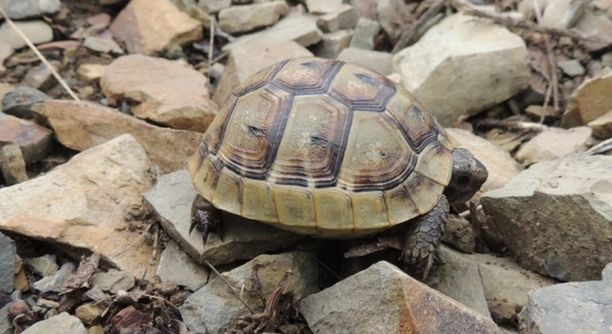
If your Greek tortoise is overheating, it’s important to act quickly to ensure its health and safety. Heat stress can lead to serious complications for your pet, but there are simple steps to help prevent and manage it.
The most effective way to cool your Greek tortoise is by moving it to a shaded, cooler area, preferably with proper ventilation. You can also increase humidity around it to prevent dehydration and monitor its temperature closely to ensure it stays within a safe range.
Proper care and attention are essential to prevent overheating in Greek tortoises, as it ensures their long-term well-being.
Recognizing the Signs of Overheating
Overheating in Greek tortoises can occur quickly and may not always be obvious. Common signs include excessive panting, lethargy, and seeking cooler areas like shade or water. If you notice these behaviors, it’s crucial to take action immediately. Dehydration can also occur, leading to further stress. If left unaddressed, overheating can cause permanent damage to internal organs, making it essential to act before the situation worsens.
If the temperature in your tortoise’s environment rises above the recommended range, it could trigger these symptoms. Greek tortoises typically thrive in a controlled environment, with a temperature range of 75-85°F during the day and slightly cooler at night. Monitoring your pet closely, especially during warmer months, will help prevent heat-related issues. Overheating can be more dangerous during the summer months or when your tortoise is housed in an area with little airflow.
When a tortoise shows signs of heat stress, it’s critical to cool it down gradually. Don’t shock its system by applying cold water directly or placing it in extreme conditions. Gently moving your tortoise to a cooler, shaded space with good air circulation will help regulate its temperature. Additionally, offering a shallow bowl of fresh water can assist in rehydration, which is crucial for recovery.
Proper Housing Setup for Temperature Control
Ensure that your Greek tortoise’s enclosure is well-ventilated. Providing areas with different temperatures allows your pet to self-regulate its body temperature.
A secure and well-ventilated habitat is key to keeping your tortoise comfortable. A combination of basking areas and shaded spots will allow your pet to manage its temperature effectively. Using heat lamps or under-tank heaters will help maintain the right environment, but be careful to avoid excessive heat. Proper lighting should also be used to mimic a natural day-night cycle.
Immediate Actions to Take
If your Greek tortoise is overheating, the first step is to move it to a cooler area immediately. Ensure the new location has proper ventilation, and avoid drastic temperature changes that could further stress your pet. A temperature range of 75-85°F is ideal.
You should also offer your tortoise a shallow dish of fresh water, ensuring that it has easy access to rehydrate. However, avoid soaking it in water directly, as sudden immersion could cause additional stress. Check the humidity level in its environment, as this will help prevent dehydration and support temperature regulation.
For best results, monitor the tortoise’s behavior closely after the move. If it shows signs of improvement, such as more active movements, it is likely recovering from the heat stress. Keep the tortoise in the cooler space until its temperature stabilizes. Once it’s doing better, gradually reintroduce it to its normal environment.
Hydration and Restoring Balance
Hydration is crucial when dealing with overheating. Make sure your tortoise has access to fresh water, and if necessary, offer a dampened surface to help it cool down. Hydrating it properly can support the tortoise’s recovery and restore balance to its system.
After cooling down your tortoise and ensuring hydration, it is important to give it time to rest. Overheating can leave your pet weak and stressed, so providing a quiet space will allow it to recover. Ensure that the area is free from any distractions or further heat sources.
Assessing the Environment
Evaluate your tortoise’s living conditions to determine if they’re contributing to overheating. Ensure the temperature is within the recommended range. Too much direct sunlight or inadequate ventilation can lead to excessive heat. It’s important to make adjustments quickly to prevent further stress.
If you’ve noticed your tortoise’s behavior changing, like seeking out shaded areas or showing signs of fatigue, the environment is likely a factor. Adjust the temperature by moving it to a more shaded or cooler space. Additionally, ensure that there are no heat sources close to its enclosure that could increase the risk of overheating.
Temperature Control Tools
Invest in a reliable thermometer and hygrometer to monitor the temperature and humidity levels consistently. These tools help prevent overheating and ensure your tortoise stays comfortable in its enclosure. Proper temperature control is essential for their overall health.
Using heat lamps or under-tank heaters to regulate temperature is also a good practice. Avoid placing them too close to the tortoise to prevent hot spots. Ensure the environment has both warm and cool areas, allowing the tortoise to move between them as needed for comfort.
Proper Ventilation
Good airflow is essential for regulating temperature and humidity. A poorly ventilated enclosure traps heat, making it harder for your tortoise to cool down. Make sure there are vents or openings for air circulation. This helps create a more stable environment and reduces the risk of overheating.
FAQ
How do I know if my Greek tortoise is overheating?
Signs of overheating in a Greek tortoise include excessive panting, lethargy, seeking cooler areas like shaded spots, and reduced movement. If your tortoise starts hiding more or shows no interest in food, it could be a sign of heat stress. Check its environment to ensure temperatures aren’t too high.
What temperature should my Greek tortoise’s enclosure be?
The ideal temperature range for a Greek tortoise during the day is between 75°F and 85°F. At night, it should drop to about 70°F. These temperatures help your tortoise regulate its body heat effectively. If the temperature exceeds 90°F, it’s important to take immediate action to cool your tortoise.
Can I cool down my tortoise with ice?
It’s best not to use ice or extreme temperature changes when cooling down your tortoise. Rapid changes in temperature can cause shock. Instead, move your tortoise to a cooler, shaded area with fresh air. Gradually reduce its body temperature for a safer recovery.
How can I keep my Greek tortoise hydrated during hot weather?
Make sure your tortoise always has access to fresh, clean water. During hot weather, you may also offer it a shallow dish to soak in for hydration. Mist the enclosure lightly with water to help with humidity levels, which supports the tortoise’s overall hydration.
How long can my Greek tortoise stay in hot temperatures before it’s at risk?
Greek tortoises can tolerate brief periods of heat, but prolonged exposure to temperatures above 90°F can be dangerous. If your tortoise is exposed to high temperatures for too long, it can suffer from dehydration, heat stress, or even heatstroke. Monitor it closely during hot weather.
Is it safe to put my tortoise in water to cool it down?
You can gently place your tortoise in shallow water to help with hydration, but avoid using water as a primary method of cooling down. The water should be lukewarm, not too cold, to prevent any additional stress. Always monitor your tortoise’s reaction and avoid soaking it for long periods.
What should I do if my tortoise becomes very lethargic after overheating?
If your tortoise is lethargic after overheating, move it to a cooler, shaded area and ensure it is hydrated. Allow it to rest in a quiet, safe place. If it doesn’t show signs of improvement within a few hours, contact a veterinarian to check for any underlying health issues.
Can I use a fan to cool down my tortoise’s enclosure?
A fan can be helpful in circulating air, but it should not be used as the primary method for cooling down your tortoise’s environment. Fans can dry out the air and make humidity levels drop, which isn’t ideal. Make sure the fan doesn’t blow directly on your tortoise to avoid drying it out.
What are some signs that my tortoise is recovering from overheating?
Your tortoise will start showing signs of recovery once its behavior normalizes. Look for increased movement, more alertness, and a return to regular eating habits. If it starts moving around the enclosure and exploring, it’s a good sign that it is no longer under heat stress.
How often should I check my tortoise’s temperature and humidity levels?
It’s important to check your tortoise’s temperature and humidity levels at least once a day, especially during hot weather. Using a thermometer and hygrometer will help you monitor the environment and adjust accordingly to maintain the ideal conditions for your tortoise’s well-being.
Can a Greek tortoise live outside in hot weather?
Greek tortoises can live outdoors in warmer climates, but it’s crucial to provide a shaded area where they can escape direct sunlight. Ensure that the outdoor space has a suitable hiding place, enough humidity, and proper temperature regulation. Be cautious during peak summer heat, as temperatures can rise quickly.
What’s the best way to prevent overheating in my Greek tortoise?
The best way to prevent overheating is by controlling the environment. Ensure that the temperature in your tortoise’s enclosure stays within the recommended range. Use a combination of heat lamps, proper ventilation, and shaded areas. Avoid placing your tortoise in direct sunlight for extended periods.
Can overheating cause long-term damage to my Greek tortoise?
Yes, prolonged overheating can lead to serious health issues like dehydration, organ damage, or a weakened immune system. If not addressed quickly, it can be life-threatening. Regularly monitoring your tortoise’s environment and temperature will help avoid these risks and promote its overall health.
Final Thoughts
Overheating is a serious issue for Greek tortoises. These reptiles are not adapted to extreme heat, so it’s essential to manage their environment to prevent heat stress or heatstroke. By ensuring your tortoise has access to proper shade, hydration, and temperature regulation, you can keep them safe. Monitoring their behavior can also provide valuable clues if the environment is becoming too hot. If they become lethargic or seek out cooler areas, it’s time to make adjustments.
It’s also important to remember that prevention is key. Consistently checking the temperature and humidity levels in their enclosure will help prevent overheating before it becomes a problem. Using tools like thermometers and hygrometers will allow you to keep track of the conditions in real-time, making it easier to make quick changes. Ventilation is equally important—poor airflow traps heat and moisture, which can make things worse. Make sure your tortoise has access to both warm and cool areas within its habitat, so it can regulate its body temperature by moving between them.
If you notice signs of overheating, don’t hesitate to take action. Move your tortoise to a cooler space and provide water if needed. While they can recover from heat stress, the quicker you act, the better their chances are for avoiding long-term damage. Regular health checks and proper enclosure maintenance will ensure that your tortoise remains comfortable and safe in all temperatures. By being proactive, you can help your Greek tortoise live a long and healthy life, even during the hottest months.

Hello,
If you enjoy the content that we create, please consider saying a "Thank You!" by leaving a tip.
Every little bit helps us continue crafting quality advice that supports the health, happiness, and well-being of pets around the world, for pets of all shapes, sizes, and species.
We really appreciate the kindness and support that you show us!