
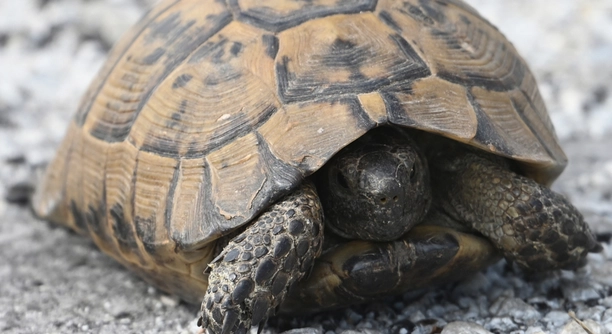
A healthy basking routine is important for the well-being of your Greek tortoise. However, if you notice that your tortoise is not basking enough, there could be a few different factors at play.
There are several common reasons why a Greek tortoise may not be basking as expected. These can include inadequate temperatures, improper lighting, stress, or an unbalanced diet. Understanding these causes can help improve your tortoise’s basking behavior.
Making adjustments to the habitat setup and addressing potential stressors can greatly improve your tortoise’s basking habits, ensuring it stays healthy and active.
1. Improper Temperature and Lighting
If your Greek tortoise is not basking enough, one of the main factors could be inadequate temperature or lighting. Tortoises need specific temperatures to regulate their body heat. The basking spot should be around 95-100°F during the day. If the area is too cool, they may avoid basking. Similarly, proper UVB lighting is essential for them to metabolize calcium and stay healthy. Without it, they may feel weak or disoriented, leading them to avoid basking altogether.
A thermostat or a heat lamp with UVB is necessary for maintaining proper warmth and light levels. You should always check the temperature regularly using a thermometer and ensure your tortoise has a space to move from the heat source if needed. If the conditions are right, your tortoise is more likely to enjoy basking.
Adjusting the heat and light properly can encourage your tortoise to bask more often, ensuring they stay healthy and active.
2. Stress from Environmental Changes
Stress is another significant reason why your tortoise may not be basking enough. If there has been a change in the environment, such as a new tank setup, noisy surroundings, or a lack of hiding places, your tortoise might feel unsettled. Tortoises thrive in stable, quiet environments. Any disruption can lead them to seek shelter rather than bask.
To minimize stress, ensure their habitat is quiet and undisturbed. Adding hiding spots and keeping the environment consistent can help your tortoise feel secure. A calm environment encourages natural behaviors like basking, eating, and exploring.
By offering a stable, peaceful space, you can help your tortoise feel at ease, encouraging them to bask more regularly.
3. Unbalanced Diet
An unbalanced diet can lead to a lack of energy, making your tortoise less inclined to bask. If your tortoise isn’t receiving enough calcium or vitamin D3, they may not feel motivated to bask under UVB light. A diet lacking in essential nutrients can lead to lethargy, making it harder for them to maintain their body temperature naturally.
Feed your Greek tortoise a variety of leafy greens, vegetables, and a calcium supplement to improve their diet. Consider adding a vitamin D3 supplement if your tortoise is not exposed to sufficient sunlight. Offering a well-rounded diet will support their overall health, encouraging basking as part of their natural behavior.
A balanced diet helps your tortoise feel more energized and active. When your tortoise receives the right nutrients, they are more likely to bask regularly, maintaining their optimal body temperature and health.
4. Illness or Health Problems
If your tortoise is sick or dealing with health issues, they may avoid basking as a way to conserve energy. Illnesses such as respiratory infections or parasites can make your tortoise feel too weak to bask. It’s important to monitor for other signs of illness, such as lethargy, poor appetite, or difficulty breathing.
Take your tortoise to a vet if you notice any concerning symptoms. They will be able to determine if an underlying health problem is contributing to their lack of basking. Treating the illness directly can help your tortoise return to its normal behavior, including basking regularly.
Regular checkups and being vigilant about signs of illness can keep your tortoise in good health, supporting its basking habits and overall well-being.
5. Overcrowding in the Enclosure
If there are too many tortoises or other animals in the enclosure, it can cause stress and limit your tortoise’s access to basking spots. Overcrowding reduces their space and makes it harder for them to feel safe and comfortable. This could discourage them from basking as they would prefer a more private spot.
Providing a spacious enclosure with separate basking areas for each tortoise can help alleviate stress. A single tortoise requires ample space to move freely and find a place to bask without interference. Creating separate areas for basking, hiding, and feeding can reduce competition and encourage natural behaviors.
With more space and less competition, your tortoise will feel more secure and will be more likely to bask regularly, improving its health and well-being.
6. Improper Basking Spot Setup
An improper basking setup can make it hard for your tortoise to find the right conditions for basking. If the basking area is too small or lacks proper light and heat sources, your tortoise may avoid it altogether. The spot needs to be at the correct temperature, with both a heat source and UVB light to simulate natural conditions.
Ensure that the basking spot is large enough and has both a heat lamp and UVB bulb positioned correctly. The area should also be placed in a way that your tortoise can easily access it. Monitoring the temperature with a thermometer is essential.
With an adequate basking spot, your tortoise will feel more comfortable and will be more likely to use it regularly, staying healthy and active.
7. Seasonal Behavior
Tortoises, including Greek tortoises, may alter their basking habits with the seasons. In colder months, they may not need as much basking time. Greek tortoises are naturally less active in winter, often entering a state of dormancy or brumation. During this time, they may avoid basking.
Monitor your tortoise’s behavior closely during the cooler months. If they are slowing down, eating less, or hiding more, they might be preparing for brumation. Providing a cool, dry place for them to rest will support their natural seasonal behaviors.
Understanding these seasonal changes ensures that you’re not overreacting to temporary adjustments in your tortoise’s basking habits.
FAQ
Why is my Greek tortoise not basking enough?
There are several potential reasons for this behavior. Temperature and lighting might not be optimal, causing your tortoise to avoid basking. Stress from environmental changes or overcrowding can also discourage basking. Additionally, health issues or an unbalanced diet can make your tortoise too lethargic to bask. It’s essential to check for these factors and address them accordingly.
How can I tell if my tortoise’s basking spot is correct?
Your tortoise’s basking spot should be between 95-100°F. Ensure the area has both a heat lamp and UVB light to provide the necessary warmth and calcium metabolism support. Use a thermometer to check the temperature regularly and adjust if needed. The spot should also be large enough for your tortoise to move freely.
Can stress prevent my tortoise from basking?
Yes, stress can significantly affect your tortoise’s behavior, including basking. Changes in the environment, like a new enclosure setup, loud noises, or overcrowding, can make your tortoise feel unsafe. A stressed tortoise will seek shelter and avoid basking. Creating a quiet, stable environment with plenty of hiding spots can help reduce stress.
Is it normal for my Greek tortoise to stop basking in winter?
It is normal for Greek tortoises to reduce basking behavior during cooler months. They may enter a state of dormancy, known as brumation, in response to lower temperatures. If your tortoise is eating less, moving slower, or hiding more during the colder months, it could be a sign that it’s preparing for brumation.
What should I do if my tortoise isn’t basking enough?
First, ensure that the temperature and lighting in the basking area are appropriate. Check the heat lamp and UVB light to make sure they’re functioning properly. Consider reducing stress in the environment, such as by creating a quiet, stable space. If these steps don’t improve the situation, consider a vet checkup to rule out any underlying health problems.
How do I balance my tortoise’s diet to encourage basking?
A healthy, balanced diet is vital for encouraging basking. Provide leafy greens, such as dandelion greens, collard greens, and kale, along with other vegetables like squash and bell peppers. You may also want to supplement with calcium and vitamin D3 if your tortoise isn’t getting enough natural sunlight. A proper diet ensures your tortoise has the energy it needs to bask and stay active.
Can overcrowding affect basking habits?
Yes, overcrowding in the enclosure can reduce basking time. When there are too many animals in a confined space, your tortoise may feel stressed and unable to access basking spots. It’s important to provide enough space for each tortoise to move around freely and find a basking spot without competition.
How often should my tortoise bask?
Greek tortoises typically bask for a few hours each day. However, the duration can vary based on temperature, light, and overall health. As long as the basking area is maintained correctly and the tortoise is in good health, you should see it basking regularly. Monitor your tortoise’s behavior to ensure it’s getting enough basking time.
What is brumation, and how does it affect basking?
Brumation is a period of reduced activity that is similar to hibernation, typically occurring in the cooler months. During brumation, Greek tortoises may stop eating and reduce their basking time. This is a natural process, but it’s important to ensure your tortoise has a suitable environment for brumation, with cooler, dry conditions.
Should I add any supplements to my tortoise’s diet to help with basking?
Yes, calcium and vitamin D3 supplements can support your tortoise’s basking behavior. Calcium is crucial for maintaining strong bones and proper shell development, and vitamin D3 helps with calcium absorption. If your tortoise isn’t getting enough UVB light, supplements can help make up for the lack of natural exposure.
Is there any way to encourage my tortoise to bask more often?
You can encourage basking by ensuring the basking area is properly set up with the right temperature and lighting. Providing a calm, stable environment with plenty of hiding spots will reduce stress. Additionally, maintaining a balanced diet can give your tortoise the energy it needs to bask regularly.
How do I know if my tortoise is sick and not basking because of that?
Signs of illness in tortoises can include lethargy, loss of appetite, difficulty breathing, or watery eyes. If your tortoise is not basking and showing other symptoms, it could indicate an underlying health problem. Take your tortoise to a vet to get a proper diagnosis and treatment.
Can I use a heat lamp and regular light together for basking?
Yes, combining a heat lamp with a UVB light is essential for creating the correct basking environment. The heat lamp provides warmth, while the UVB light helps with calcium metabolism. Make sure both lights are positioned properly and maintain the necessary temperature and UVB exposure levels.
Is it normal for my tortoise to avoid basking after a move?
Yes, after moving your tortoise to a new enclosure, it may avoid basking as it adjusts to the new environment. It could take time for your tortoise to feel secure and comfortable. Make sure the basking conditions are optimal, and give your tortoise time to settle in.
How can I create a stress-free environment for my tortoise?
To create a stress-free environment, make sure your tortoise has a quiet, safe space where it can hide if needed. Avoid sudden changes in the enclosure, such as moving furniture or introducing new animals. A stable, predictable environment will encourage basking and other natural behaviors.
Final Thoughts
When your Greek tortoise isn’t basking enough, it can be a sign of underlying issues such as improper lighting, temperature, stress, or health problems. It’s essential to first check the basking area. Ensure the temperature is between 95-100°F, and that the UVB light is working correctly. Without the right lighting and warmth, your tortoise will likely avoid basking. If the basking setup is correct, but your tortoise continues to avoid the spot, it might be stressed or unwell, and further investigation may be necessary. You can monitor its behavior for any signs of illness, such as lethargy or a lack of appetite, and consult a veterinarian if needed.
Diet also plays an important role in your tortoise’s behavior. A well-balanced diet will provide the necessary energy and nutrients to encourage basking. Greek tortoises benefit from a diet rich in leafy greens, vegetables, and a proper calcium supplement. If your tortoise is not basking enough, check if its diet is lacking in key nutrients like calcium or vitamin D3. Inadequate nutrition can lead to reduced energy and overall poor health, making basking and other natural behaviors less appealing. By ensuring your tortoise receives the proper diet and supplements, you help maintain its overall well-being, encouraging it to spend more time basking.
Sometimes, the cause of the issue can be external factors such as overcrowding or an unsuitable enclosure. Greek tortoises need space to move around freely and access basking spots without competition. Overcrowding can lead to stress, which in turn will reduce basking time. Creating a stable, quiet, and comfortable environment will allow your tortoise to feel secure and more inclined to bask. Reducing external stress and ensuring the proper environmental conditions is key to encouraging your tortoise to bask regularly and stay healthy. By paying attention to these factors and making the necessary adjustments, you can help your tortoise thrive.

Hello,
If you enjoy the content that we create, please consider saying a "Thank You!" by leaving a tip.
Every little bit helps us continue crafting quality advice that supports the health, happiness, and well-being of pets around the world, for pets of all shapes, sizes, and species.
We really appreciate the kindness and support that you show us!