
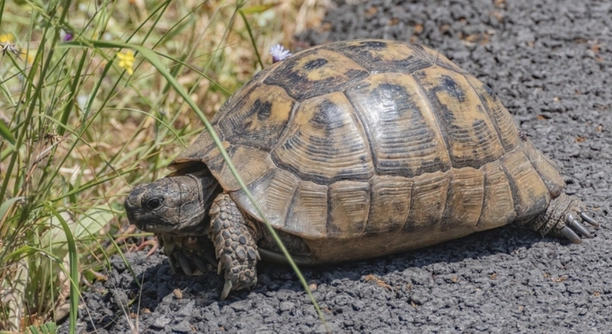
Do you ever notice your Greek tortoise shaking its head while eating and wonder what might be causing this behavior? This movement can be surprising, but it is often linked to natural instincts, environmental factors, or potential health concerns.
Greek tortoises may shake their heads while eating due to reasons such as swallowing difficulties, respiratory infections, excitement, or territorial behavior. Other possible causes include dry food textures, stress, or an attempt to remove debris from their mouths.
Understanding these causes can help you determine whether your tortoise’s behavior is normal or requires attention, ensuring their well-being and comfort while eating.
Swallowing Difficulties and Dry Food Textures
Some Greek tortoises shake their heads while eating due to difficulty swallowing. This can happen if their food is too dry or too large, making it harder to break down. A lack of moisture can cause discomfort, leading to head movements as they attempt to swallow. Providing fresh vegetables, soaking pellets, or offering smaller pieces can help reduce this issue. If your tortoise frequently struggles with food, consider adjusting its diet to include softer, more manageable textures. Proper hydration is essential for digestion, so ensure fresh water is always available.
Chopped leafy greens and moist foods can make eating easier. If your tortoise still shows difficulty, monitor its eating habits closely. Persistent problems may indicate an underlying health issue requiring veterinary attention.
Ensuring your tortoise has access to fresh, hydrating foods can improve its eating experience. Small adjustments to diet and food preparation can make a significant difference.
Respiratory Infections and Stress
Respiratory infections can cause a Greek tortoise to shake its head while eating. Mucus buildup in the nasal passages may lead to discomfort, prompting this reaction. Other symptoms include wheezing, open-mouth breathing, or lethargy. Stress can also contribute to unusual eating behaviors.
Infections often develop from inadequate humidity, poor diet, or exposure to cold temperatures. If you suspect a respiratory issue, seeking veterinary care is important. A vet can assess symptoms, prescribe medication if needed, and provide guidance on improving habitat conditions. Keeping your tortoise’s environment warm and stable can help prevent infections.
Stress-related head shaking may occur due to sudden changes in habitat, new surroundings, or loud noises. Ensuring a quiet, stable environment with proper hiding spaces can reduce stress. Regular handling should be gentle and minimal to avoid unnecessary anxiety. Observing behavior closely and making small habitat adjustments can improve your tortoise’s overall well-being.
Excitement and Territorial Behavior
Some Greek tortoises shake their heads while eating due to excitement. If they enjoy their food, this movement can be a natural response. Territorial behavior can also trigger head shaking, especially if they feel the need to assert dominance over food or space.
Excitement during feeding is common, particularly when offering favorite foods. Tortoises may associate mealtime with positive experiences, leading to enthusiastic movements. If they shake their heads but continue eating normally, there is usually no reason for concern. However, excessive head shaking combined with other unusual behaviors may indicate overstimulation or discomfort. Observing patterns can help determine if the behavior is normal or a sign of stress.
Territorial head shaking can occur if multiple tortoises share a space. Some may display dominance by moving their heads to warn others away from food. Providing separate feeding areas can reduce competition and prevent unnecessary stress during meals.
Food Debris and Mouth Irritation
Food particles can sometimes get stuck in a tortoise’s mouth, leading to head shaking as they attempt to dislodge the debris. Dry or fibrous foods, such as hay or tough vegetables, are more likely to cause irritation. Ensuring food is cut into small, manageable pieces can help prevent this issue.
Mouth irritation can also result from rough food textures or accidental injuries. Small cuts or abrasions inside the mouth may lead to discomfort, prompting repetitive head movements. If your tortoise continues shaking its head after meals, check for signs of swelling, discoloration, or difficulty closing its mouth. A vet visit may be necessary if symptoms persist.
Maintaining good oral health is important for tortoises. Softening dry foods with water and offering a varied diet can help reduce irritation. Regularly monitoring their eating habits ensures they remain comfortable while consuming their meals.
Environmental Factors and Temperature Changes
Cold temperatures can make eating difficult for Greek tortoises, leading to head shaking. When they are too cold, their metabolism slows, affecting digestion. Keeping their habitat within the proper temperature range ensures they can eat comfortably without unnecessary strain.
Improper humidity levels can also contribute to discomfort while eating. Low humidity may cause dryness in the mouth and throat, making swallowing harder. Maintaining balanced humidity levels, along with access to fresh water, helps prevent these issues and supports overall health.
Neurological Issues
Head shaking can sometimes result from neurological problems. Conditions affecting the nervous system may lead to involuntary movements, including during meals. If the shaking becomes excessive or occurs alongside other symptoms like tremors or loss of coordination, consulting a vet is recommended. Identifying the cause early can help manage symptoms effectively.
When to Seek Veterinary Help
If head shaking persists or is accompanied by other concerning symptoms, professional evaluation is necessary. A vet can diagnose underlying health issues and recommend appropriate treatment. Monitoring your tortoise’s behavior and providing a proper diet and environment can help reduce potential risks and ensure its well-being.
FAQ
Is head shaking in Greek tortoises always a sign of illness?
Not always. Head shaking can be a normal behavior caused by excitement, food debris, or territorial instincts. However, if it is frequent, excessive, or paired with other symptoms like lethargy, loss of appetite, or breathing difficulties, it may indicate a health issue requiring veterinary attention.
Can stress cause my Greek tortoise to shake its head while eating?
Yes, stress can trigger head shaking. Changes in the environment, new tank mates, or loud noises may cause nervous behavior, including head movements during meals. Providing a quiet, stable habitat with hiding spots can help your tortoise feel more secure and reduce stress-related behaviors.
Does diet play a role in head shaking?
Certain foods can contribute to head shaking, especially if they are too dry, fibrous, or irritating to the mouth. Tough vegetables, seeds, or foods with strong flavors may cause discomfort. Ensuring a balanced, soft diet with properly chopped ingredients can help prevent irritation while eating.
Can dehydration cause head shaking in Greek tortoises?
Dehydration can lead to dry mouth and throat irritation, making swallowing uncomfortable and triggering head shaking. Providing clean, fresh water at all times and maintaining proper humidity levels in their habitat helps prevent dehydration and supports overall health.
Why does my Greek tortoise shake its head only when eating certain foods?
Some foods may trigger head shaking due to texture, temperature, or taste. Crunchy, sticky, or fibrous foods can feel unusual, prompting head movements as your tortoise adjusts. Monitoring which foods cause this reaction can help in modifying their diet for easier consumption.
Should I be worried if my tortoise shakes its head but eats normally?
If the head shaking is brief and does not interfere with eating, it is usually not a cause for concern. However, persistent or excessive shaking, especially if accompanied by weight loss or difficulty chewing, should be evaluated by a vet to rule out potential health problems.
Can infections lead to head shaking in Greek tortoises?
Yes, respiratory infections, ear infections, or mouth infections can cause head shaking. Symptoms such as nasal discharge, difficulty breathing, or swelling around the mouth may indicate an underlying infection. Seeking veterinary care promptly ensures proper treatment and prevents complications.
How can I prevent excessive head shaking in my Greek tortoise?
Providing a well-balanced diet, maintaining a stable habitat with proper temperature and humidity, and monitoring for signs of stress or illness can help prevent excessive head shaking. Regular vet check-ups and ensuring a clean living environment also contribute to their overall well-being.
Is head shaking more common in younger or older Greek tortoises?
Head shaking can occur at any age but may be more noticeable in younger tortoises as they explore new foods and develop feeding habits. Older tortoises may experience head shaking if they have dental issues, neurological problems, or weakened jaw muscles.
When should I take my Greek tortoise to a vet for head shaking?
If the head shaking becomes frequent, interferes with eating, or is accompanied by other concerning symptoms like swelling, weight loss, or labored breathing, a vet visit is recommended. Early diagnosis and treatment can help address potential health concerns before they worsen.
Final Thoughts
Head shaking in Greek tortoises can have many causes, ranging from harmless behaviors to more serious health concerns. Some tortoises shake their heads when they are excited about food, while others do so due to discomfort, stress, or underlying medical conditions. Paying attention to their eating habits, environment, and overall health can help determine whether the behavior is normal or a sign of a problem. If the head shaking is occasional and does not interfere with their ability to eat, it is likely not a cause for concern. However, consistent or excessive shaking should not be ignored, especially if other symptoms are present.
Providing a proper diet, clean water, and a stress-free habitat plays an important role in preventing unnecessary head shaking. Ensuring that their food is fresh, cut into manageable pieces, and suitable for their dietary needs can reduce the risk of irritation. A well-maintained enclosure with stable temperature and humidity levels helps them stay comfortable and healthy. Regular observation of their behavior allows for early detection of any changes that could indicate illness. If a tortoise shows signs of distress, such as difficulty swallowing, nasal discharge, or lethargy, seeking veterinary care is the best course of action.
Greek tortoises rely on their owners to provide a safe and healthy environment. While head shaking can sometimes be a harmless behavior, it is essential to monitor the frequency and any related symptoms. Understanding the possible causes and making adjustments when needed can improve their well-being. When in doubt, consulting a reptile veterinarian ensures any potential health concerns are addressed before they become serious. A proactive approach to their care helps them live a long and healthy life.

Hello,
If you enjoy the content that we create, please consider saying a "Thank You!" by leaving a tip.
Every little bit helps us continue crafting quality advice that supports the health, happiness, and well-being of pets around the world, for pets of all shapes, sizes, and species.
We really appreciate the kindness and support that you show us!