
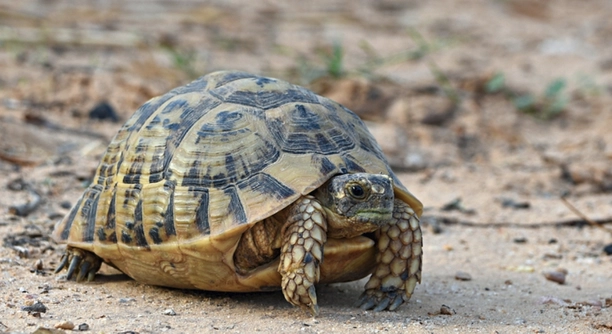
Greek tortoises, like any pet, need the right food to maintain their energy levels. Their diet directly impacts their health, activity, and overall well-being. Knowing what to feed them ensures a happy and active tortoise.
A variety of nutrient-rich foods can enhance the energy levels of Greek tortoises. Vegetables like leafy greens, as well as certain fruits and flowers, provide the necessary vitamins, minerals, and hydration, which help boost their vitality and support their natural activity patterns.
These energy-boosting foods can make a noticeable difference in your tortoise’s behavior and health. Learn about the top choices that can keep your tortoise active and thriving every day.
Leafy Greens: The Powerhouse of Nutrition
Leafy greens like dandelion greens, collard greens, and mustard greens are the best sources of energy for your Greek tortoise. These vegetables are rich in essential vitamins, including Vitamin A, which supports healthy eyesight, and Vitamin K, which helps with proper bone function. They also offer a great source of fiber that aids digestion and helps regulate your tortoise’s metabolism. The high calcium content is important for maintaining strong bones and a healthy shell.
Including a variety of these greens in your tortoise’s diet ensures they receive a balanced mix of nutrients.
Tortoises enjoy a good serving of leafy greens daily. Fresh, pesticide-free greens are the most beneficial. If you can, source them from a safe, organic garden or trusted pet supplier to avoid any harmful chemicals. Offering a mix of greens keeps things interesting for your tortoise while providing variety in its diet.
Flowers and Weeds: Natural Treats
Flowers such as hibiscus, dandelions, and clover are packed with nutrients and offer a boost of energy.
Greek tortoises love eating these plants, and they are a great source of hydration and vitamins. Rich in antioxidants, these flowers help to support overall health, giving your tortoise the energy it needs to be active and healthy. Most of these plants grow naturally in their environment, so they will feel at home munching on them. Be sure to avoid flowers that might be toxic to them, such as lilies or daffodils. Stick to safe, familiar flowers.
Cucumber: A Refreshing Source of Hydration
Cucumber is a great snack for Greek tortoises, offering both hydration and essential nutrients. The high water content in cucumber helps keep them hydrated, which is important for their overall health and energy levels. It’s a light, refreshing treat that won’t weigh them down.
Cucumbers also contain vitamin C, which helps with immune function and supports healthy skin. This vegetable can be easily added to their daily diet, either chopped or sliced. Tortoises enjoy the crunch, and the hydration it provides helps with digestion. Offering cucumber regularly can keep them feeling active.
While cucumber is healthy, it should be offered in moderation. It’s not calorie-dense, so it shouldn’t replace more nutrient-rich options. It’s best to combine cucumber with other vegetables to create a balanced meal plan. Too much cucumber can fill them up without offering enough of the other essential nutrients.
Squash: A Nutrient-Dense Veggie
Squash is another excellent choice to include in your tortoise’s diet. It is rich in vitamins A and C, both of which contribute to good health and increased energy.
This vegetable also provides a good source of fiber, which helps with digestion and regular bowel movements. Squash is easy to prepare and can be served raw or lightly cooked, offering variety to your tortoise’s meals. Regularly feeding them squash supports their metabolism and ensures they get a well-rounded diet. It can also help improve shell health due to its high vitamin A content.
The softness of squash makes it easy for tortoises to chew and digest, making it a favorite among them. It can be paired with other vegetables or fruits to create a more diverse meal plan. Be mindful not to overfeed, as variety is key to a balanced diet.
Carrots: A Delicious Source of Energy
Carrots are an excellent food choice for Greek tortoises, providing them with necessary vitamins and a burst of natural sugars for energy. They’re rich in beta-carotene, which promotes healthy eyesight and a strong immune system.
Carrots are crunchy, making them enjoyable for tortoises to munch on. Their natural sweetness makes them a popular treat that can be given regularly, but in moderation. Carrots should be part of a varied diet, as feeding them too often can lead to imbalances.
Peas: A Small Powerhouse of Protein
Peas are rich in protein and fiber, both essential for maintaining a healthy tortoise. Protein supports growth, muscle strength, and overall energy.
Offering peas as part of a balanced diet helps ensure your tortoise is getting the necessary nutrients for vitality. Peas can be given fresh or frozen, providing an extra boost to their daily meals.
Zucchini: A Tasty and Hydrating Snack
Zucchini offers hydration and a variety of vitamins that benefit your tortoise’s energy levels.
This vegetable is soft and easy for tortoises to chew, making it a great addition to their diet. It contains vitamins A, C, and E, all essential for keeping them active and healthy.
FAQ
How often should I feed my Greek tortoise?
Greek tortoises should be fed daily, but the amount and frequency can vary based on their age and activity levels. Hatchlings and juveniles need more frequent feedings (about once a day), while adults can be fed every other day or as needed. It’s important to monitor their weight and activity level to ensure they are getting enough food without overfeeding.
Can Greek tortoises eat fruit?
Yes, Greek tortoises can eat fruit, but it should only be offered in moderation. Fruits like strawberries, apples, and watermelon are high in sugar and can cause digestive issues or lead to obesity if fed too often. Fruits should make up no more than 10% of their diet, and the rest should come from leafy greens, vegetables, and flowers.
What are the best vegetables for Greek tortoises?
The best vegetables for Greek tortoises are those that are high in fiber and low in oxalates. Leafy greens like dandelion greens, collard greens, and mustard greens are great choices. Squash, zucchini, and carrots also provide essential nutrients. Avoid feeding them starchy vegetables like potatoes, as these can lead to weight gain and digestive problems.
Can Greek tortoises eat lettuce?
While lettuce can be fed to Greek tortoises, it should be offered sparingly. Iceberg lettuce has little nutritional value and can cause digestive upset. Opt for darker, nutrient-dense varieties like romaine or leaf lettuce in small amounts, and make sure it is fresh and free of pesticides.
Is it okay to feed Greek tortoises flowers?
Greek tortoises enjoy flowers, and many varieties are safe and nutritious for them to eat. Dandelions, hibiscus, clover, and geraniums are excellent options. Flowers not only provide a fun treat for tortoises but are also high in vitamins and antioxidants. Always be sure the flowers are pesticide-free and safe for consumption.
Can Greek tortoises eat spinach?
Spinach can be fed to Greek tortoises but only in small amounts due to its high oxalate content. Oxalates can interfere with calcium absorption and may lead to kidney issues if consumed in large quantities over time. It’s best to limit spinach to occasional feedings and ensure it’s balanced with other foods.
Should I give my Greek tortoise supplements?
Supplements should only be given if necessary. A well-balanced diet of leafy greens, flowers, and occasional fruits usually provides sufficient nutrients. However, if your tortoise’s diet lacks calcium or other essential minerals, you can offer a calcium supplement. Always consult with a vet before introducing any supplements to ensure they are needed and won’t cause harm.
Can I feed my Greek tortoise cactus?
Yes, cactus can be a great addition to your Greek tortoise’s diet. Prickly pear cactus, in particular, offers hydration and vitamins A and C. Be sure to remove the thorns before serving it to your tortoise, as they could cause injury. Offering cactus as a treat once in a while provides variety and additional nutrients.
What should I avoid feeding my Greek tortoise?
Avoid feeding your Greek tortoise foods that are high in fat, sugar, or oxalates. This includes foods like dairy, processed foods, and certain vegetables like potatoes and rhubarb. Also, stay away from toxic plants like lilies, daffodils, and oleander, as these can be harmful or even fatal if consumed.
Can Greek tortoises eat nuts or seeds?
Nuts and seeds should not be part of a Greek tortoise’s diet. They are high in fat and can lead to obesity or other health problems if consumed regularly. It’s better to stick to vegetables, flowers, and the occasional fruit to ensure a healthy, balanced diet for your tortoise.
How do I know if my Greek tortoise is getting enough food?
Monitor your tortoise’s weight and activity level to ensure it’s getting enough food. A healthy tortoise should be active, alert, and have a healthy, firm shell. If your tortoise seems lethargic or is losing weight, you may need to adjust its diet. Overfeeding can also be an issue, so aim for balance.
Can I feed my Greek tortoise leftovers?
It’s best to avoid feeding your Greek tortoise leftovers, especially if they’ve been sitting for a while. Leftovers may not have the necessary nutrients and could have developed bacteria that could harm your tortoise. Fresh, organic food is always the safest option.
What type of water should I provide for my Greek tortoise?
Always provide fresh, clean water for your Greek tortoise. You can use a shallow dish, ensuring that it is easy for them to drink from without drowning. Change the water daily, and make sure it’s at room temperature. Some tortoises also enjoy soaking in a shallow water dish to stay hydrated.
Final Thoughts
Feeding your Greek tortoise the right foods is key to keeping them healthy and energetic. A diet rich in leafy greens, vegetables, and safe fruits will provide them with the nutrients they need to thrive. Incorporating a variety of these foods not only ensures they are getting the right vitamins and minerals but also keeps their meals interesting and enjoyable. While it’s important to offer fresh, pesticide-free options, remember that moderation is crucial. Too much of any one food can lead to digestive problems or an unbalanced diet.
In addition to providing nutritious foods, you should also make sure your tortoise has access to clean water at all times. Hydration plays an important role in digestion and overall health. Keep an eye on your tortoise’s behavior and appearance, as it can give you clues about how well they’re adjusting to their diet. If they seem lethargic, are losing weight, or show signs of digestive issues, you may need to adjust their food intake or consult with a vet. Ensuring a proper diet will lead to a healthier and more active tortoise.
Lastly, remember that each tortoise is unique, and their food preferences or needs may vary. Pay attention to what your tortoise enjoys and what works best for them. Don’t hesitate to experiment with different vegetables and flowers to see what they respond to, but always avoid toxic plants. By offering a balanced diet and paying attention to their individual needs, your Greek tortoise will live a long, healthy, and happy life.

Hello,
If you enjoy the content that we create, please consider saying a "Thank You!" by leaving a tip.
Every little bit helps us continue crafting quality advice that supports the health, happiness, and well-being of pets around the world, for pets of all shapes, sizes, and species.
We really appreciate the kindness and support that you show us!