
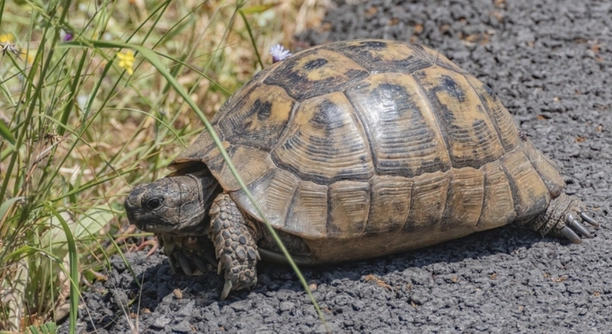
Greek tortoises are fascinating pets, but they can sometimes act in puzzling ways. If you’ve noticed your tortoise constantly hiding in its water dish, you’re not alone. Many owners wonder why their pets exhibit this behavior.
There are several reasons why a Greek tortoise may hide in its water dish. The most common causes include environmental stress, health issues, temperature fluctuations, or simply a need for comfort and security. It is important to observe your tortoise closely for other signs.
Understanding the reasons behind this behavior can help you create a better environment for your tortoise. This can improve its overall well-being and reduce stress.
Stress or Anxiety
Tortoises are sensitive creatures, and stress can make them behave in unusual ways. If your Greek tortoise is constantly hiding in its water dish, it may be experiencing some form of stress. Changes in its environment, such as moving to a new habitat or loud noises, can make it feel uneasy. Tortoises are also territorial, and any disruptions in their space might make them seek shelter. This behavior is often a sign that your tortoise feels insecure or threatened. It’s important to keep its environment calm and stable, providing a quiet place for it to retreat when it feels stressed.
One way to help reduce stress is by maintaining a consistent routine. If you handle your tortoise too much or change things frequently, it may become more anxious. Providing a safe, quiet place for it to hide, such as a small cave or shelter, can help it feel more secure and at ease.
To help your tortoise adjust, keep its enclosure in a quiet area, away from other pets and loud noises. The more stable and secure the environment, the less likely your tortoise will feel the need to hide constantly.
Temperature Issues
Another reason your tortoise may hide in its water dish is related to temperature. Greek tortoises thrive in warm, consistent environments. If the temperature in their enclosure isn’t ideal, they may seek comfort by hiding in their water dish to cool off or warm up. Tortoises can’t regulate their body temperature on their own, so they rely heavily on their environment to stay comfortable. A temperature that’s too hot or too cold can make them feel uncomfortable and seek out cooler or warmer spots to rest.
Ensuring that your tortoise’s enclosure has a proper temperature gradient is essential. There should be a warm basking area where your tortoise can warm up and a cooler area where it can retreat if needed. The water dish can sometimes provide a more consistent temperature if it’s located in a cooler spot of the habitat.
Use a thermometer to monitor the temperature regularly. If the temperature fluctuates too much, consider using a heat source or adjusting the placement of your tortoise’s water dish to help regulate its environment.
Health Problems
Health issues can cause a Greek tortoise to hide more often, including in its water dish. Common problems such as dehydration, respiratory infections, or digestive issues can make your tortoise seek out cool, damp areas to feel better. If it’s not eating properly or is lethargic, this could indicate something is wrong.
If you suspect health problems, take your tortoise to a veterinarian who specializes in reptiles. A thorough check-up can help identify any underlying health conditions, and early treatment can prevent further complications. Monitoring its behavior closely, including changes in activity level, eating habits, and shell condition, is key.
Keeping your tortoise’s habitat clean and ensuring it has access to fresh food and water is important for its overall health. By providing proper care, you can help prevent health issues from affecting your tortoise’s behavior and well-being.
Humidity Levels
Humidity plays a significant role in a Greek tortoise’s behavior. If the air in its enclosure is too dry, the tortoise may try to find moisture in its water dish. Excessively low humidity can lead to dehydration, dry skin, or even respiratory issues, prompting your tortoise to seek out moisture sources.
You can help regulate humidity by misting the enclosure or using a humidity gauge to monitor the levels. Adding damp moss or a humid hide box can help create a more comfortable environment. A water dish placed in a cool spot can also increase humidity.
Tortoises naturally seek moisture when they feel dehydrated or overheated, so ensuring a balanced humidity level is essential for their comfort. A well-maintained environment will prevent your tortoise from excessively hiding in the water dish.
Inadequate Lighting
Improper lighting can lead to your tortoise seeking shelter in its water dish. Greek tortoises need both UVB light for vitamin D3 production and a heat source to regulate their body temperature. Without adequate lighting, your tortoise may feel discomfort or stress, prompting it to hide.
Providing proper lighting with a UVB bulb is essential. These lights help tortoises metabolize calcium and promote healthy shell growth. Without it, your tortoise may not thrive, leading it to seek refuge in its water dish for comfort. Check that the light is in good condition and placed correctly.
Lack of Space
If your tortoise’s enclosure is too small, it may feel cramped and stressed, prompting it to hide in its water dish for relief. A cramped space doesn’t give your tortoise enough room to move around, bask, or find a comfortable hiding spot.
Ensure that your tortoise’s enclosure is spacious enough for it to explore freely. Tortoises need space to roam and bask under their heat source. If they feel confined, they may resort to hiding more often, including in the water dish. The larger the space, the better.
Natural Instincts
Hiding is a natural behavior for Greek tortoises, especially when they feel threatened or want to rest. Water dishes offer a cool, secluded spot, which appeals to their instincts. It’s their way of staying safe and comfortable.
Tortoises instinctively look for hiding spots to protect themselves from predators or to avoid environmental stress. Providing plenty of hiding places within the enclosure can reduce their urge to seek shelter in the water dish.
FAQ
Why is my Greek tortoise spending so much time in its water dish?
There are several reasons why your Greek tortoise may be spending a lot of time in its water dish. Stress, environmental factors, health issues, or natural instincts can all contribute to this behavior. Your tortoise may be trying to cool down, hydrate, or seek shelter if it feels threatened. It’s essential to monitor its overall environment to ensure it’s comfortable. Consider factors like temperature, humidity, lighting, and the size of the enclosure to make sure everything is suitable for your tortoise’s needs.
Can I place a hide in the water dish to stop my tortoise from hiding there?
While it’s a good idea to provide hiding spots for your tortoise, placing a hide in the water dish may not be ideal. Water dishes should be kept clean and large enough for the tortoise to soak if needed, but adding objects in the dish can make it harder for your tortoise to use it properly. Instead, place hides around the enclosure to give your tortoise other areas to retreat to. This way, it will feel secure without relying on the water dish.
Should I be concerned if my tortoise spends too much time in the water dish?
If your tortoise is consistently spending too much time in its water dish, it’s worth looking into the environment and its health. While it’s normal for tortoises to occasionally seek out water or cool spots, excessive time in the dish could indicate stress, dehydration, or temperature issues. Make sure the enclosure provides proper temperature gradients and humidity levels. Also, check your tortoise for signs of illness such as lethargy, poor appetite, or abnormal behavior. If the behavior persists, consult a reptile vet.
How can I make sure my tortoise has a proper temperature and humidity level?
To maintain proper temperature and humidity for your tortoise, invest in a thermometer and hygrometer to monitor the conditions. The basking area should be around 90–95°F (32–35°C), while the cooler side of the enclosure should be around 75°F (24°C). A humidity level between 40-60% is optimal. You can use a humidity gauge to track this. Misting the enclosure or adding moist hides can help maintain humidity, while a heat lamp or ceramic heat emitter can regulate temperature.
Is it normal for my tortoise to sleep in the water dish?
It’s not uncommon for a Greek tortoise to sleep in the water dish, but it could be a sign of environmental issues like excessive heat or dryness. Make sure your tortoise has access to cooler, shaded areas, and ensure the humidity is within the ideal range. If your tortoise continues to sleep in the dish, it may be trying to escape uncomfortable conditions. Regularly check its health and environmental setup to make sure it has enough space, food, and hydration.
How do I keep my tortoise hydrated without it constantly hiding in the water dish?
To keep your tortoise hydrated without relying on the water dish, provide fresh water in a large, shallow dish that is easily accessible. You can also offer hydration through misting the enclosure or by providing moist, hydrating foods like leafy greens or edible flowers. Regularly soaking your tortoise in a shallow bath for about 15-20 minutes a few times a week will also ensure it stays properly hydrated. Make sure the water dish is clean to avoid any risk of bacteria.
Could my tortoise be overheating if it’s hiding in the water dish?
Yes, overheating can cause your tortoise to seek out the water dish as a way to cool down. If the basking spot is too hot, your tortoise may go into the water dish to regulate its body temperature. Ensure that the temperature gradient in the enclosure is appropriate, with a warm basking area and a cooler zone for the tortoise to retreat to when needed. If you find that your tortoise is consistently seeking cooler areas, check the temperature and adjust it accordingly.
How can I tell if my tortoise is stressed and hiding for that reason?
Stress in tortoises can manifest in several ways, including hiding, lack of appetite, or changes in activity levels. If your tortoise is constantly hiding in the water dish, it might be a sign of stress. Stress can result from environmental changes, overhandling, or loud noises. You can help reduce stress by keeping the enclosure in a quiet, calm area, providing hiding spots, and avoiding excessive handling. Also, ensure the enclosure is the right size and that the temperature, humidity, and lighting are suitable.
Why does my tortoise seem to prefer its water dish over its basking area?
If your tortoise prefers its water dish over its basking area, it may be trying to regulate its body temperature or find moisture. Tortoises often seek out water to cool down or hydrate when they’re feeling too warm or dry. It could also indicate that the basking area isn’t warm enough, or that there’s an issue with the humidity in the enclosure. Check the temperature of the basking spot and make sure it’s in the ideal range for your tortoise to bask comfortably. If needed, adjust the position of the heat source to maintain a proper temperature gradient.
Final Thoughts
If your Greek tortoise is constantly hiding in its water dish, it’s important to understand that this behavior is often related to environmental factors or health concerns. Tortoises rely on their surroundings to feel comfortable, so any changes in temperature, humidity, or lighting can lead them to seek shelter in places like their water dish. Stress, health issues, or even just natural instincts can all play a role in this behavior. Keeping a close eye on the overall environment can help prevent these issues and make your tortoise feel more at ease.
The first step to addressing this behavior is to make sure your tortoise’s habitat is set up correctly. It should have proper temperature gradients, with a warm basking area and a cooler spot to retreat to. Humidity should also be within the right range to help your tortoise stay hydrated and avoid dehydration. You’ll also want to check the lighting in the enclosure to ensure it has UVB light for proper calcium absorption and overall health. Providing your tortoise with plenty of hiding spots and a large enough enclosure to roam around in will also help prevent it from spending too much time in the water dish.
Finally, if you’ve made all these adjustments and your tortoise is still hiding in its water dish, it could be a sign of health problems. If your tortoise shows signs of illness, such as a lack of appetite, lethargy, or abnormal behavior, it’s best to consult with a reptile veterinarian. They can check for any underlying issues and provide proper treatment. Monitoring your tortoise’s behavior and environment is key to ensuring its well-being. By addressing stress factors, providing a healthy habitat, and seeking veterinary help when needed, you can help your tortoise live a long, happy life.

Hello,
If you enjoy the content that we create, please consider saying a "Thank You!" by leaving a tip.
Every little bit helps us continue crafting quality advice that supports the health, happiness, and well-being of pets around the world, for pets of all shapes, sizes, and species.
We really appreciate the kindness and support that you show us!