
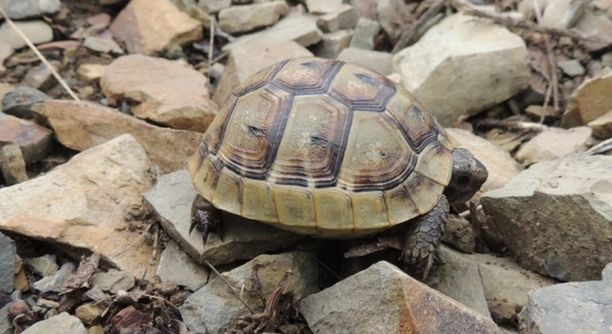
If you notice your Greek tortoise biting its feet, you may be puzzled and concerned. This behavior can seem odd, but it’s important to understand what could be causing it.
The behavior of biting its feet can result from several factors, such as stress, boredom, or even an underlying medical issue. Tortoises may bite themselves due to irritants like fungal infections or physical discomfort caused by their environment.
Understanding these reasons will help ensure the health and well-being of your tortoise. Keep reading to learn about possible causes and how you can help your pet.
Stress and Anxiety
Stress is one of the most common reasons your Greek tortoise may be biting its feet. Tortoises, like many animals, can be sensitive to changes in their environment. A sudden change in temperature, lighting, or habitat can lead to anxiety. When stressed, tortoises often exhibit unusual behaviors like biting or scratching at their limbs. These actions can be an attempt to cope with discomfort or express their unease. If the environment isn’t optimal, such as inadequate humidity or improper lighting, it could trigger stress in your tortoise. You may also notice this behavior if the tortoise is housed with other pets or too many individuals, leading to tension and insecurity. To minimize stress, ensure your tortoise’s enclosure is calm and consistent, with appropriate heating, lighting, and space.
Creating a stable environment is key to reducing stress. If your tortoise’s living conditions are comfortable, it is less likely to exhibit anxious behavior like biting.
Consider reevaluating your pet’s habitat to maintain stability. Proper care can help reduce unwanted behaviors and ensure a healthy, happy tortoise.
Boredom and Lack of Stimulation
Tortoises are active and curious creatures, so if they’re not getting enough mental or physical stimulation, they might resort to repetitive behaviors like biting their feet. A lack of enrichment can be a major factor in tortoises developing this habit. Unlike other pets, tortoises don’t seek out companionship or entertainment, so it’s essential to create a stimulating environment for them. This could include adding more objects to their enclosure, such as rocks or branches, that encourage exploration and exercise. Offering different types of food for foraging can also engage them and reduce the chances of repetitive behaviors. If your tortoise is isolated or has limited access to stimulation, you may notice it spending more time biting or chewing on its limbs.
Adding items that mimic natural surroundings can keep your tortoise engaged. Even simple changes, such as introducing a new hiding spot, can reduce stress and boredom.
An enriched environment will help prevent such behaviors and promote better overall well-being for your tortoise.
Medical Issues
If your Greek tortoise continues to bite its feet, it could indicate a medical issue that requires attention. Common health concerns like fungal or bacterial infections can cause irritation. Additionally, tortoises may experience discomfort from parasites or skin injuries, leading them to bite at the affected area. These issues often go unnoticed until the behavior becomes more apparent. It’s important to carefully examine the tortoise’s feet and skin for any signs of redness, swelling, or unusual spots. If you notice these symptoms, it’s a good idea to consult a vet for a proper diagnosis.
Infections, whether fungal or bacterial, can cause tortoises to exhibit unusual behavior like foot-biting. These infections can result in discomfort and itching, prompting your pet to bite or rub its feet. If untreated, the infection can worsen and lead to more serious health problems. Therefore, it’s crucial to take swift action when signs of infection or injury appear.
Taking your tortoise to a vet is the best option if you suspect a health issue. A professional will be able to diagnose and treat the condition appropriately, ensuring your tortoise returns to good health.
Poor Diet
A poor diet can also lead to unusual behaviors in your tortoise, including biting its feet. When tortoises lack the proper nutrients, they may suffer from deficiencies that impact their overall health. For instance, inadequate calcium or vitamin A can lead to metabolic bone disease or skin issues, which might make your tortoise more likely to bite or scratch itself. Additionally, an imbalanced diet may cause digestive discomfort, leading to stress and behavioral changes. Ensure your tortoise has access to a varied and balanced diet, including leafy greens, vegetables, and occasional fruits.
If your tortoise isn’t receiving the proper nutrients, it can affect its ability to maintain healthy skin, bones, and immune function. Nutrient deficiencies can also make the tortoise more vulnerable to infections, which could lead to excessive biting. Offering a healthy, well-rounded diet with sufficient calcium, fiber, and vitamins is essential to preventing this issue.
You can improve your tortoise’s diet by offering a wide variety of vegetables, supplemented with occasional fruit or protein. A balanced diet will support your tortoise’s immune system and reduce the chances of behavioral problems like foot-biting.
Inadequate Lighting
Inadequate lighting can also contribute to your tortoise biting its feet. Tortoises rely on proper UVB lighting to regulate their metabolism and calcium absorption. Without it, they may become stressed and develop health problems, which can lead to unusual behaviors like foot-biting. Make sure your tortoise’s enclosure has proper lighting for both warmth and UVB rays.
If the lighting is inadequate, it can lead to metabolic issues that affect your tortoise’s health. This can cause discomfort, and in turn, biting behavior. Always ensure your tortoise has access to both natural light and UVB rays for proper development.
Investing in a quality UVB light source can help prevent many health problems that arise from improper lighting. This can reduce unwanted behaviors like biting and scratching.
Temperature Issues
Improper temperature can cause your tortoise to bite its feet. Tortoises need a warm environment to thrive, and temperatures that are too low can cause discomfort or stress. Ensure the enclosure has a basking area that is warm enough while still providing cooler spots for your tortoise to regulate its body temperature.
If the temperature is too cold, your tortoise may become lethargic and stressed, which can lead to foot-biting. Proper temperature regulation in their habitat allows your tortoise to feel secure and healthy. A basking spot of 90-95°F (32-35°C) is ideal.
Having a thermometer in the enclosure will help you monitor the temperature closely, ensuring that your tortoise stays comfortable and stress-free. Proper warmth promotes healthy behavior and reduces the risk of foot-biting.
FAQ
Why does my Greek tortoise bite its feet?
There are several possible reasons why your tortoise might be biting its feet. Stress, boredom, medical issues, or environmental factors such as poor lighting, temperature, or diet can all contribute to this behavior. It is important to assess your tortoise’s environment and health. A visit to a vet might be necessary if the behavior persists or if you notice any physical changes.
Can my tortoise’s diet affect its behavior?
Yes, a poor diet can lead to deficiencies that cause your tortoise to act out. Lack of proper nutrients, such as calcium, vitamin A, and fiber, can result in health problems. This may cause pain or discomfort, leading your tortoise to bite its feet. Make sure you provide a balanced diet, including leafy greens, vegetables, and occasional fruits, to maintain their health.
What are some common medical reasons for this behavior?
Common medical reasons for foot-biting include fungal or bacterial infections, skin irritations, or parasites. These issues can cause discomfort, leading your tortoise to bite or scratch at the affected area. If you notice swelling, redness, or open sores, it’s crucial to take your tortoise to a vet for a diagnosis and treatment.
How do I know if my tortoise is stressed?
Signs of stress in tortoises can include biting feet, excessive hiding, lethargy, or changes in eating habits. Environmental changes, overcrowding, or lack of stimulation can cause stress. Providing a stable environment with proper lighting, temperature, and space is essential for reducing stress. You should also limit any potential sources of distress, like loud noises or the presence of other pets.
Is my tortoise biting its feet due to boredom?
Tortoises are naturally curious and active animals. If your tortoise isn’t getting enough stimulation, it might resort to repetitive behaviors like biting its feet. Adding new objects to the enclosure, like rocks or branches, and offering different foods can help keep your tortoise engaged and reduce boredom-related behaviors.
How can I improve my tortoise’s environment to stop the biting?
To create a more stimulating environment, try adding more variety to the enclosure. Include objects that encourage your tortoise to explore, such as climbing structures, hiding spots, or substrate to dig in. Also, ensure your tortoise’s habitat has proper lighting, temperature, and humidity. A consistent, calm environment will help keep your tortoise relaxed and prevent unwanted behaviors.
Does my tortoise need UVB lighting?
Yes, UVB lighting is crucial for your tortoise’s health. It helps with calcium absorption and prevents metabolic bone disease. Without proper UVB light, your tortoise may become stressed and may develop health problems that can lead to behaviors like biting its feet. Make sure to use a high-quality UVB bulb, and replace it every 6 to 12 months, as it loses its effectiveness over time.
How often should I change my tortoise’s bedding?
Bedding should be changed regularly to prevent any bacterial buildup or infection that could lead to biting. Depending on the type of bedding you use, it is recommended to change it every 2-4 weeks. Regular cleaning and replacing the substrate can help maintain a healthy environment and reduce the risk of skin irritations or infections.
Can parasites cause my tortoise to bite its feet?
Yes, parasites like mites or worms can irritate your tortoise’s skin, leading to biting and scratching. If your tortoise seems uncomfortable and exhibits symptoms such as excessive rubbing, unusual behavior, or visible marks on the skin, it may have parasites. A vet can provide the necessary treatments to eliminate them and prevent further issues.
What is the ideal temperature for my tortoise’s enclosure?
Your tortoise’s enclosure should have a basking spot with temperatures between 90-95°F (32-35°C), while the cooler area of the enclosure should be around 75-80°F (24-27°C). Proper temperature regulation is essential for your tortoise’s well-being. If the environment is too cold, your tortoise may become stressed or lethargic, which could lead to biting behaviors.
How can I tell if my tortoise has a fungal infection?
Fungal infections can cause discoloration or abnormal growths on the skin. You may notice patches of white, yellow, or brown on the feet or other areas of the body. These infections can lead to itching or discomfort, causing your tortoise to bite its feet. If you suspect a fungal infection, consult a vet for proper treatment.
Should I be concerned if my tortoise is biting only one foot?
If your tortoise is biting just one foot, it could indicate an injury or irritation on that foot. It’s important to inspect the foot for signs of cuts, swelling, or infections. If the foot appears healthy but the behavior continues, it could still be caused by stress or other environmental factors.
What can I do to prevent foot-biting in my tortoise?
To prevent foot-biting, provide a stable environment with proper lighting, temperature, and humidity. Ensure your tortoise has a balanced diet, and add enrichment items to its enclosure to reduce boredom. Regularly check for any signs of medical issues, and make sure your tortoise has a clean, comfortable habitat.
Can foot-biting be a sign of a deeper behavioral issue?
While foot-biting is often caused by environmental or medical factors, it could also indicate a deeper behavioral issue, such as chronic stress or frustration. If the behavior continues despite addressing all the common causes, you may need to consult with a veterinarian who specializes in reptiles to explore other underlying issues.
Final Thoughts
Understanding why a Greek tortoise bites its feet requires careful observation and attention to its environment, diet, and overall health. Many factors, such as stress, boredom, infections, or improper husbandry, can contribute to this behavior. Identifying the root cause is essential for ensuring your tortoise’s well-being. Simple adjustments like improving the enclosure, providing proper nutrition, and maintaining good hygiene can make a significant difference. Regular vet check-ups are also important in detecting any underlying medical issues before they worsen. A well-cared-for tortoise is less likely to engage in self-destructive behaviors, ensuring a long and healthy life.
Providing a suitable habitat with proper heating, lighting, and enrichment is key to preventing stress-related behaviors. Tortoises thrive in a stable and well-maintained environment where they have space to move, hide, and explore. Offering a variety of foods rich in essential nutrients also plays a role in their overall health. Keeping the enclosure clean and monitoring for any signs of illness or injury can help prevent discomfort that may lead to biting. Owners should regularly check their tortoise’s physical condition and behavioral patterns, making adjustments as needed to promote a safe and comfortable living space.
Consistency in care and early intervention are crucial in managing unusual behaviors like foot-biting. If the behavior persists despite addressing environmental and dietary factors, consulting a veterinarian is the best course of action. Tortoises rely on their owners to maintain proper conditions, and even small changes can have a big impact on their health. By being proactive and observant, you can ensure that your tortoise remains comfortable and free from stress or medical issues. Keeping up with proper husbandry practices will not only prevent problematic behaviors but also allow your tortoise to live a happy, enriched life.

Hello,
If you enjoy the content that we create, please consider saying a "Thank You!" by leaving a tip.
Every little bit helps us continue crafting quality advice that supports the health, happiness, and well-being of pets around the world, for pets of all shapes, sizes, and species.
We really appreciate the kindness and support that you show us!