
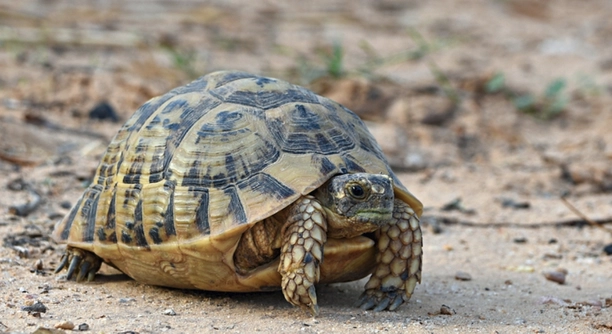
Greek tortoises are fascinating pets, and their care can sometimes raise questions. If you’ve noticed your tortoise shedding its skin in patches, there may be specific reasons behind it. This behavior can be linked to various factors.
Shedding in patches is often a natural process for Greek tortoises, triggered by several factors. It may be due to humidity imbalances, seasonal changes, or even health concerns like parasites or dehydration. Identifying the cause is essential for proper care.
Understanding why this happens can help you take the right steps to improve your tortoise’s well-being. By identifying the root cause, you can ensure a healthier and happier life for your pet.
1. Humidity Imbalance
Humidity plays a major role in the health of Greek tortoises. If the humidity in their environment is either too high or too low, it can lead to shedding issues. A dry environment can cause the skin to become hard and flaky, while excessive humidity can create an uncomfortable, sticky situation for your tortoise. This imbalance prevents the skin from shedding naturally and in one smooth process, causing patches.
A consistent level of humidity (around 50-60%) is ideal for a Greek tortoise. This can be achieved through the use of humidity gauges and by adjusting their living environment as needed. Regular misting or a humidifier can help when the air is too dry.
Pay attention to the specific humidity needs of your tortoise species. Ensuring the proper humidity levels in their enclosure can reduce skin shedding issues and keep your pet comfortable. This simple change can make a big difference in preventing patchy skin.
2. Seasonal Changes
Seasonal changes affect a tortoise’s skin shedding. During warmer months, tortoises may experience a natural shedding process, where their skin peels off in patches. This is completely normal, as they prepare for a new layer of skin to grow. The skin on your tortoise’s shell and legs may shed more significantly during this time.
Temperature fluctuations, combined with seasonal shifts, can stress out your tortoise. This stress may lead to an uneven shedding process. During colder months, your tortoise may slow down or go into brumation, which can also impact skin health. Understanding the seasonal cycle helps manage your tortoise’s care.
When the weather shifts, so does your tortoise’s shedding pattern. By maintaining proper care during these times, you can minimize the effects and ensure their skin stays healthy and smooth. This proactive approach keeps your pet’s skin shedding process as natural as possible.
3. Dehydration
Dehydration is a common cause of patchy skin shedding in Greek tortoises. When they don’t get enough water, their skin can become dry and hard, making it difficult to shed properly. It’s important to ensure your tortoise always has access to fresh water.
You can encourage hydration by providing a shallow water dish for soaking. Some tortoises also benefit from gentle misting to maintain skin moisture. If your tortoise seems dehydrated, consider soaking them in lukewarm water for 15-20 minutes every few days. This helps them absorb moisture through their skin.
Maintaining proper hydration not only helps with skin shedding but also keeps your tortoise’s overall health in check. Dehydration can lead to other health problems, so regularly check their water supply and offer water-filled vegetables, such as leafy greens, to help them stay hydrated.
4. Skin Injuries or Infections
If your tortoise has skin injuries or infections, it can cause irregular shedding patterns. Any scratches, bites, or abrasions can lead to the skin shedding unevenly. Even minor injuries can disrupt the natural shedding process.
Infections, particularly fungal or bacterial, can also contribute to patchy shedding. These infections can make the skin more fragile, leading to shedding in spots rather than a smooth, full-body molt. Keep a close eye on your tortoise’s skin for any unusual spots or lesions.
If you suspect an infection or injury, consult a vet immediately. Proper treatment can prevent further issues, including abnormal skin shedding. Regularly check for signs of injury or infection, especially if your tortoise spends time in outdoor enclosures where risks are higher.
5. Parasites
Parasites like mites and ticks can irritate a tortoise’s skin, leading to shedding in patches. These pests often cause inflammation, which disrupts the normal shedding process. Checking for parasites regularly helps prevent this issue.
If you notice your tortoise scratching or acting distressed, it may be a sign of parasites. The presence of mites or ticks can also cause small scabs or bumps on the skin, leading to uneven shedding. Regularly clean the enclosure to prevent parasites from infesting your tortoise. If needed, consult a vet for safe parasite treatment options.
6. Improper Diet
An improper diet can affect your tortoise’s skin health, causing patchy shedding. Nutritional deficiencies, particularly a lack of vitamin A, can make it harder for your tortoise to shed properly. A diet high in leafy greens, vegetables, and fruits can prevent skin problems.
Overfeeding or providing the wrong types of food, such as too much fruit or fatty foods, can lead to other health issues that affect skin shedding. A balanced diet is essential for maintaining healthy skin. Make sure your tortoise’s food is varied and rich in essential nutrients to support skin renewal and growth.
7. Stress
Stress is another major factor in patchy shedding. Changes in your tortoise’s environment or routine, such as moving their enclosure or introducing new animals, can cause stress that affects their skin. Chronic stress weakens their immune system, making it harder for them to shed properly.
To minimize stress, ensure your tortoise’s habitat is stable and free from disturbances. Provide a quiet, comfortable space where they feel safe and secure. Avoid handling them excessively or making abrupt changes to their routine, as this can trigger stress-related shedding issues.
FAQ
What should I do if my Greek tortoise’s skin is shedding in patches?
If your tortoise is shedding in patches, the first step is to assess its environment. Check the humidity levels to make sure they are within the recommended range of 50-60%. Next, ensure your tortoise is properly hydrated and has access to clean, fresh water. If the issue persists, look for signs of injury, infection, or parasites. A visit to the vet may be necessary if there’s concern about health issues beyond typical shedding.
How can I help my Greek tortoise shed properly?
To help your Greek tortoise shed properly, provide a stable environment with the correct temperature and humidity. Offer regular opportunities for hydration, either by soaking them in lukewarm water or ensuring they have access to a shallow dish. A balanced diet full of vitamin A-rich foods, like leafy greens, can also promote healthy skin.
Can skin shedding be a sign of illness in my tortoise?
Yes, abnormal skin shedding can be a sign of illness. If the shedding is accompanied by other symptoms like lethargy, loss of appetite, or changes in behavior, it’s important to have your tortoise checked by a vet. Infections or parasites may be the underlying cause of the shedding.
Is it normal for a Greek tortoise to shed its skin in patches?
It is normal for Greek tortoises to shed their skin, but shedding in patches can indicate an issue. If the shedding is gradual and the skin is flaking evenly, it’s likely just part of the natural process. However, if it’s in large, uneven patches, it could be related to environmental factors, dehydration, or health issues.
How often do Greek tortoises shed their skin?
Greek tortoises typically shed their skin every few months, though it varies depending on age, health, and environmental factors. Young tortoises may shed more frequently, while older ones shed less often. Environmental conditions, such as humidity and temperature, can also influence shedding patterns.
Can I bathe my Greek tortoise to help with shedding?
Yes, bathing your Greek tortoise in shallow, lukewarm water for about 15-20 minutes can help with hydration and skin health. The gentle soaking may encourage the skin to shed more evenly. It’s important not to overdo it, as too much moisture can create other issues, like shell rot.
What should I feed my Greek tortoise to help with skin health?
A diet rich in vitamin A is crucial for healthy skin in Greek tortoises. This can be achieved by feeding them a variety of dark leafy greens like kale, collard greens, and dandelion greens. You can also offer other vegetables like squash and carrots. Avoid feeding too much fruit, as it can cause digestive issues and imbalances in nutrients.
How can I prevent parasites in my Greek tortoise?
To prevent parasites, regularly clean your tortoise’s enclosure and remove any uneaten food promptly. Provide a safe and clean environment, free of pests like mites and ticks. If your tortoise is housed outdoors, keep an eye out for external parasites and consult a vet for treatment if necessary.
What temperature should I maintain for my Greek tortoise?
The ideal temperature for a Greek tortoise’s enclosure is between 75-85°F during the day. At night, the temperature should drop to around 65-70°F. These temperatures help regulate your tortoise’s metabolism and promote overall health, which includes proper skin shedding. A heat source like a basking lamp is essential to provide warmth.
Should I be concerned if my tortoise sheds only on one part of its body?
Shedding only on one part of the body can indicate an issue, such as dehydration, injury, or infection. If the skin is not shedding evenly, it’s worth examining your tortoise for signs of illness or discomfort. A visit to the vet might be necessary to rule out any health concerns.
Can stress cause my Greek tortoise to shed its skin in patches?
Yes, stress is a common factor that can cause patchy shedding in Greek tortoises. Changes in their environment, such as moving their enclosure or introducing new animals, can stress them out. Chronic stress can weaken the immune system, making it harder for your tortoise to shed skin properly.
How do I know if my Greek tortoise has a skin infection?
Signs of a skin infection in a Greek tortoise include redness, swelling, discharge, or an unusual odor coming from the skin. If the skin is shedding in patches and there are signs of irritation or lesions, it may be a bacterial or fungal infection. Consulting with a vet is essential for proper diagnosis and treatment.
How long should it take for my tortoise to shed its skin?
Typically, it takes about 1-2 weeks for a Greek tortoise to complete the shedding process. This can vary depending on factors such as age, diet, and environmental conditions. If the shedding process is prolonged or incomplete, there may be an underlying issue that needs attention.
Can poor diet affect skin shedding in Greek tortoises?
Yes, a poor diet can affect skin shedding. A lack of essential nutrients, especially vitamin A, can lead to dry, flaky, and patchy skin. Ensure your tortoise has a balanced diet with a variety of dark leafy greens, vegetables, and some high-fiber foods to support proper skin health.
What should I do if my tortoise’s skin shedding doesn’t improve?
If the skin shedding does not improve after addressing potential environmental factors, hydration, and diet, it’s important to seek professional advice from a vet. A skin infection, parasites, or other health conditions may be contributing to the problem.
Final Thoughts
Shedding is a normal part of a Greek tortoise’s life cycle. It is important to remember that while shedding in patches can sometimes be concerning, it is not always a sign of serious health issues. The most common causes for patchy shedding include improper humidity, dehydration, or stress. When these factors are corrected, the shedding process should return to normal. In most cases, once the environment is adjusted, your tortoise will resume healthy shedding.
However, if patchy shedding persists despite making changes to their habitat and diet, it’s a good idea to look deeper into the situation. Checking for other signs of illness or injury can help determine if there is an underlying problem that needs medical attention. Sometimes, skin infections, parasites, or even metabolic issues can contribute to abnormal shedding. A visit to the vet can provide clarity and ensure your tortoise gets the proper treatment if needed.
Taking proactive steps like offering a balanced diet rich in vitamin A, maintaining the correct temperature and humidity levels, and keeping your tortoise hydrated can support its overall health. Regularly cleaning its enclosure and ensuring it is free from pests also helps to prevent many of the issues that could cause skin shedding problems. By staying attentive to your tortoise’s needs, you can help ensure its long-term health and well-being, making sure it lives a happy and healthy life.

Hello,
If you enjoy the content that we create, please consider saying a "Thank You!" by leaving a tip.
Every little bit helps us continue crafting quality advice that supports the health, happiness, and well-being of pets around the world, for pets of all shapes, sizes, and species.
We really appreciate the kindness and support that you show us!