
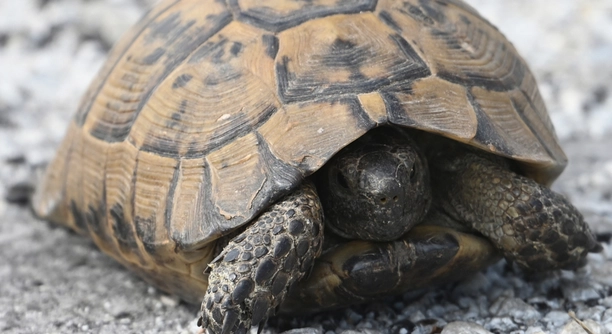
If your Greek tortoise is trying to burrow indoors, you might be wondering why it’s choosing this behavior over its outdoor habitat. Understanding the causes behind this can help you provide the best environment for your pet.
Greek tortoises may burrow indoors due to factors such as temperature fluctuations, the need for a secure space, or environmental stressors. They instinctively seek warmth, comfort, and safety, which they often associate with indoor settings.
Knowing the reasons behind your tortoise’s behavior will assist in creating a more suitable environment for its well-being.
Temperature Changes
Greek tortoises are highly sensitive to temperature changes. If they feel too cold outside, they instinctively seek warmth. The indoor environment, especially during colder months, offers a consistent temperature that appeals to them. If your tortoise burrows indoors, it could be trying to find a more stable environment.
Sometimes, outdoor temperatures fluctuate too much, leaving your tortoise feeling uncomfortable. If the weather suddenly turns cold or damp, it may retreat inside to avoid the risk of becoming too cold or stressed. This instinct helps them stay safe.
To ensure your tortoise stays comfortable, consider placing a heated area or a warm shelter in their outdoor habitat. Doing so will provide an option for your tortoise to regulate its temperature properly. Without this, it might be inclined to burrow indoors to escape fluctuating temperatures, which could affect its health and well-being.
Environmental Stress
Greek tortoises often retreat to burrows when they feel stressed by their surroundings. Stressors like loud noises, sudden movements, or even the presence of other animals may cause your tortoise to seek refuge.
When a tortoise feels threatened or unsafe, it may instinctively look for a place where it can hide and feel secure. This could be indoors, where it senses a more controlled and calm environment. Stressors in its natural habitat can drive this behavior.
To reduce stress, keep the tortoise’s environment quiet and peaceful. Creating a calm outdoor enclosure can help minimize the need for your tortoise to burrow indoors. The less stress it feels, the less likely it will try to find a place of safety indoors. This simple adjustment can enhance its overall health.
Need for a Safe Space
A Greek tortoise will often burrow if it feels the need for safety and security. This is a natural behavior where they seek out a place where they feel protected. Indoor spaces may seem more secure to them than an outdoor environment that feels exposed or vulnerable.
If your tortoise is burrowing indoors, it could be searching for a space that feels more secure. Outdoors, it might encounter predators, loud noises, or weather conditions that make it uneasy. Indoors, it may find refuge from these threats. Tortoises have strong instincts when it comes to seeking safety, and this behavior is a natural response to external stressors.
To reduce this behavior, try enhancing the security of your tortoise’s outdoor environment. Providing hiding spots, barriers, or a sheltered space can give your tortoise a sense of safety, making it less likely to burrow indoors. By meeting its security needs outside, your tortoise will feel more at ease.
Inadequate Outdoor Habitat
An outdoor habitat that’s not suited to a Greek tortoise’s needs might push it to burrow indoors. If the space is too small or lacks enough shelter, your tortoise will search for a better environment.
A proper outdoor habitat for your tortoise should include ample space to roam, areas of shade, and secure spots for burrowing. Without these, your tortoise will feel uncomfortable and may start seeking more favorable conditions indoors. Additionally, a poor-quality habitat can result in stress, making the tortoise look for a safer environment. Ensuring that its enclosure is both spacious and suitable for burrowing will allow your tortoise to feel comfortable in its natural environment.
If your tortoise’s outdoor habitat lacks any of these essential features, consider making improvements. Larger areas, a few shaded spots, and natural materials like dirt or rocks will provide your tortoise with the comfort it needs. A well-maintained outdoor habitat helps prevent the urge to burrow indoors.
Inconsistent Lighting
Inconsistent lighting in your tortoise’s environment could cause it to seek out an indoor space to burrow. Greek tortoises require a natural light cycle for proper health. If this is disrupted, they may feel the need to retreat to a more controlled environment.
Lighting plays a crucial role in the health and behavior of your tortoise. Inconsistent exposure to light or darkness could disorient your tortoise, prompting it to search for a more predictable and stable environment indoors. Proper lighting ensures your tortoise maintains its natural rhythms, such as feeding and burrowing habits. Without this, it may look for the comfort and security of an indoor space.
Ensure your tortoise’s outdoor habitat has adequate natural light during the day. If this is difficult, a full-spectrum UV light indoors can help regulate its light exposure. This can reduce the need for your tortoise to burrow inside.
Seasonal Behavior
Seasonal changes influence the behavior of many reptiles, including Greek tortoises. As the weather cools, your tortoise may feel the instinct to seek warmth indoors.
Greek tortoises may burrow indoors during colder months, as they associate warmth with safety and comfort. As temperatures drop outside, their natural instinct is to search for a more suitable temperature for hibernation or rest. In nature, tortoises would burrow underground to find a stable, warm environment, and an indoor space can mimic that behavior.
FAQ
Why is my Greek tortoise digging indoors?
Greek tortoises dig indoors primarily to find a comfortable, safe, and stable environment. When faced with temperature changes, stress, or inadequate outdoor shelter, they may instinctively seek a place that offers more security and warmth. Digging allows them to create a sheltered space that mimics natural burrowing behavior. Indoors may seem like a more reliable refuge compared to the unpredictable conditions outside.
Can a Greek tortoise live entirely indoors?
While Greek tortoises can live indoors for short periods, they need outdoor access to thrive. Their natural instincts require space to roam, bask in the sun, and burrow in the soil. An indoor environment can lead to stress and health problems if it lacks appropriate lighting, space, and ventilation. It’s best to provide an outdoor habitat with a controlled indoor space for colder months or emergencies.
What is the best temperature for my Greek tortoise’s habitat?
The optimal temperature for a Greek tortoise’s habitat ranges between 75°F and 85°F during the day, with a basking spot of about 95°F. At night, temperatures can drop slightly, but should not fall below 65°F. Keeping a consistent temperature helps regulate their natural behaviors, including feeding, activity, and burrowing. In colder weather, you can provide a heat source in the enclosure, but it should not be too warm.
How can I prevent my Greek tortoise from burrowing indoors?
To prevent your Greek tortoise from burrowing indoors, ensure its outdoor habitat is secure, comfortable, and large enough. Adding shaded areas, natural hiding spots, and providing a warm, dry shelter will help your tortoise feel safe outside. Additionally, making sure the outdoor enclosure is free from stressors, such as loud noises or predators, can encourage your tortoise to stay outside and prevent it from seeking shelter indoors.
What should I do if my Greek tortoise refuses to eat?
If your Greek tortoise is not eating, check the temperature and lighting in its habitat, as improper conditions can affect appetite. Make sure it’s getting a balanced diet of leafy greens, vegetables, and occasional fruits. Stress, illness, or changes in the environment can also contribute to a lack of appetite. If your tortoise continues to refuse food, it may be time to consult with a veterinarian to rule out any health concerns.
Can I use a heating pad for my Greek tortoise indoors?
Using a heating pad indoors can be helpful, but it should only be used to create a localized warm spot. Ensure that the temperature is not too high, as tortoises can overheat. Place the heating pad in a corner of the enclosure so your tortoise has a choice to move to cooler areas if needed. Always monitor the temperature to avoid creating an environment that’s too warm or uncomfortable.
Is it safe to let my Greek tortoise roam indoors?
Allowing your Greek tortoise to roam indoors is generally safe as long as precautions are taken. Ensure the space is free from hazards such as electrical cords, sharp objects, or toxic plants. The indoor area should also be warm enough to keep your tortoise comfortable. However, an outdoor enclosure is always the best option for a tortoise’s well-being, as it allows more space for movement and natural behaviors.
Why does my Greek tortoise hide so much?
Greek tortoises are naturally inclined to seek shelter when they feel unsafe, stressed, or during certain weather conditions. Hiding is a normal behavior, especially in response to environmental changes, such as temperature fluctuations or the presence of loud noises. However, excessive hiding could indicate that your tortoise is not feeling comfortable in its current environment, so ensure that its habitat is stress-free and secure.
Do Greek tortoises need UVB light indoors?
Yes, UVB lighting is essential for Greek tortoises kept indoors. UVB rays help them synthesize vitamin D3, which is crucial for calcium absorption and shell health. Without proper UVB lighting, indoor tortoises are at risk of developing metabolic bone disease and other health issues. Use a UVB light designed for reptiles to ensure your tortoise gets the necessary exposure to maintain its health.
How do I know if my Greek tortoise is hibernating?
Hibernation, or brumation in reptiles, is a natural process for Greek tortoises during colder months. If your tortoise is inactive, eating less, and hiding for extended periods, it might be entering brumation. It’s important to monitor the temperature and humidity levels in its habitat to ensure it’s not too cold, as improper conditions can lead to health problems. Always consult a veterinarian before allowing your tortoise to brumate to ensure it is in good health.
Final Thoughts
Greek tortoises are fascinating creatures, and understanding their natural behaviors can help ensure they thrive in captivity. Their instinct to burrow indoors is typically a sign of stress, temperature fluctuations, or seasonal changes. Providing them with a stable outdoor environment that mimics their natural habitat is essential for their well-being. By maintaining a proper temperature range, offering adequate space, and ensuring they have access to natural sunlight, you can reduce the likelihood of your tortoise seeking shelter indoors.
However, it’s important to remember that tortoises are individuals, and their behavior can vary. Some tortoises may feel more secure indoors, especially if their outdoor environment is lacking in some way. If your Greek tortoise consistently seeks indoor spaces to burrow, evaluate its outdoor habitat for any possible stressors such as extreme weather, predators, or inadequate shelter. Sometimes, simply providing additional hiding spots or ensuring the temperature is more consistent can solve the problem.
In any case, the goal is to create an environment where your tortoise feels safe, comfortable, and healthy. Providing a balance of outdoor and indoor spaces, as needed, along with attention to temperature, lighting, and food, will help your tortoise live a long and happy life. If problems persist, it’s always a good idea to consult with a veterinarian who specializes in reptiles. Taking these steps can make a big difference in your Greek tortoise’s health and happiness, whether it’s burrowing indoors or happily roaming outdoors.

Hello,
If you enjoy the content that we create, please consider saying a "Thank You!" by leaving a tip.
Every little bit helps us continue crafting quality advice that supports the health, happiness, and well-being of pets around the world, for pets of all shapes, sizes, and species.
We really appreciate the kindness and support that you show us!