
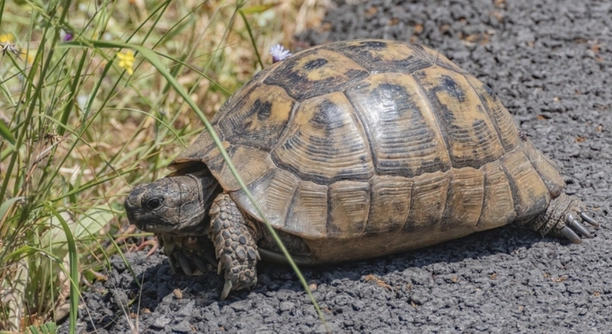
Greek tortoises are fascinating creatures, but their behavior can be influenced by several environmental factors. Understanding these influences can help you better care for your pet and ensure they thrive in their habitat.
Greek tortoise behavior is heavily influenced by factors such as temperature, humidity, light, diet, enclosure size, seasonal changes, and interaction with their environment. These elements play a significant role in determining their activity levels and overall well-being.
Recognizing these environmental factors can help optimize your tortoise’s care routine.
Temperature and Its Impact on Greek Tortoise Behavior
The temperature in your tortoise’s environment is one of the most important factors that affect their behavior. Greek tortoises are ectothermic, meaning they rely on external sources of heat to regulate their body temperature. Too much heat or too little can cause stress, making your tortoise inactive or even sick. During the warmer months, they tend to be more active and explore their surroundings. However, when temperatures drop, their behavior becomes much slower, and they may spend more time in burrows or under hiding spots to conserve energy. It’s crucial to ensure that your tortoise’s enclosure has a temperature range between 75°F and 90°F during the day, with cooler nighttime temperatures. If the enclosure is too hot or too cold, your tortoise may stop eating or exhibit signs of lethargy. Providing a proper heat source, such as a heat lamp, is essential for maintaining their well-being.
Make sure to provide your tortoise with areas that allow them to regulate their temperature. Offer both warm and cool zones in the habitat.
Temperature also affects your tortoise’s digestion. If it’s too cold, they may not be able to properly digest their food, leading to potential health issues. Therefore, adjusting the temperature appropriately can improve their overall behavior and energy levels.
Humidity and Its Role in Behavior
Humidity plays a role in maintaining your tortoise’s health and behavior. Low humidity can lead to dehydration, affecting both physical activity and appetite.
For Greek tortoises, it’s important to maintain a relative humidity of around 40-60%. Too little moisture can cause their skin to become dry and cracked, leading to discomfort. On the other hand, excessive humidity can cause respiratory issues, so it’s essential to find a balance. When humidity is at the right level, your tortoise will feel more comfortable and active. They will also be more likely to engage in natural behaviors, such as foraging and burrowing, which are essential to their well-being.
Maintaining proper humidity can be easily achieved by lightly misting the enclosure and using a humidity gauge to monitor the levels.
By ensuring the right humidity, you help your tortoise thrive in a more natural environment. This will encourage regular behavior patterns and reduce stress.
Light and Its Effect on Greek Tortoise Behavior
Proper lighting is essential for your tortoise’s well-being. Exposure to UVB light helps them metabolize calcium and maintain healthy bones. Without proper UVB lighting, they can develop metabolic bone disease.
Greek tortoises naturally bask in the sun for several hours each day. In captivity, they need UVB light to simulate this behavior. A good UVB bulb should be placed within 12 inches of their basking spot, ensuring they receive sufficient light for proper digestion and activity. Avoid direct sunlight through windows, as it does not provide the necessary UVB rays.
Without proper lighting, your tortoise may become lethargic and show signs of weakness. They need the correct balance of light and dark periods to thrive. Providing a day-night cycle in their enclosure mimics the natural environment and supports their natural rhythms.
Seasonal Changes and Their Influence
Seasonal changes play a significant role in your tortoise’s activity. Greek tortoises are adapted to hot climates with distinct dry and wet seasons, which directly influence their behavior.
During the warmer months, they become more active, exploring their surroundings and foraging. As the seasons change and temperatures drop, they may enter a form of hibernation known as brumation. This state helps them conserve energy when food is scarce, and conditions are harsher. If you notice your tortoise slowing down or hiding more often, it could be a natural response to changes in temperature and light. Make sure to adjust their enclosure accordingly, creating a suitable temperature gradient to encourage activity when needed.
Understanding these seasonal shifts allows you to anticipate your tortoise’s behavior changes, ensuring their needs are met throughout the year.
Enclosure Size and Its Influence
The size of your tortoise’s enclosure is key to their behavior. A cramped space can lead to stress and inactivity, affecting their overall health.
Ensure your tortoise has enough room to move around, forage, and explore. A larger enclosure provides more opportunities for natural behavior, helping them feel secure and reducing stress levels. Without adequate space, they may become lethargic or even start displaying repetitive behaviors.
Diet and Behavior Patterns
Diet plays a direct role in your tortoise’s behavior. A poor diet can lead to sluggishness and lack of appetite, making them less active overall.
Greek tortoises need a varied diet rich in fiber. Offer leafy greens, grasses, and a small amount of fruit. A balanced diet supports healthy digestion, which in turn affects their energy levels and overall behavior. Avoid feeding them foods high in protein, as these can cause digestive issues and health problems.
Interaction with Environment
The way your tortoise interacts with its surroundings can influence its behavior. Objects like rocks, plants, and hiding spots provide mental stimulation and security.
Ensure there are elements that encourage foraging, climbing, and hiding. A well-designed habitat not only promotes natural behaviors but also keeps your tortoise active and engaged. Providing these elements encourages them to explore and feel at ease, reducing stress and anxiety.
FAQ
What temperature should my Greek tortoise’s enclosure be?
The temperature in your tortoise’s habitat should range between 75°F and 90°F during the day. At night, it can drop to around 70°F. It’s essential to create a temperature gradient, allowing your tortoise to choose warmer or cooler spots based on their needs. Use a heat lamp to provide warmth in the basking area and ensure the enclosure has cooler zones for them to retreat to when needed. Always monitor the temperature using a thermometer to avoid overheating or keeping the environment too cold.
How can I tell if my Greek tortoise is too hot or too cold?
If your tortoise is too hot, they may be lethargic or spend excessive time hiding away from the heat. Conversely, if the temperature is too low, your tortoise might appear sluggish, inactive, or refuse to eat. They might also spend too much time in their hiding spots or burrows, seeking warmth. Monitoring their behavior regularly and adjusting the temperature accordingly is essential for maintaining their comfort and health.
Do Greek tortoises need UVB light?
Yes, UVB light is crucial for your Greek tortoise. It helps them synthesize vitamin D3, which is necessary for calcium absorption. Without UVB lighting, they can develop metabolic bone disease, leading to weak bones and other health issues. Use a high-quality UVB bulb and replace it regularly, as its effectiveness decreases over time. Ensure the UVB light is positioned close to your tortoise’s basking spot.
Can I use natural sunlight for my tortoise?
While natural sunlight is ideal for Greek tortoises, it’s not always a practical option, especially if you’re keeping them indoors. Direct sunlight through windows does not provide the necessary UVB rays, as glass blocks most of them. If possible, take your tortoise outdoors for supervised sunbathing. However, always provide shade to prevent overheating. For indoor enclosures, a proper UVB light source is essential to ensure your tortoise gets the right amount of exposure.
How often should I feed my Greek tortoise?
Greek tortoises should be fed daily, but the types of food offered can vary depending on age and size. Young tortoises need to be fed more frequently with a diet rich in leafy greens, grasses, and a small amount of fruit. Adults may require less frequent meals, focusing mainly on high-fiber plants. Avoid high-protein foods, as they can cause health issues over time. Ensure fresh water is available at all times for hydration.
Can Greek tortoises be kept with other pets?
While Greek tortoises can tolerate the presence of other animals, it’s best to keep them separate from pets that could harm them, such as dogs, cats, or large reptiles. Tortoises should have their own quiet, safe space where they can retreat and feel secure. If you want to keep more than one tortoise, ensure their enclosure is large enough to accommodate them without overcrowding, as they can be territorial.
How can I prevent my Greek tortoise from escaping?
A secure enclosure is key to preventing escapes. Ensure the walls of the enclosure are high enough and burrow-proof. Greek tortoises are excellent diggers, so make sure the substrate is deep enough to discourage digging. You can also add barriers along the bottom of the enclosure to prevent escape attempts. Regularly check the enclosure for any gaps or weaknesses.
Why isn’t my Greek tortoise eating?
If your tortoise stops eating, there could be several reasons. Environmental factors, such as incorrect temperature or humidity, may be affecting their appetite. Stress from a change in habitat, new surroundings, or a lack of hiding spots can also cause your tortoise to lose interest in food. Additionally, if they are entering brumation or have a health issue, they may eat less or refuse food altogether. Ensure the enclosure conditions are optimal and consult a vet if the issue persists.
What do I do if my Greek tortoise isn’t active?
Inactivity can be caused by various factors, including improper temperature, humidity, or insufficient lighting. Make sure their environment is suitable and offers enough space to roam and explore. If the conditions are ideal and your tortoise is still not active, it might be preparing for brumation or could be stressed. Check for signs of illness and, if needed, seek advice from a veterinarian.
Is it necessary to provide a hiding spot for my Greek tortoise?
Yes, providing a hiding spot is essential for your tortoise’s well-being. Greek tortoises need a place where they can feel safe and secure, especially if they are feeling stressed or overwhelmed. Hide boxes or shelters made from natural materials can help mimic their natural environment, allowing them to retreat when they need some peace and quiet.
How can I ensure my Greek tortoise stays hydrated?
Keep a shallow water dish in your tortoise’s enclosure at all times. Make sure it’s shallow enough for them to drink from easily without the risk of drowning. You can also occasionally mist the enclosure to maintain proper humidity levels, especially in dry climates. Soaking your tortoise in lukewarm water for a short period can also help with hydration, especially during warmer months.
Do Greek tortoises need supplements?
If your tortoise is on a balanced diet, supplements may not be necessary. However, offering calcium supplements can be helpful, especially for young tortoises, as they need additional calcium to support healthy bone growth. Use a calcium powder without phosphorus and dust it lightly on their food. Consult your vet before adding supplements to ensure they’re needed.
Can Greek tortoises live outside?
Greek tortoises can live outdoors in areas with mild climates, but the enclosure must be escape-proof and safe from predators. It’s important to monitor the temperature and humidity to make sure they are within a suitable range. If the weather is too cold or too hot, you should bring them inside to ensure their safety and comfort.
Final Thoughts
Greek tortoises are resilient creatures that thrive when given the proper care and environment. A well-maintained enclosure, balanced diet, and regular observation of their health and behavior are all crucial to their well-being. The environmental factors, such as temperature, lighting, and space, directly affect their daily activities and overall health. Ensuring that these factors are closely monitored and adjusted as needed will go a long way in keeping your tortoise healthy and active.
Understanding the needs of your Greek tortoise is key to ensuring they lead a fulfilling life. While they are relatively low-maintenance pets, their well-being is highly dependent on the conditions you provide. Consistent attention to detail, like maintaining proper humidity, offering a varied diet, and creating an environment that mimics their natural habitat, will help reduce stress and encourage natural behaviors. It’s important to remember that every tortoise is different, and some may have unique needs based on their age, size, and individual temperament.
Caring for a Greek tortoise is a rewarding experience, but it requires responsibility. By providing a comfortable space for them to thrive, monitoring their health, and making adjustments when needed, you create a stable environment for your tortoise. Regular check-ups with a veterinarian and being proactive about their care ensures they can live long, healthy lives. Your attention to their needs plays a significant role in their happiness and quality of life, and with the right care, your Greek tortoise will continue to bring joy to your home for many years.

Hello,
If you enjoy the content that we create, please consider saying a "Thank You!" by leaving a tip.
Every little bit helps us continue crafting quality advice that supports the health, happiness, and well-being of pets around the world, for pets of all shapes, sizes, and species.
We really appreciate the kindness and support that you show us!