
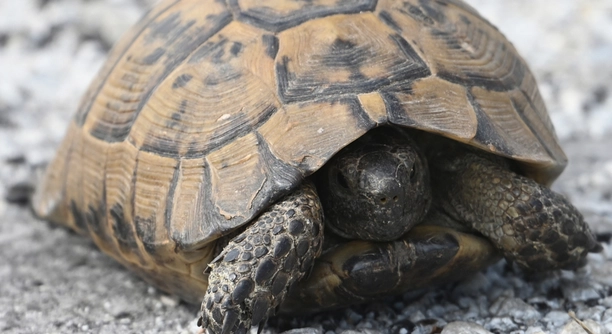
Greek tortoises are known for their quirky behaviors, and one common action that may puzzle owners is their constant digging. While you may assume this only happens during colder weather, there are other reasons for this behavior.
Tortoises dig for various reasons, including seeking food, creating a safe space, or relieving stress. Even without cold weather, digging can be an instinctive action tied to environmental or emotional factors that should be addressed.
Understanding why your tortoise digs can help improve its well-being. There are several factors contributing to this behavior, and knowing how to manage them is important for keeping your tortoise healthy and happy.
Digging as a Natural Instinct
Tortoises, including the Greek variety, are naturally inclined to dig. This behavior comes from their instinct to create shelter, find food, or lay eggs. Even if it’s not cold, these instincts drive them to dig and burrow in their environment. When in the wild, they may dig to escape predators, create a hiding spot, or regulate their temperature. Even in a home setting, their digging behavior is often tied to these primal needs.
Understanding this natural behavior is key to providing the right environment for your tortoise. If your pet is digging often, it’s usually a sign that something in its surroundings is not quite right. Whether it’s the temperature, space, or enrichment in the habitat, addressing these factors can help reduce excessive digging.
You’ll notice that your tortoise digs more frequently during certain times, such as after eating or when it’s exploring new areas. This can indicate curiosity or a need for a secure environment. Keeping their space clean, quiet, and properly designed can minimize unnecessary digging behavior.
Stress or Boredom
When your tortoise feels stressed or bored, digging can be a way to cope with these emotions. A lack of stimulation or a change in routine can cause your tortoise to dig more frequently.
If your tortoise is in a small enclosure or hasn’t been given enough things to interact with, digging becomes a way to pass the time. Tortoises are curious creatures and need to explore, so if they’re kept in a plain, unstimulating environment, digging can serve as their outlet. To reduce this, make sure your tortoise has space to roam and objects to engage with. Providing enrichment in the form of rocks, plants, and safe items to climb can help alleviate this behavior. Additionally, adjusting their environment to make them feel secure can ease their stress levels and reduce digging.
Temperature and Humidity Issues
If the temperature or humidity levels are off in your tortoise’s habitat, it may start digging. Greek tortoises need a warm, dry environment to feel comfortable. If they feel too hot or too cold, digging becomes a way to adjust.
If the heat lamps are too close or the enclosure is too cold, your tortoise may dig to find a better spot. Too much moisture or inconsistent temperatures can also cause stress. It’s important to monitor the temperature and humidity closely. The ideal temperature range for a Greek tortoise is between 75-85°F during the day, with a slight nighttime drop. Use a thermometer and hygrometer to maintain the right levels.
A comfortable environment encourages your tortoise to stay healthy and avoid unnecessary digging. Having a cooler hiding place or warm basking spot can help your tortoise feel secure. Also, ensuring a consistent humidity level will make it easier for your tortoise to relax, reducing the urge to dig for better conditions.
Seeking Mates or Breeding
Greek tortoises may dig if they are in search of a mate. Breeding season triggers digging behaviors, as they try to find a suitable spot for nesting. This is especially true in females, who instinctively dig to lay eggs.
During mating season, tortoises may dig more often. Even if you don’t have a male tortoise, females may still exhibit this behavior due to hormonal changes. If your tortoise is acting restless and digging a lot, it could be trying to prepare for egg laying. Even in captivity, they sometimes display these natural behaviors. If your female tortoise is digging a lot, it’s important to check for signs of egg-laying.
To manage this, provide your tortoise with a soft, loose substrate where it can dig comfortably. If your tortoise is not laying eggs, these behaviors should eventually decrease. However, if your pet is persistently digging and seems uncomfortable, a vet check might be helpful to ensure there’s no underlying health issue.
Habitat Size and Space
If the enclosure is too small, your tortoise may dig more. They need space to roam and explore, and a cramped environment can make them feel anxious. Digging is a way to escape or search for more space.
Providing an appropriately sized habitat is crucial for your tortoise’s health and well-being. Greek tortoises need a spacious area to move around in, so they don’t feel confined. If their space is too limited, digging becomes an outlet for their frustration. Ensure the enclosure allows enough room for daily activity, and add hiding spots to help your tortoise feel secure.
Lack of Proper Substrate
The type of substrate in your tortoise’s enclosure plays a significant role in their digging behavior. If the substrate is too hard or uncomfortable, your tortoise may dig to find a more suitable spot.
Using a soft, loose substrate like coconut coir, soil, or sand helps your tortoise feel more at ease. A proper substrate allows them to dig freely without injury. Avoid using rough or sharp materials, as they can harm your tortoise. Changing the substrate regularly to keep it clean is also essential for reducing unnecessary digging and ensuring your tortoise stays healthy.
Medical Concerns
Sometimes, excessive digging can be linked to medical issues. If your tortoise’s behavior changes suddenly, it might indicate health problems such as parasites, nutritional deficiencies, or injury.
A sudden increase in digging, coupled with other unusual behaviors like lethargy or loss of appetite, could signal something is wrong. It’s best to consult with a vet if you notice these signs. A health check can rule out infections or other health conditions. Identifying any underlying medical issues early can prevent more serious problems down the line.
FAQ
Why does my Greek tortoise dig so much?
Digging is a natural behavior for Greek tortoises. It can be due to a variety of reasons, such as seeking food, nesting, escaping stress, or adjusting to temperature changes. Even if it’s not cold, your tortoise may dig to feel secure, create a hiding spot, or explore. It’s also common during mating season or if the tortoise is stressed or bored. Pay attention to its environment to see if any adjustments are needed. Providing a spacious, clean, and comfortable habitat can help reduce excessive digging.
Can Greek tortoises dig themselves out of their enclosure?
Yes, Greek tortoises are strong diggers and can potentially dig out of a poorly constructed enclosure. If the walls of the enclosure are not deep enough, your tortoise might try to escape. To prevent this, make sure the sides of the habitat are tall enough, and the substrate is packed well. If you’re using a fence, ensure it’s at least 12 inches deep into the ground to stop any digging attempts. A secure, properly designed enclosure will help keep your tortoise safe.
How deep should the substrate be for a Greek tortoise?
The substrate in your tortoise’s enclosure should be deep enough to allow natural digging behavior but not too deep that it becomes hard for them to move. Typically, the substrate should be 4-6 inches deep. This will allow your tortoise to dig comfortably without getting stuck. Use soft materials like coconut coir, soil, or sand that are safe for your pet and promote healthy digging. Ensure the substrate is kept clean and dry to avoid health issues.
Is digging a sign that my Greek tortoise is stressed?
Yes, excessive digging can be a sign of stress. Stress in tortoises can result from environmental factors like temperature or humidity being out of balance, lack of space, or boredom. If your tortoise is digging more than usual, it’s important to check if it has enough room to move, is getting enough stimulation, and if its environment is comfortable. Reducing stress can help minimize digging. If the behavior continues, consider consulting a vet to rule out any medical concerns.
Should I stop my tortoise from digging?
Digging is a natural behavior, and it is generally best not to stop your tortoise from digging. However, if it’s digging excessively or in an unproductive way, such as trying to escape its enclosure, you may need to adjust its environment. Ensure the habitat is spacious, the substrate is appropriate, and that there’s enough enrichment. If your tortoise is digging because of stress or boredom, addressing those issues can help reduce unwanted digging behavior.
How can I reduce my tortoise’s digging behavior?
To reduce excessive digging, make sure your tortoise has a well-balanced environment. Start by providing a larger enclosure with plenty of space to roam and explore. Use a suitable substrate that promotes natural digging without causing harm. Offer enrichment such as rocks, plants, or hiding spots to keep your tortoise entertained and mentally stimulated. Also, make sure the temperature and humidity are optimal for your tortoise’s needs. If the digging persists, try a deeper hide or cooler areas to give them alternative options to dig.
Can Greek tortoises dig to find food?
Yes, Greek tortoises may dig to search for food, especially if it’s not readily available or if their diet lacks variety. They are natural foragers and may dig in their habitat in hopes of finding plants, insects, or other foods. If you notice your tortoise digging frequently, check if it is getting a balanced and varied diet. Offering fresh greens and occasional treats can help curb this behavior. Additionally, ensuring a well-maintained feeding routine will discourage excessive digging.
Is it normal for my Greek tortoise to dig at night?
It’s normal for Greek tortoises to dig at night, especially if they are more active during the evening hours. While Greek tortoises are generally diurnal (active during the day), they may still display some nighttime digging behavior. This can be due to seeking a comfortable resting spot or trying to adjust to cooler nighttime temperatures. However, if this behavior is excessive or seems unusual, check the temperature and humidity levels to ensure they are appropriate.
Should I provide a hiding spot for my Greek tortoise?
Yes, providing a hiding spot is crucial for your tortoise’s sense of security. Tortoises dig to find shelter, especially if they feel threatened or stressed. A hiding spot helps them feel safe, reducing the need to dig for cover. You can use a simple box, a cave, or a pile of leaves or rocks as a hiding spot in their enclosure. Make sure it’s accessible and large enough for your tortoise to fit comfortably. This will give them a place to retreat to when they need rest or security.
How can I tell if my tortoise is digging due to illness?
If your tortoise’s digging behavior changes suddenly or becomes more frequent, it could be a sign of illness. Other symptoms to watch for include lethargy, loss of appetite, or unusual behavior. In some cases, parasites or internal issues can cause discomfort, leading your tortoise to dig excessively. A visit to the vet is recommended if you notice any changes in behavior or physical condition. A vet can perform tests to rule out illnesses and offer guidance on proper care.
Final Thoughts
Understanding why your Greek tortoise digs, even when it’s not cold, is important for providing the right care. Digging is a natural behavior for tortoises, and it can happen for several reasons. It might be due to instincts, stress, boredom, or even seeking a safe place to nest. While digging itself isn’t usually a problem, excessive digging may indicate that something in the environment needs adjusting. Taking time to observe your tortoise and its behavior can help you identify any underlying issues and make the necessary changes to improve its living conditions.
One of the most important things you can do for your tortoise is ensure it has a comfortable and spacious habitat. Proper temperature and humidity levels are crucial for their well-being, and these factors can impact how much your tortoise digs. Make sure the enclosure is large enough for your tortoise to move freely and provides areas for hiding and exploration. A well-designed habitat with the right substrate and space to roam will help your tortoise feel secure and minimize unnecessary digging. Regular maintenance of the enclosure and monitoring your tortoise’s health can go a long way in keeping them content.
In some cases, if digging continues despite improvements in their environment, it may be a sign that your tortoise is experiencing other issues, such as health problems or a desire for mating. If you’ve ruled out environmental factors and the digging persists, consider a visit to a veterinarian. This can help ensure that your tortoise is not suffering from medical conditions that require treatment. Ultimately, understanding your Greek tortoise’s natural behaviors and addressing the underlying causes of digging will help you keep your pet happy and healthy.

Hello,
If you enjoy the content that we create, please consider saying a "Thank You!" by leaving a tip.
Every little bit helps us continue crafting quality advice that supports the health, happiness, and well-being of pets around the world, for pets of all shapes, sizes, and species.
We really appreciate the kindness and support that you show us!