
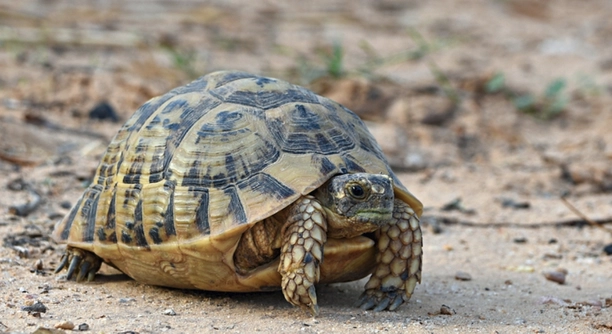
Sometimes, when you see your Greek tortoise rubbing its shell against rocks, it can be confusing. Understanding why they do this can help ensure your pet is healthy and comfortable. There are several reasons behind this behavior.
The rubbing behavior may be due to shell maintenance, natural instincts, or even a response to stress. It could also indicate health issues like parasites or improper habitat conditions. It is important to observe the situation closely to determine the cause.
This article will explore the main causes behind this behavior and offer helpful tips to manage it. Understanding the reasons behind this can help improve your tortoise’s well-being.
Shell Maintenance and Cleaning
Greek tortoises naturally rub their shells against objects, such as rocks, to help keep their shells clean. This behavior is part of their routine to remove dirt, debris, and even old skin. In the wild, they often do this to maintain a healthy, smooth shell. Your pet may rub its shell for similar reasons, ensuring its protection and comfort.
Shell maintenance is an important part of a tortoise’s health. If they feel any roughness or discomfort, they may try to rub it off. Rubbing helps keep the shell from becoming damaged or too clogged with debris, which can affect their overall well-being.
By observing your tortoise, you can see if the behavior is due to dirt or skin buildup. If your tortoise spends more time rubbing, it might be because it’s trying to clean itself, especially after eating or being outside. Keeping your pet’s enclosure clean can help minimize this need for extra cleaning efforts.
Stress or Discomfort
Stress is another reason Greek tortoises may rub their shells. If something in their environment is causing them distress, they might act out by rubbing their shells. This could be anything from a change in their habitat to improper temperatures or lighting.
When your tortoise feels stressed, it might try to find comfort by rubbing its shell on objects like rocks. In addition, if the enclosure is too small or lacks proper hiding spots, your tortoise may seek relief this way. Sometimes, a lack of stimulation or interaction can lead to this behavior as well.
It’s crucial to ensure your tortoise’s environment is stable. They need space to roam, appropriate temperatures, and a variety of textures in their habitat. Adding hiding spots, objects to climb on, and regular interaction can help reduce stress. Make sure the tank is large enough and provides the right conditions for a comfortable life.
Parasites and Health Issues
Parasites can be a common cause of shell rubbing. If your tortoise has external parasites like mites or ticks, it might rub its shell to try to relieve the discomfort. These pests can cause itching, irritation, or even pain, leading your pet to engage in this behavior.
If you notice your tortoise rubbing excessively and suspect parasites, it’s essential to check its shell and skin for signs of mites or other pests. A veterinarian can perform a thorough check to determine if your pet is affected. Without treatment, parasites can worsen and lead to further health issues. Regular checks can help prevent this from becoming a major problem.
Parasites not only irritate your tortoise but can also affect its immune system. Keeping your pet’s habitat clean and ensuring it is not exposed to external sources of parasites, like other animals, is key. Routine vet visits are important to monitor your tortoise’s health and treat any issues early.
Improper Habitat Conditions
Greek tortoises are sensitive to their living environment. If the habitat isn’t set up correctly, your tortoise may start rubbing its shell as a response to discomfort. This could be due to temperature fluctuations, improper humidity levels, or inadequate lighting.
Make sure the enclosure mimics their natural habitat, providing enough heat, light, and humidity for them to thrive. Without proper conditions, your tortoise may feel stressed or uncomfortable, leading to shell rubbing. It’s crucial to use a proper heat lamp to regulate temperature and ensure they have access to both warm and cool areas.
When their living space is too cold or too hot, Greek tortoises may also experience digestive issues or lethargy. Their bodies rely on these conditions to maintain a healthy metabolism. Providing an environment that closely resembles their natural one will reduce their need for excessive shell rubbing and improve overall health.
Shell Growth
As Greek tortoises grow, their shells also go through changes. The rubbing behavior can sometimes be linked to the natural process of shell growth. This can include shedding of the scutes, or the outer layers of the shell, which may cause itching or discomfort.
If your tortoise is in the process of growing, it may rub against rocks or other objects to help with the shedding of these scutes. This is a normal part of their development, and the rubbing behavior helps them remove old skin layers. Ensure your tortoise has access to rough surfaces to aid this process.
If shell growth doesn’t seem to be the cause, and rubbing continues or worsens, consider other factors, such as stress or health issues. Proper care, including a balanced diet and environmental adjustments, can help support healthy shell development and prevent unnecessary discomfort.
Behavioral Habits
Some tortoises simply develop the habit of rubbing their shells. This may not be related to stress or discomfort, but just a quirky behavior. It can stem from exploring their surroundings or trying to mark their territory.
Tortoises are naturally curious and will explore their environment. Shell rubbing can be part of this exploration, where they test objects and interact with their habitat. It’s a good idea to observe if the behavior decreases or becomes less frequent with time. Regular changes to the environment or new objects might also reduce the tendency to rub.
A Sign of Mating Behavior
Rubbing can sometimes be linked to mating behavior. Male Greek tortoises may rub their shells on objects as part of their display toward females. This can be a way for them to assert dominance or show their presence.
While shell rubbing isn’t always associated with mating behavior, observing your tortoise closely can help identify if this is the cause. If a male is rubbing its shell more frequently, it may be trying to get attention from a female, especially during the breeding season. Keep an eye out for any other signs of courtship, such as vocalizations or chasing.
FAQ
Why does my Greek tortoise rub its shell on the rocks?
Greek tortoises rub their shells on rocks for various reasons, including cleaning, shedding, stress relief, and even mating behavior. They might be attempting to remove dirt, dead skin, or parasites. Rubbing can also indicate discomfort from improper habitat conditions or growth stages. Sometimes, it’s just a natural part of their exploration behavior.
Can rubbing indicate a health problem in my tortoise?
Yes, rubbing can sometimes signal a health issue. If the behavior is excessive or accompanied by signs like swelling, skin lesions, or loss of appetite, it may indicate problems like parasites, infections, or a skin condition. It’s best to monitor your tortoise closely and consult a vet if you’re concerned about its health.
How can I tell if my tortoise is rubbing due to parasites?
If your tortoise is rubbing more than usual and seems irritated, look closely at its shell and skin for visible signs of parasites like mites or ticks. Check for red, inflamed patches or scabs, which could indicate a parasite problem. A vet can confirm the presence of parasites and recommend treatment.
Is it normal for my tortoise to rub its shell while shedding?
Yes, this is normal. As Greek tortoises grow, they shed the outer layers of their shell, known as scutes. During this process, they may rub their shell on rocks or other rough surfaces to help remove old scutes and ease any discomfort. Make sure your tortoise has access to rough surfaces, which are important for shell health.
How do I know if my tortoise’s habitat is causing it to rub its shell?
If your tortoise is rubbing its shell frequently, check the conditions of its habitat. Are the temperature and humidity levels right? Is there enough space and proper lighting? An inadequate environment can lead to stress, which might cause rubbing. Ensure the enclosure is large enough, with appropriate heat gradients and access to UVB lighting.
Can stress make my tortoise rub its shell?
Yes, stress is a common cause of shell rubbing. Stress can arise from changes in environment, too little space, or lack of interaction. If you’ve recently moved your tortoise to a new enclosure, changed its diet, or introduced other pets, these factors could be contributing to the behavior. Reducing stress by providing a stable, enriching environment can help prevent rubbing.
Should I be concerned if my tortoise rubs its shell while exploring?
Not necessarily. Tortoises are naturally curious creatures, and they may rub their shells while exploring their surroundings. This behavior is often a way of interacting with objects and checking out their environment. As long as the rubbing isn’t excessive or linked to other concerning behaviors, it’s usually just part of normal exploration.
How can I prevent my tortoise from rubbing its shell too much?
If your tortoise is rubbing its shell excessively, start by addressing the potential causes. Make sure its habitat is properly set up with correct temperature, humidity, and plenty of space. Adding textured surfaces or objects like rocks and logs can also help if the rubbing is related to shell cleaning or shedding. Reducing stressors and ensuring regular vet check-ups can prevent health issues that lead to rubbing.
Can my tortoise be rubbing its shell because of an infection?
Yes, infections could cause your tortoise to rub its shell. A fungal or bacterial infection can lead to irritation, prompting your pet to rub to relieve discomfort. Signs of an infection include unusual swelling, discharge, or changes in behavior. If you suspect an infection, it’s essential to take your tortoise to a vet for treatment.
Why is my male tortoise rubbing its shell more than usual?
Male tortoises may rub their shells as part of mating behavior. This is often done to get the attention of a female during the breeding season. They may rub against rocks or other objects to display dominance or show their presence. If your tortoise is frequently rubbing during this time, it may be linked to mating behavior.
What should I do if I see my tortoise rubbing its shell against objects repeatedly?
If the behavior is frequent and persistent, first check if your tortoise’s habitat is ideal. Ensure the temperature, humidity, and lighting are appropriate. Also, confirm that it has enough space and items to explore. If the rubbing continues, consider checking for signs of parasites, infections, or stress, and consult a vet if necessary.
Can shell rubbing be a sign of boredom?
Yes, boredom can contribute to shell rubbing. Tortoises need mental stimulation and physical space to explore. If their environment lacks variety, or if they aren’t getting enough interaction, they may resort to rubbing their shell as a way of passing time. Providing new objects or changing their environment regularly can help reduce boredom-driven behaviors.
How do I treat shell rubbing caused by improper habitat conditions?
To treat shell rubbing due to improper habitat conditions, you need to adjust the environment. Ensure the enclosure is large enough, with appropriate heating, lighting, and humidity levels. Adding variety, such as rocks, logs, and hiding spots, can also provide enrichment. Once the habitat is corrected, the rubbing should decrease.
Should I be worried if my tortoise is rubbing its shell and not eating?
If your tortoise is rubbing its shell and also not eating, it could be a sign of stress, discomfort, or a health issue. A loss of appetite combined with shell rubbing should prompt a visit to the vet. It’s important to identify if there’s an underlying health issue that needs to be addressed promptly.
Understanding why your Greek tortoise rubs its shell is key to ensuring its health and happiness. While this behavior can often be linked to natural processes like shell cleaning, growth, and shedding, it can also point to issues such as stress, improper habitat conditions, or even health problems like parasites or infections. Observing your tortoise closely and identifying any other accompanying behaviors, like changes in appetite or unusual lethargy, can help determine if the rubbing is a normal part of their routine or if it’s a sign of something more serious.
In many cases, providing a stable, comfortable environment with proper temperatures, humidity, and enough space can reduce shell rubbing. A tortoise that has access to rough surfaces for shell maintenance, along with proper lighting and heat, will be better equipped to shed its scutes naturally. Stress can be minimized by avoiding sudden changes in its habitat and providing a variety of objects for enrichment. Regular cleaning of the enclosure and vet check-ups are also important steps in maintaining a healthy and comfortable environment for your pet.
If the rubbing continues despite these adjustments, it may be time to consult a veterinarian. A vet can help diagnose potential health issues, such as parasites or infections, that might be causing the behavior. With the right care and attention, your tortoise can enjoy a happy, healthy life free of discomfort from excessive shell rubbing. Always keep an eye on any changes in behavior, and address potential problems early to ensure your pet remains well-cared-for.

Hello,
If you enjoy the content that we create, please consider saying a "Thank You!" by leaving a tip.
Every little bit helps us continue crafting quality advice that supports the health, happiness, and well-being of pets around the world, for pets of all shapes, sizes, and species.
We really appreciate the kindness and support that you show us!