
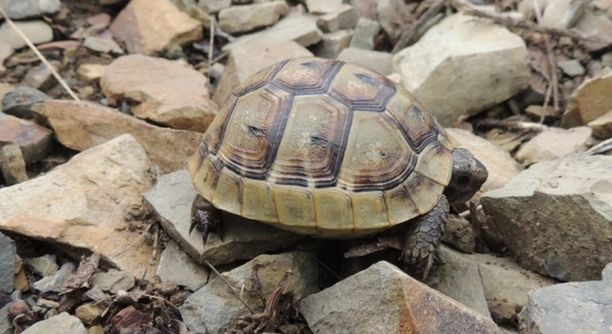
If your Greek tortoise has escaped, it’s crucial to act quickly and methodically. Ensuring their safety requires a clear plan of action and a calm approach to avoid further stress for both you and your tortoise.
To retrieve your escaped Greek tortoise, the first step is to thoroughly search your home and yard. Check any hiding spots and potential exit points. If necessary, enlist the help of neighbors or use a humane trap to guide them back.
Knowing where to start is important, but patience and persistence are key in these situations. The next steps will help you manage the search effectively and prevent future escapes.
Step 1: Thoroughly Search Your Home and Yard
Start by checking your home and yard carefully. Greek tortoises are small and often seek shelter in quiet, hidden areas. Look under furniture, behind large objects, or inside any dark spots where they might feel safe. In your yard, inspect bushes, tall grass, and garden beds. They could be nestled there, away from view. If you have a garden, search around any plants or rocks. Keep in mind that tortoises can be quite good at finding small gaps and crevices. Look for any signs of movement or disruption in the soil, which could indicate your tortoise is nearby. Don’t rush—take your time to cover every possible hiding spot.
Patience and attention to detail are essential for this step. If your tortoise is not easily spotted, take a break and return later with fresh eyes.
If you can’t find your tortoise immediately, use a flashlight at night. Tortoises are more likely to wander when it’s dark, and you may spot them by their reflective eyes. Also, try calling out gently—sometimes they respond to familiar sounds.
Step 2: Check for Any Potential Exit Points
Once you’ve covered the immediate area, turn your attention to any potential escape routes. This might include broken fences, gaps under gates, or small holes in your yard. Greek tortoises are known to be skilled at sneaking through narrow spaces. If you find any openings, block them off to prevent further escapes in the future. Check around your home for cracks or small holes that your tortoise could have squeezed through. Even small spaces around windows, doors, or air vents should be inspected. If your yard is unfenced, a sturdy perimeter is key to avoiding another escape.
Securing your property and preventing future escapes can help protect your tortoise from harm. Make sure all outdoor areas are completely secure before letting your tortoise roam freely again. You might need to adjust fencing or use barriers to ensure they stay safely within your yard. This is an essential step for their long-term well-being.
Step 3: Use a Humane Trap
Setting up a humane trap is a great way to find your tortoise if you haven’t already spotted them. Place some fresh greens like lettuce or dandelion leaves inside the trap to lure them in. Make sure it’s placed in a quiet, shaded area where your tortoise feels comfortable.
The trap should be large enough to allow your tortoise to enter without feeling too confined. Check the trap frequently to avoid leaving your tortoise trapped for long periods. Once inside, your tortoise will feel safe and secure, allowing you to safely bring them back inside.
Make sure to monitor the trap closely, especially at night when your tortoise is more likely to be active. If needed, move the trap to different areas where your tortoise might have wandered. The key is to be patient—your tortoise may take a little time to find the trap.
Step 4: Enlist the Help of Neighbors
If your tortoise has ventured outside your property, asking neighbors for help is essential. Inform them about the situation and ask them to keep an eye out. Sometimes, neighbors may spot your tortoise in their yard without you realizing it.
A simple flyer or notice posted in your neighborhood can be effective, especially if you include a photo of your tortoise. It’s helpful to describe any unique characteristics, such as shell patterns, size, or markings. This will make it easier for others to identify your tortoise. Ask them to contact you immediately if they see anything.
This step is especially important if you live in an area with heavy foot traffic or other animals that could potentially harm your tortoise. The quicker others know about the escape, the faster they can assist in locating your pet.
Step 5: Monitor Common Hiding Spots
Your tortoise may have found a hidden place to settle. Common hiding spots include under bushes, inside hollow logs, or in tall grass. Check these areas carefully and keep an eye on them for signs of movement. It’s crucial to search these spots regularly.
If you suspect they’ve found a hiding spot, spend some time quietly observing the area. Tortoises can be slow to respond, so look for any signs of disturbance like shifted leaves or soil. A calm approach can help prevent startling them.
Step 6: Consider the Weather
The weather plays a role in how and where your tortoise may be hiding. On warmer days, tortoises may seek out cooler, shaded spots. If it’s raining or the temperature drops, they might be in areas with more shelter, such as under a shed or porch.
Keep in mind that tortoises prefer to stay hidden in more extreme weather conditions, and their behavior may change. Checking during mild weather could increase your chances of finding them out and about. Be sure to continue searching even as conditions shift throughout the day.
Step 7: Stay Calm and Be Patient
Staying calm and patient is crucial. Your tortoise may be scared or stressed, which can make them more difficult to find. Rushing the search could lead to missed clues. It’s important to be thorough and persistent.
FAQ
What should I do if I can’t find my tortoise after searching for hours?
If you’ve searched for hours and still haven’t found your tortoise, take a break and try again later. Sometimes, your tortoise may be in a deeper hiding spot, and you might need fresh eyes. Continue to check areas like under furniture, inside sheds, or along fences. If you’ve already used a humane trap, make sure it’s in the right place and adjust as necessary. Consider using a flashlight at night since tortoises may wander when it’s dark. Patience is key.
How long can a Greek tortoise survive outside?
Greek tortoises are hardy, but they are still vulnerable when outside, especially if the weather turns cold or wet. If the temperature is mild, they may be able to survive for a while, but they will become stressed and dehydrated. Tortoises are slow-moving, so the risk of predation or injury increases the longer they’re out. Finding them quickly is essential for their safety and well-being.
How can I prevent my tortoise from escaping in the future?
To prevent future escapes, check your yard for any gaps or cracks in your fencing and make sure there are no holes under gates or fences. If your tortoise is free-roaming, a secure, enclosed outdoor area is important. You can use a raised barrier or a secure mesh to prevent them from getting through. When indoors, make sure doors and windows are kept closed or have barriers in place. Regularly inspect the areas your tortoise has access to.
Is it safe to use food to lure my tortoise back?
Yes, food can be a helpful tool in bringing your tortoise back. Tortoises are naturally drawn to fresh greens like lettuce, dandelions, or herbs. Place these foods in areas where you suspect your tortoise might be. If you’re using a trap, make sure to offer food inside. The smell will attract them, but always check the trap regularly to avoid them being stuck for too long.
What if my tortoise is hiding underground?
If your tortoise has burrowed or is hiding underground, they may be more challenging to find. Look for signs like disturbed soil or holes that could indicate they’ve dug into the ground. If you believe your tortoise is underground, gently dig around the area. Be careful not to harm them or damage their shell. Tortoises may burrow deeper to protect themselves from predators or extreme weather, so continue to check the area regularly.
How can I tell if my tortoise is stressed?
Stressed tortoises may display signs such as hiding more than usual, refusing food, or becoming more reclusive. If you’re handling them, they may withdraw into their shell more frequently. Stress can also lead to changes in their activity level, such as not moving around as much. If you notice these signs, it’s important to address any issues in their environment, such as temperature, humidity, or their living space. Providing a quiet, safe area can help ease their stress.
How often should I check for my tortoise after an escape?
It’s important to check frequently, especially in the first 24 to 48 hours. Your tortoise may be more active at night, so consider checking again during the evening. Even after this initial search, continue checking daily for several days. If you’ve set up a trap or left out food, monitor those regularly. The more often you check, the better chance you have of spotting your tortoise quickly.
What should I do if I find my tortoise in a dangerous area?
If your tortoise has wandered into a dangerous area, such as near a busy road or in a predator’s territory, act quickly but calmly. Gently approach them and scoop them up carefully. If they’re in a high-risk area, use a towel or blanket to keep them secure while moving them. Make sure to bring them back to a safe, secure environment as soon as possible to avoid further harm. Always ensure their new enclosure is safe and escape-proof.
Can I use a pet tracker to find my tortoise?
While pet trackers are more commonly used for dogs or cats, some tortoise owners have successfully used small, lightweight GPS trackers on their pets. These devices can be attached to the tortoise’s shell and can help you track their movements. However, this option can be costly and may not be ideal for all tortoises, as some trackers may be uncomfortable or too large for them. Before using a tracker, consult with a vet to ensure it’s safe and comfortable for your tortoise.
Final Thoughts
Dealing with a lost Greek tortoise can be a stressful experience, but staying calm and methodical is the key to a successful outcome. Start by thoroughly searching your home and yard, looking in all possible hiding spots. Tortoises are naturally shy and tend to stay still for long periods, so it’s easy to miss them if you don’t check carefully. Use a flashlight in darker areas or late at night, when they may be more active. If you can’t find them right away, don’t panic—take a break and try again later with fresh eyes. Sometimes, the smallest sign can lead you to them.
In addition to checking your immediate surroundings, make sure to secure your home and yard to prevent future escapes. Inspect fences, gates, and any areas where your tortoise might have squeezed through. Greek tortoises are excellent at finding small gaps, so patching up any openings is important for their safety. If you haven’t already, setting up a humane trap can also be a helpful way to lure your tortoise back home. This method is low-stress for them and can increase the chances of a safe return. Regularly check the trap, especially during night hours when they’re most likely to move around.
Above all, remember that patience is crucial. While it may take time, there are many ways to safely find and bring your tortoise home. Reaching out to neighbors, using food to attract them, and taking the time to carefully search can all make a big difference. By staying calm, being thorough, and making adjustments as needed, you can successfully reunite with your tortoise. After the situation is resolved, take steps to improve the safety of their living space to prevent future escapes and ensure their well-being in the long run.

Hello,
If you enjoy the content that we create, please consider saying a "Thank You!" by leaving a tip.
Every little bit helps us continue crafting quality advice that supports the health, happiness, and well-being of pets around the world, for pets of all shapes, sizes, and species.
We really appreciate the kindness and support that you show us!