
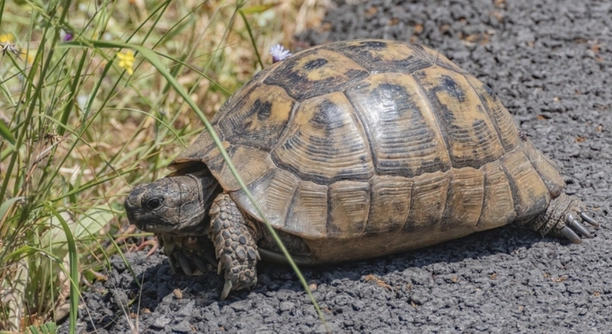
Greek tortoises are fascinating creatures, and understanding their environment is key to keeping them healthy. A major factor in their care is temperature, which can affect their well-being in surprising ways.
Incorrect temperatures can harm Greek tortoises in various ways, leading to stress, illness, or even death. The ideal temperature range for these tortoises must be maintained carefully to support their natural behaviors and biological processes.
A few simple temperature-related mistakes can lead to serious health concerns for your Greek tortoise. In this article, we’ll explain some of the most common errors and how you can avoid them for a healthier, happier pet.
1. Setting Up the Right Temperature Range
For Greek tortoises, temperature is critical. They are cold-blooded animals, meaning their body temperature relies on their environment. In the wild, they experience a range of temperatures throughout the day. To replicate this, you’ll need to create a controlled temperature gradient in their enclosure. The warm side should be around 85-90°F, while the cooler side should remain between 70-75°F. This range allows your tortoise to regulate its body temperature by moving between the warm and cool areas.
It’s important not to keep your tortoise in a place that’s too hot or cold. Extreme temperatures can lead to lethargy, poor digestion, and even death.
If you don’t create these temperature gradients, your tortoise may struggle to stay healthy. Without proper heat, their metabolism and digestion slow down, leaving them weak. Too much heat, on the other hand, can stress them out, making them more prone to illness.
2. Incorrect Lighting
Tortoises need both UVB and heat lamps to stay healthy. Without proper lighting, they can’t absorb calcium or regulate their body temperature correctly. UVB light is essential for them to produce vitamin D3, which helps in calcium absorption and bone health.
Having just one type of lamp, like a heat lamp without UVB, is a common mistake. You may think heat is enough, but without UVB, your tortoise can develop metabolic bone disease. UVB lights should be placed at a proper distance from the tortoise, usually 12-18 inches, to be effective.
If the UVB light is too far or not strong enough, it won’t have the desired effect. Make sure to replace UVB bulbs every 6-12 months, as they lose their effectiveness over time. Keep an eye on your tortoise’s behavior; if they seem lethargic or their shell isn’t growing properly, you might need to adjust their lighting setup.
3. Overheating
Overheating can be just as harmful as being too cold. Greek tortoises rely on a specific temperature range to stay healthy. If their environment becomes too hot, it can lead to dehydration, stress, and a weakened immune system.
It’s crucial to monitor the temperature with a thermometer to avoid overheating. Too much direct heat can cause them to retreat into their shell and become too lethargic. A reliable cooling system or shaded areas can help balance out any extreme heat spikes.
When the enclosure gets too warm, tortoises may stop eating or drinking, which can make them more vulnerable to sickness. Make sure the temperature does not exceed 95°F in the basking area, and ensure there’s always access to fresh water.
FAQ
What is the ideal temperature for a Greek tortoise?
The ideal temperature range for a Greek tortoise is between 70°F and 90°F. The basking area should be around 85-90°F, while the cooler side of the enclosure should remain between 70-75°F. This gradient allows them to regulate their body temperature by moving between the warm and cool areas of their habitat.
Can I use a regular light bulb for my tortoise’s UVB light?
No, a regular light bulb will not provide the necessary UVB radiation that a tortoise needs to produce vitamin D3. Only a specialized UVB bulb should be used. These bulbs mimic natural sunlight and help the tortoise absorb calcium properly, preventing metabolic bone disease. It’s essential to ensure that the UVB bulb is the correct strength and distance from the tortoise to be effective.
How can I tell if my tortoise is too hot or too cold?
If your tortoise is too hot, it may become lethargic, stop eating, or seek shelter in cooler areas. If it’s too cold, the tortoise might become sluggish and inactive, often staying in one spot for long periods. You may also notice them having difficulty moving or having a low appetite. Regular temperature monitoring will help you keep track of any changes.
How do I prevent overheating in my tortoise’s enclosure?
To prevent overheating, it’s important to use a thermometer to check the temperature regularly. Ensure that the basking spot does not exceed 95°F, and provide shaded areas where the tortoise can escape the heat. You can also use a cooling fan or open a window for better air circulation to help balance the temperature.
What type of light is best for a Greek tortoise?
A combination of UVB and heat lights is essential for a Greek tortoise. UVB light helps with calcium absorption, while heat lamps create a warm environment that mimics their natural habitat. Make sure the UVB light is strong enough and placed at the proper distance to avoid any health issues. A timer can also help manage light exposure.
How often should I change the UVB bulb?
UVB bulbs should be replaced every 6 to 12 months, even if they still appear to be working. Over time, UVB bulbs lose their effectiveness in producing the proper wavelengths of light. Regular bulb replacement ensures your tortoise continues to get the proper UVB exposure necessary for its health.
Is it okay to let my tortoise roam around outside during the summer?
It’s fine to let your tortoise roam outside during the warmer months, as long as the temperature is within the appropriate range. Ensure there are no extreme temperature shifts, and always provide shaded areas to prevent overheating. Also, monitor them closely to make sure they’re not exposed to predators or unsafe environments.
Can I use a heat mat under the enclosure to regulate temperature?
Heat mats can be used in the enclosure, but they should not be relied upon as the sole heat source. They may not provide the necessary temperature gradient for the tortoise to regulate its body heat. It’s better to use a combination of a heat lamp and a heat mat for an even distribution of warmth.
How can I keep my tortoise warm during the winter?
During colder months, it’s important to bring your tortoise indoors if it’s not already inside. Ensure that the enclosure temperature is maintained between 70°F and 90°F with heat lamps, and consider using a ceramic heat emitter if necessary. Avoid placing your tortoise near drafts or unregulated heat sources like space heaters.
Final Thoughts
Taking care of a Greek tortoise involves paying close attention to their environmental needs, particularly temperature. If the temperature is too high or too low, it can affect their health in many ways. Greek tortoises are sensitive to extreme conditions, so it’s important to maintain a consistent temperature range in their habitat. Creating a proper temperature gradient, with warm and cool areas, allows your tortoise to regulate its body temperature naturally. This helps support their digestion, activity levels, and overall well-being.
In addition to maintaining the right temperature, proper lighting is also crucial. UVB light is essential for calcium absorption, which helps keep your tortoise’s shell strong and healthy. Without the correct UVB lighting, your tortoise may develop metabolic bone disease or other health issues. By using both heat lamps and UVB bulbs, you can mimic the tortoise’s natural environment, ensuring they receive the warmth and light they need to stay healthy. Be sure to monitor the lights regularly, as their effectiveness can decrease over time, and change them when necessary.
Finally, avoiding common temperature mistakes can help ensure a long, healthy life for your Greek tortoise. This includes being cautious about overheating, providing the correct lighting, and regularly checking the temperature in their enclosure. By keeping an eye on these factors and adjusting as needed, you can create a safe and comfortable environment for your tortoise to thrive. A little attention to detail goes a long way in providing the best care for your pet, allowing you to enjoy their company for many years.

Hello,
If you enjoy the content that we create, please consider saying a "Thank You!" by leaving a tip.
Every little bit helps us continue crafting quality advice that supports the health, happiness, and well-being of pets around the world, for pets of all shapes, sizes, and species.
We really appreciate the kindness and support that you show us!