
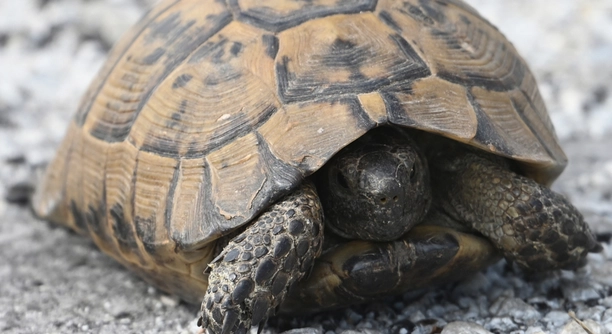
Many tortoise owners notice their pet’s skin becoming dry, which can be concerning. Understanding why this happens and how to fix it is key to keeping your tortoise healthy and happy.
Dry skin in Greek tortoises is often caused by environmental factors, such as improper humidity, inadequate hydration, or an incorrect diet. These issues can lead to skin shedding problems and discomfort. Identifying the underlying cause can help remedy this.
By addressing these common causes, you can help your Greek tortoise maintain healthy, smooth skin. Understanding the simple solutions can make a big difference in your tortoise’s well-being.
1. Low Humidity Levels
A Greek tortoise’s skin can become dry if the humidity in its habitat is too low. These tortoises naturally thrive in environments with moderate humidity, so if the air is too dry, their skin struggles to stay hydrated. Without enough moisture in the air, they may have a harder time shedding their skin, leading to dryness and discomfort. This is especially true if the humidity drops too much during the colder months or in dry indoor environments.
Keeping the humidity at an appropriate level is essential. The ideal range for Greek tortoises is around 40% to 60%. You can maintain this by using a humidity gauge to monitor the levels. Adding a shallow water dish or misting the habitat lightly can also help improve moisture in the air. Make sure the tank or enclosure has adequate ventilation so that the air doesn’t become too stale while keeping moisture balanced. This will create a healthier environment for your tortoise.
By adjusting the humidity levels in your tortoise’s enclosure, you will not only improve their skin health but also provide them with a more comfortable living space. Consistent attention to their environment can make a noticeable difference in their overall well-being.
2. Insufficient Water Intake
Another reason your Greek tortoise might have dry skin is not drinking enough water. Dehydration can lead to a variety of health issues, including dry and flaky skin. If your tortoise’s water bowl is too shallow, dirty, or difficult to access, they might not be drinking enough to stay hydrated. Inadequate water intake can also cause them to become lethargic, and their skin may start to show signs of dehydration.
A fresh water supply should be available at all times. You can place a water dish large enough for your tortoise to soak in, as soaking is natural for them and helps keep them hydrated. Make sure to clean the bowl regularly to avoid bacteria buildup. Also, offering water via misting or soaking your tortoise every few days can encourage hydration, especially during warmer weather when they might need extra moisture. Keep in mind that a hydrated tortoise will shed its skin more effectively, helping to avoid dryness.
Ensuring that your tortoise always has access to clean water and encouraging them to hydrate can keep their skin in better condition. This simple habit is key to preventing dry, uncomfortable skin.
3. Poor Diet
A diet lacking essential nutrients can lead to dry skin on your Greek tortoise. If their food doesn’t provide enough vitamins or minerals, it can affect their skin health. A diet high in dry, low-moisture foods like certain grasses or leaves may also contribute to dehydration.
Make sure your tortoise is eating a varied and balanced diet. Fresh, leafy greens, such as dandelion greens, collard greens, and clover, can provide the moisture and nutrients your tortoise needs. Include fiber-rich vegetables like bell peppers and zucchini to help their digestion. It’s also important to add calcium and vitamin D3 to their meals. A poor diet weakens the immune system and makes their skin less able to retain moisture, causing dryness and flakiness.
Additionally, avoid feeding your tortoise too many high-protein foods, such as commercial pellets or animal-based foods. These can unbalance their diet and cause health issues. Offering a balanced mix of leafy greens, fruits, and vegetables will improve their skin quality and overall well-being.
4. Excessive Heat
Greek tortoises are sensitive to extreme heat, and being exposed to too much heat for long periods can lead to dry, damaged skin. If the temperature in their habitat is too high, it can cause dehydration, as they’ll lose moisture more quickly than they can take it in. It’s essential to monitor the heat levels in your tortoise’s enclosure to prevent this.
Ideal temperatures for a Greek tortoise range from 75°F to 85°F in the daytime, with a slight drop at night. If the temperature is too high, consider moving their enclosure to a cooler spot, or using a cooler heat source. You can also provide shaded areas where your tortoise can retreat to avoid overheating. It’s important to use a reliable thermometer to check both the ambient temperature and the basking spot temperature.
Keep in mind that overexposure to heat can stress your tortoise, leading to more than just dry skin. Stress can weaken their immune system and make them more susceptible to infections or illnesses. Ensuring that their habitat stays within a safe temperature range is key to their overall health and comfort.
5. Shell Mites
Shell mites can also cause dry skin in Greek tortoises. These tiny pests attach to the tortoise’s shell and skin, feeding on their tissue and causing irritation. This can result in rough, dry patches, and in some cases, the skin might begin to peel off.
If you notice unusual spots, scabs, or dry patches on your tortoise’s skin, mites could be the issue. To treat this, it’s important to isolate your tortoise and clean their enclosure thoroughly. Consult a veterinarian for the appropriate treatment, which usually involves specialized mite-killing solutions.
Removing mites and preventing them from reappearing will help your tortoise recover from dry skin caused by these parasites. Regularly inspect your tortoise and its habitat to catch potential problems early.
6. Overbathing
While soaking your tortoise is important for hydration, overbathing can dry out their skin. Too much soaking or leaving them in water for too long can lead to their skin becoming too soft and flaky, which can cause it to dry out after they’re back in a dry environment.
Make sure to only soak your tortoise for 10-15 minutes, and avoid soaking them too often. A good rule of thumb is soaking them once or twice a week, depending on the humidity of their environment. Always dry them off gently after a soak to prevent moisture loss.
7. Stress
Stress can be a hidden factor behind dry skin in Greek tortoises. Stress weakens their immune system and makes it harder for them to shed skin naturally. This can lead to the development of flaky, dry patches. Stress is often caused by sudden changes in the environment, loud noises, or being handled too frequently.
To minimize stress, make sure your tortoise’s environment is consistent and calm. Keep their enclosure in a quiet area and avoid handling them too much, especially in the early stages of their life. A low-stress environment promotes overall health and can help prevent skin dryness.
FAQ
What should I do if my Greek tortoise’s skin is peeling?
If your Greek tortoise’s skin is peeling, it could be a sign of dehydration, poor humidity, or an issue with their diet. Start by checking the humidity in their enclosure, ensuring it falls between 40% and 60%. If it’s too low, add a shallow water dish, mist the area lightly, or use a humidifier. Make sure your tortoise is staying hydrated by offering fresh water and soaking them regularly. Additionally, check their diet to ensure it includes a variety of leafy greens, vegetables, and the proper nutrients. If the peeling persists, consult a veterinarian to rule out mites or other health issues.
Can I use lotion or creams on my tortoise’s skin?
It’s not recommended to apply lotions or creams to your tortoise’s skin. Their skin is very sensitive, and commercial lotions may contain chemicals that could be harmful. The best approach is to improve their living conditions by adjusting humidity levels, hydration, and diet. If the dryness continues, a vet might suggest natural oils or ointments specifically designed for reptiles.
How can I prevent my Greek tortoise from getting dry skin in the future?
To prevent dry skin, focus on maintaining the right humidity levels in their enclosure. Keep the air between 40% and 60% and ensure that they have access to clean, fresh water at all times. A balanced diet with plenty of leafy greens and vegetables will also help. Make sure the temperature in the enclosure is ideal—between 75°F and 85°F during the day. Regularly check for signs of dehydration or other health issues, and address them promptly.
Is it normal for my Greek tortoise to shed skin?
Yes, it’s completely normal for Greek tortoises to shed their skin. This process, known as ecdysis, happens periodically as they grow. However, dry or flaky skin that doesn’t shed properly can be a sign of environmental issues, such as low humidity or dehydration. If you notice excessive dryness or difficulty shedding, adjust their habitat and hydration, and consult a vet if needed.
How often should I soak my Greek tortoise?
Soaking your Greek tortoise once or twice a week is usually enough to keep them hydrated. During the soak, leave them in the water for about 10-15 minutes, ensuring the water is shallow enough for them to move comfortably. Over-soaking can lead to dry skin after the soak, so it’s important to find a balanced routine. If your tortoise seems dehydrated, you can increase soaking frequency slightly, but always monitor for any changes in their skin condition.
What temperature should I keep my Greek tortoise’s enclosure?
The temperature in your Greek tortoise’s enclosure should range between 75°F and 85°F during the day. They need a warm basking area to regulate their body temperature, but it’s also important that there’s a cooler area where they can retreat to if needed. At night, the temperature can drop to around 65°F to 75°F. Use a thermometer to ensure the temperature remains within the recommended range, as extreme heat or cold can lead to skin problems and stress.
Can my Greek tortoise get mites? How can I treat them?
Yes, Greek tortoises can get mites, which can cause dry skin, irritation, and scabbing. If you notice small, dark spots or irregular patches on your tortoise’s skin, you should inspect them for mites. Treatment typically involves isolating the tortoise, cleaning the enclosure thoroughly, and applying a veterinarian-recommended mite treatment. A vet may also suggest a special anti-parasitic bath or topical treatment to help remove the mites. It’s important to clean their habitat well to prevent reinfestation.
Why is my Greek tortoise’s skin so flaky?
Flaky skin can result from a few factors, including dehydration, low humidity, or poor diet. If your tortoise isn’t getting enough water, their skin may become dry and start to flake. Insufficient humidity in the enclosure can also cause shedding issues. Lastly, a poor diet lacking proper nutrients might affect their skin health. Make sure your tortoise is eating a variety of leafy greens, staying hydrated, and living in an environment with the right humidity and temperature.
Should I use a heat lamp for my Greek tortoise?
Yes, a heat lamp is important for maintaining the proper temperature in your Greek tortoise’s enclosure. It provides them with a basking spot, which helps regulate their body temperature. However, make sure the heat lamp doesn’t overheat the area, as excessive heat can lead to dehydration and skin issues. Use a reliable thermometer to monitor the temperature and ensure it stays within the 75°F to 85°F range during the day.
How can I tell if my Greek tortoise is dehydrated?
Signs of dehydration in a Greek tortoise include dry, flaky skin, sunken eyes, and lethargy. If your tortoise seems unusually tired or isn’t eating, it could be a sign of dehydration. You may also notice that their skin is harder to shed, and the flakes may appear thicker than usual. To prevent dehydration, make sure your tortoise has access to clean water at all times and soak them regularly. If dehydration persists, consult a vet immediately.
Taking care of your Greek tortoise’s skin health is important for its overall well-being. Dry or flaky skin can be a sign of underlying issues, but in many cases, these problems are preventable with a few simple adjustments. By maintaining the right humidity, ensuring proper hydration, and offering a balanced diet, you can help your tortoise stay healthy and comfortable. Monitoring their environment and making small changes to improve it can prevent skin dryness from becoming a recurring problem.
It’s also important to pay attention to other factors like temperature and stress. Extreme heat or cold can harm your tortoise, while too much stress can weaken their immune system and contribute to skin issues. Creating a calm, consistent environment is key to your tortoise’s health. Remember that providing them with a suitable habitat—one that includes the right temperature, humidity, and space to roam—is just as important as their diet and hydration.
If the problem persists despite making these adjustments, it’s always a good idea to consult a vet. Sometimes, dry skin can be a symptom of a more serious issue like mites or an infection. A veterinarian can help identify any hidden causes and provide the proper treatment. By paying attention to your tortoise’s needs and staying proactive about their care, you can ensure they live a long, healthy life.

Hello,
If you enjoy the content that we create, please consider saying a "Thank You!" by leaving a tip.
Every little bit helps us continue crafting quality advice that supports the health, happiness, and well-being of pets around the world, for pets of all shapes, sizes, and species.
We really appreciate the kindness and support that you show us!