
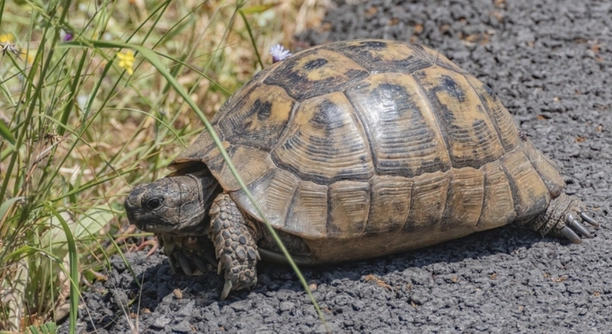
A Greek tortoise can be a rewarding pet, offering companionship and a fascinating glimpse into the world of reptiles. But to ensure its health and happiness, it’s essential to make a few simple changes to its environment.
The most effective way to make your Greek tortoise more comfortable is by adjusting its habitat. Providing the right temperature, lighting, and space can drastically improve its well-being. Offering a diet rich in variety and ensuring a clean environment will also help.
Taking these easy steps will create a more comfortable and enjoyable space for your tortoise to thrive in. Adjusting its living conditions can make a noticeable difference in its overall health and behavior.
1. Proper Temperature and Lighting
Greek tortoises need a specific temperature range to stay healthy. A warm basking area of 90-95°F is essential during the day, while the cooler side should stay between 70-80°F. This temperature difference mimics their natural environment and helps them regulate body functions. Providing UVB lighting is just as important, as it helps them synthesize vitamin D3, which is necessary for calcium absorption and overall health.
If the temperature isn’t right, it can lead to various health issues. Without proper lighting and warmth, your tortoise may become lethargic, lose appetite, or even experience shell deformities. It’s important to monitor their habitat regularly to ensure consistency.
Setting up a reliable heat source, such as a heat lamp or ceramic bulb, and placing it in one section of the enclosure helps maintain this temperature gradient. A UVB light should be on for 10-12 hours each day, mimicking the natural daylight cycle. Keeping the lighting system on a timer makes it easy to maintain a consistent environment.
2. Adequate Space
Having enough space in the enclosure is crucial for your tortoise’s physical and mental health. A cramped area can lead to stress, inactivity, and other health issues. Providing a large, open space allows your tortoise to move around freely, engage in natural behaviors like digging, and explore.
A spacious enclosure also allows you to create separate areas for eating, basking, and hiding. This setup mimics their natural habitat, where they have access to different microenvironments. When setting up the enclosure, make sure there’s plenty of room for these activities. A larger space also reduces the chance of your tortoise becoming bored, which can lead to unwanted behaviors.
While there’s no strict rule for the minimum size, a good guideline is to provide at least 4×8 feet of space for an adult Greek tortoise. This will give them enough room to roam, bask, and find food. If your tortoise is in a smaller enclosure, consider upgrading to a larger one for their well-being.
3. Correct Diet and Hydration
Feeding your Greek tortoise a balanced diet is key to its health. They thrive on leafy greens, such as dandelion greens, collard greens, and kale, along with occasional fruits like strawberries or melon. Offer a variety to ensure they get all the nutrients they need.
Avoid feeding your tortoise high-protein or high-fat foods, like animal-based proteins or processed pet foods, as these can lead to obesity and kidney problems. In addition to the greens, providing access to fresh water daily is important for hydration. Make sure the water bowl is shallow, so they can drink comfortably without risking drowning.
The right balance of food keeps your tortoise energized and helps prevent metabolic bone disease. Always remove uneaten food to maintain a clean environment. Offer a calcium supplement once a week, especially for younger tortoises, to support healthy shell growth. A healthy diet supports their immune system and ensures a long, happy life.
4. Clean and Safe Environment
Maintaining a clean environment is essential to your tortoise’s comfort and health. A dirty habitat can lead to infections, respiratory issues, or even shell rot. Regularly clean the enclosure, change bedding, and remove waste to avoid contamination.
Using non-toxic materials, like aspen bedding or coconut coir, is the best choice. These substrates are safe and easy to maintain, ensuring a comfortable place for your tortoise to roam. Avoid using sand or wood shavings, as these can cause respiratory issues or be harmful if ingested.
Cleaning their space not only helps prevent health problems but also reduces stress. If the area smells or seems dirty, your tortoise may avoid it or even stop eating. Regular maintenance creates a safe, comfortable habitat that allows them to thrive. A clean, organized environment is a basic but vital step in making your tortoise’s life easier.
5. Provide Hiding Spots
Hiding spots are essential for your tortoise to feel safe and secure. Greek tortoises are naturally shy and enjoy having a place to retreat when they feel stressed or need rest. Adding a simple hide or tunnel in their enclosure can make a big difference in their comfort.
A hide can be as simple as a small wooden box, a ceramic pot turned on its side, or even a pile of rocks. Make sure it’s placed in a quiet area of the enclosure to allow your tortoise a peaceful retreat. Having this option helps prevent stress and supports their mental well-being.
6. Regular Health Checks
Checking your tortoise’s health regularly can help spot any issues early. Look for signs like swollen eyes, irregular shell growth, or changes in appetite. These signs could indicate underlying problems like respiratory infections, parasites, or nutritional deficiencies.
A routine checkup every few months, including a visit to the vet, can ensure your tortoise stays in good health. Checking their shell for any cracks or soft spots is also important. Keeping track of their weight and eating habits is key to noticing early signs of illness or stress.
7. Temperature Regulation at Night
Keeping the right temperature at night is crucial for your tortoise’s comfort. When the lights go out, make sure the temperature doesn’t drop too low. Nighttime temperatures should be around 65-75°F, which prevents them from getting too cold while still allowing them to sleep comfortably.
Too low of a temperature can slow down their metabolism and cause health problems. Consider using a ceramic heat emitter for nighttime warmth that doesn’t produce light, as it won’t disturb their sleep.
FAQ
How much space does my Greek tortoise need?
A Greek tortoise requires a large enclosure to stay healthy. For adults, a minimum of 4×8 feet of space is recommended, but bigger is always better. A larger area allows your tortoise to roam freely, engage in natural behaviors, and explore its environment. It’s also important to provide different areas for basking, hiding, and eating. If you are unable to give your tortoise this much space indoors, consider creating a secure outdoor enclosure during the warmer months.
What should I feed my Greek tortoise?
Greek tortoises primarily eat leafy greens, such as dandelion greens, collard greens, and romaine lettuce. You can also offer occasional fruits like strawberries, melon, and apples, but avoid feeding them sugary or high-fat foods regularly. A balanced diet is key to their health. They also need a variety of fibrous plants to aid digestion. Always make sure fresh water is available, and consider offering a calcium supplement once a week to support their shell and bone health.
How can I make sure my tortoise gets enough UVB light?
UVB light is essential for a Greek tortoise to absorb calcium and maintain proper health. Make sure to provide a UVB bulb that is specifically designed for reptiles. This light should be on for 10-12 hours a day to mimic natural sunlight. The bulb should be placed about 12-18 inches above your tortoise to provide adequate exposure. Replace the UVB light every 6 months, as its effectiveness decreases over time. If you’re unsure, a UVB meter can help you measure the intensity of the light.
Can my Greek tortoise live outside?
Yes, Greek tortoises can live outside in a secure, safe enclosure. They thrive in natural sunlight and enjoy exploring a larger space. However, you must ensure the outdoor environment is safe from predators and offers appropriate shelter. The enclosure should have a place for your tortoise to bask, a shaded area for cooler temperatures, and a secure spot for them to hide. Be sure to monitor weather conditions closely, as they can’t tolerate extreme heat or cold.
How often should I clean my tortoise’s enclosure?
Cleaning your tortoise’s enclosure should be done regularly. You should spot-clean daily by removing leftover food, feces, and any waste. A deeper clean should be done once a week, which involves removing all bedding, disinfecting surfaces, and replacing the substrate. If you use a water bowl, it should be cleaned and refilled daily to avoid bacterial growth. Keeping the habitat clean helps prevent infections and ensures your tortoise stays healthy.
What is the ideal temperature for a Greek tortoise?
Greek tortoises need a temperature gradient in their enclosure to regulate their body heat. The basking area should be between 90-95°F during the day, and the cooler side of the enclosure should stay around 70-80°F. At night, the temperature should not drop below 65°F. Using a ceramic heat emitter at night will help maintain a steady temperature without disturbing your tortoise’s sleep. Ensure that temperature fluctuations are not extreme, as this could stress your tortoise.
How do I prevent shell rot in my tortoise?
Shell rot is usually caused by a humid or dirty environment, leading to bacterial or fungal infections. To prevent this, maintain a clean habitat, keep humidity levels low, and make sure your tortoise has a dry, safe place to sleep. Regularly inspect your tortoise’s shell for signs of swelling, softness, or discoloration, as these may indicate shell rot. If you notice any of these signs, it’s important to seek veterinary care right away.
Why is my tortoise not eating?
Loss of appetite can be caused by several factors, including stress, illness, or improper temperature and lighting. First, check that the enclosure is set up properly with correct temperature gradients and UVB lighting. Stress can also arise from an overcrowded habitat or excessive handling. If the environment is suitable and your tortoise is still refusing to eat, it may be time to visit a veterinarian to rule out any health issues, such as parasites or metabolic bone disease.
How do I know if my tortoise is sick?
Signs that your Greek tortoise may be sick include lethargy, a lack of appetite, swollen or cloudy eyes, irregular shell growth, and abnormal breathing sounds. If your tortoise is spending more time hiding than usual or seems overly sluggish, these could be red flags. Any changes in behavior should be taken seriously, and if you’re unsure, consult with a reptile vet. Early intervention is key to preventing further complications.
Can I handle my Greek tortoise?
Yes, Greek tortoises can be handled, but it’s important to do so gently and avoid excessive handling. They are not as social as some other pets and may become stressed if handled too much. When you do handle them, make sure to support their body fully and avoid picking them up by their shell. Short, calm interactions are best, and always wash your hands afterward to keep both you and your tortoise healthy.
Final Thoughts
Taking care of a Greek tortoise is a rewarding experience, but it does require attention and commitment. By making simple changes to their environment and providing the right care, you can ensure your tortoise is comfortable and healthy. Whether it’s adjusting the temperature, offering a balanced diet, or maintaining a clean living space, each of these small changes can make a significant difference in your tortoise’s well-being. Their health and happiness are largely determined by the environment you create for them, so it’s important to stay consistent and mindful of their needs.
It’s also important to remember that Greek tortoises are living creatures with unique personalities and needs. While they may not be as interactive as some pets, they still benefit from a well-maintained habitat and a proper routine. Having the right space, proper lighting, and a varied diet all contribute to their overall comfort. Keeping an eye on their health and observing any changes in their behavior can help you address any issues early. The more you understand their needs, the better you can care for them.
Ultimately, the goal is to create an environment where your Greek tortoise feels safe and secure. When given the proper care, these tortoises can live long, happy lives. With a little effort and attention, you can provide a habitat that suits their natural behaviors and promotes their health. It may take some time to get everything just right, but the effort will be well worth it as you watch your tortoise thrive in its comfortable space.

Hello,
If you enjoy the content that we create, please consider saying a "Thank You!" by leaving a tip.
Every little bit helps us continue crafting quality advice that supports the health, happiness, and well-being of pets around the world, for pets of all shapes, sizes, and species.
We really appreciate the kindness and support that you show us!