
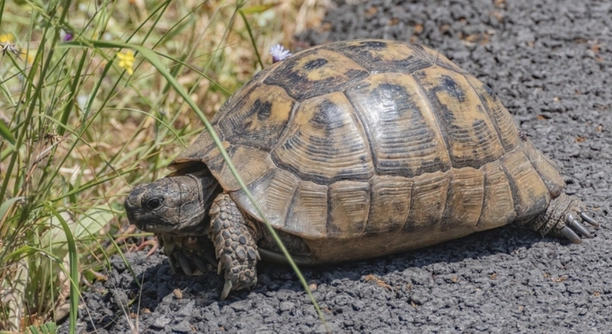
Greek tortoises are known for their curious and active nature. If you’ve noticed your tortoise digging in the same spot repeatedly, it might seem unusual or concerning. Understanding why this behavior occurs can help ease your worries.
The primary cause for your Greek tortoise digging in the same spot is likely related to instincts tied to territory or environmental factors. They may be seeking food, nesting areas, or exploring specific places they feel comfortable in.
There are various reasons for this behavior, ranging from natural instincts to environmental needs. Read on to discover the possible causes and how you can provide a more suitable environment for your tortoise.
1. Natural Instincts of Greek Tortoises
Greek tortoises have strong instincts for digging. In the wild, they dig to create burrows for hiding, nesting, or finding food. When in captivity, they may repeat this behavior as part of their routine, even when there is no immediate need. Digging can provide them with a sense of security and comfort. They may dig in one specific area because it reminds them of a safe, familiar space. It’s important to recognize this behavior as part of their natural tendencies rather than a sign of stress.
Repeated digging isn’t a cause for concern unless other signs of distress accompany it, like loss of appetite or lethargy.
Providing your tortoise with a well-structured habitat that includes areas where they can dig freely will help them maintain their natural behaviors. You may want to place some loose substrate or sand in the enclosure to satisfy this need. This ensures they feel secure and happy while remaining active.
2. Temperature and Humidity
Temperature and humidity play a significant role in a Greek tortoise’s digging behavior.
If the environment is too hot or too cold, they may dig to escape uncomfortable conditions. They might seek cooler or warmer soil by digging deeper into the substrate. High humidity levels or a lack of proper ventilation can also cause them to dig as they attempt to find a more suitable environment.
It’s crucial to maintain the right balance in your tortoise’s habitat. Using a thermostat to regulate the temperature and a hygrometer to measure humidity will help keep your tortoise comfortable. If the conditions are not right, your tortoise may dig in search of a better spot to regulate its body temperature and moisture levels. This natural instinct is simply their way of protecting themselves from potential harm. Adjusting the enclosure’s climate can reduce the need for excessive digging, leading to a more content and healthy tortoise.
3. Mating Behavior
Digging can also be part of mating behavior for Greek tortoises. During the breeding season, males may dig to establish territory or to attract a mate. This behavior can include digging in the same spot repeatedly, as they create a space to display their readiness for mating.
Male tortoises often dig to assert dominance, signaling their presence and territory. They may also engage in digging to mark an area where they’ve seen a potential mate or to prepare a nest for laying eggs. Even if there is no mate present, this behavior persists due to instinct.
In a captive environment, the lack of mates can lead to frustrated digging, as the tortoise still follows these natural patterns. Ensuring that the enclosure mimics natural conditions as much as possible, such as adding some form of nesting area, can help reduce excessive digging.
4. Enclosure Size and Space
A small or cramped enclosure can make your tortoise feel confined. When this happens, it may dig in an attempt to escape or to explore more.
Tortoises need plenty of space to roam, dig, and explore. If they feel restricted, they might dig in one spot to create more room or find new areas to investigate. A proper habitat should include sufficient space, allowing your tortoise to move freely and perform natural behaviors.
Having a larger enclosure helps provide opportunities for the tortoise to exercise and satisfy its instincts. Adding a variety of textures and surfaces, like soil, rocks, and sand, encourages your tortoise to dig as it would in nature. Make sure the space is large enough for them to feel comfortable. A cramped living area can lead to increased digging and stress, so giving them ample room can help keep them content.
5. Stress and Anxiety
Stress can cause your Greek tortoise to dig excessively. Changes in their environment, loud noises, or handling can lead to anxiety, which they may express through digging. This is their way of coping with stress.
If your tortoise is digging more than usual, assess the environment for potential stressors. Consider whether there have been any changes, such as new pets, changes in lighting, or noise disturbances. These factors can contribute to anxiety, causing your tortoise to dig as a way to escape or manage the stress.
Giving your tortoise a stable, quiet environment will help reduce stress-related digging. Reducing unnecessary handling and ensuring a peaceful space can encourage your tortoise to settle and feel more secure.
6. Searching for Food
Greek tortoises are often digging in search of food. This behavior is linked to their natural instincts to forage for plants and insects. They may dig in specific spots to uncover hidden food sources.
If you notice your tortoise digging more frequently, ensure it has access to enough food. It could be searching for extra meals or trying to find more nutritious food in areas it hasn’t fully explored. Providing variety and hiding food in different parts of the enclosure can stimulate their natural foraging behaviors.
7. Lack of Enrichment
If your tortoise’s enclosure lacks stimulation, it may turn to digging for entertainment. Tortoises are curious creatures and need a variety of objects to explore and interact with.
Adding enrichment, such as rocks, tunnels, or branches, encourages your tortoise to engage with its environment. This reduces the focus on digging in one spot and provides mental stimulation. A bored tortoise may dig more often to pass the time or relieve frustration from inactivity. Ensuring their habitat is enriched will reduce boredom-driven behaviors.
FAQ
Why does my Greek tortoise dig in the same spot every day?
If your tortoise digs in the same spot regularly, it could be due to instinct. Greek tortoises dig to create burrows for nesting, food searching, or comfort. They might be marking a specific territory or area they find safe. If the behavior seems excessive, check if the space feels secure or if they are seeking food or better temperature regulation.
How can I stop my tortoise from digging too much?
To reduce excessive digging, ensure your tortoise has plenty of space and a stable environment. A larger enclosure with natural surfaces, such as soil or sand, will help satisfy its digging instincts. You can also introduce enrichment to engage your tortoise in other activities, which may reduce the need for excessive digging.
Is it normal for my tortoise to dig when stressed?
Yes, digging can be a sign of stress in Greek tortoises. Changes in their environment, noise, or sudden movements can cause anxiety, leading them to dig more. Evaluate any potential stressors around them, and aim to create a quiet, stable environment to ease their stress.
Should I be concerned if my tortoise is digging more than usual?
If your tortoise begins digging more than usual, it’s important to assess the potential causes. While digging is a natural behavior, sudden changes in frequency might indicate stress, discomfort, or health issues. Look for other signs of distress, such as a decrease in appetite or lethargy, and consider consulting a vet if necessary.
How deep do Greek tortoises dig in captivity?
Greek tortoises may not dig as deeply in captivity as they would in the wild, but they can still create deep burrows if given the opportunity. A depth of a few inches to a foot is common, especially if they are digging to regulate temperature or find a safe hiding place. Providing a deeper substrate, such as soil or sand, can help satisfy this behavior.
What temperature should my tortoise’s enclosure be to reduce digging?
Maintaining the right temperature is crucial in minimizing unnecessary digging. Greek tortoises need a temperature gradient within their enclosure to regulate their body heat. Ensure a warm basking area around 90-95°F and a cooler area around 70-75°F. If temperatures fluctuate too much, your tortoise may dig to find a more stable spot.
How do I know if my tortoise is digging because it’s hungry?
If your tortoise is digging specifically for food, it’s likely because it hasn’t been fed enough or is looking for more nutrients. Ensure your tortoise’s diet includes a variety of vegetables, grasses, and occasional protein. Hiding food in different areas of the enclosure may also encourage natural foraging behaviors instead of excessive digging.
Can boredom cause my tortoise to dig a lot?
Yes, boredom is a common reason Greek tortoises dig excessively. They are curious animals that need mental stimulation. Without enrichment, such as objects to climb or hide under, they may dig in an attempt to entertain themselves. Adding various textures, rocks, or tunnels can help reduce the focus on digging.
Should I change my tortoise’s substrate if it’s digging a lot?
If your tortoise is digging too much in a specific area, it might be due to the substrate. Changing it to a different type, such as sand or soil, could encourage more natural digging behaviors. Additionally, adding depth or variety to the substrate might reduce the tendency to dig in one spot.
Does my tortoise need a nesting area if it keeps digging?
Providing a nesting area can help reduce unnecessary digging if your tortoise feels the need to dig for nesting purposes. You can create a designated area with deeper substrate where your tortoise can dig freely. This will allow them to satisfy this instinct while keeping the rest of the enclosure undisturbed.
How often should I be handling my Greek tortoise to prevent stress-related digging?
Handling your tortoise too frequently or roughly can lead to stress and potentially more digging. Limit handling to necessary cleaning or occasional bonding time, and ensure that your tortoise has enough time to explore its environment freely. Creating a calm atmosphere without excessive interference will help reduce stress-driven behaviors like digging.
What is the best way to create a proper environment for my tortoise to prevent excessive digging?
A proper environment includes a spacious enclosure with varied surfaces for exploration, such as rocks, logs, and different types of substrates. Providing a heat source, cool area, and humidity control will help your tortoise regulate its body temperature. Offering a peaceful, quiet space will also reduce stress-related digging.
Final Thoughts
Understanding why your Greek tortoise digs in the same spot can help ensure it remains healthy and comfortable. Digging is a natural behavior for tortoises, but if it seems excessive or out of the ordinary, it’s important to assess the cause. Whether it’s searching for food, creating a nesting spot, or responding to stress, each reason points to different needs that should be addressed. Regular observation of your tortoise’s behavior is essential in determining whether the digging is due to instinct or an underlying issue.
Providing an enriching environment is key to minimizing unwanted digging. Greek tortoises are curious and require mental stimulation. By offering a variety of objects, such as rocks, branches, or tunnels, you can encourage them to explore their surroundings without focusing solely on digging. It’s also helpful to maintain a proper temperature gradient and humidity levels within their enclosure to ensure they feel secure and can regulate their body heat. A comfortable tortoise is less likely to dig excessively in search of a better environment.
Lastly, keep in mind that every tortoise is unique. Some may dig more than others based on their personality or the conditions in their environment. Regular health checks and ensuring their habitat is clean, safe, and spacious will help reduce stress and allow them to engage in more natural behaviors. If the digging continues or increases, or if you notice other signs of distress, it’s always a good idea to consult a vet to rule out health issues. A well-balanced environment and routine care will help your Greek tortoise thrive.

Hello,
If you enjoy the content that we create, please consider saying a "Thank You!" by leaving a tip.
Every little bit helps us continue crafting quality advice that supports the health, happiness, and well-being of pets around the world, for pets of all shapes, sizes, and species.
We really appreciate the kindness and support that you show us!