
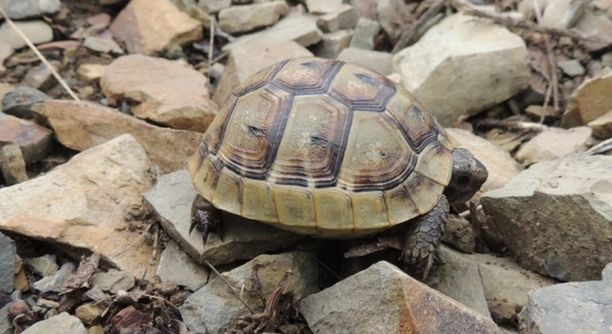
Creating the perfect lighting setup for a Greek tortoise enclosure can be tricky. Proper lighting is essential for their health and well-being, mimicking their natural environment. The right combination of UVB and heat will help them thrive.
The most effective way to provide the proper lighting for your tortoise is by using a combination of UVB and heat lamps. UVB light helps them synthesize vitamin D3, which is crucial for calcium absorption, while heat lamps ensure proper thermoregulation.
Understanding how to set up the right lighting system can lead to a healthier and happier tortoise.
Importance of UVB Lighting for Greek Tortoises
UVB lighting is a vital part of your Greek tortoise’s enclosure. These tortoises need exposure to UVB rays to produce vitamin D3, which is essential for calcium absorption. Without proper UVB light, your tortoise may develop metabolic bone disease, a condition that can lead to weak bones and deformities. In the wild, tortoises naturally bask in the sun to receive this important light. Recreating this environment in captivity requires the right UVB light, which mimics the sun’s rays. It is best to choose a UVB light that is specifically designed for reptiles, ensuring it provides the proper wavelengths and intensity.
In addition to the type of UVB bulb, the placement is also crucial. The light should be positioned 12 to 18 inches above the tortoise’s basking spot. This ensures the tortoise gets the right amount of UVB exposure without being too far away or too close.
By ensuring your tortoise has the right UVB lighting, you will be providing the proper care for their bones and overall health.
Choosing the Right Heat Source
When it comes to heating your Greek tortoise’s enclosure, heat lamps are the most effective option.
Heat lamps should maintain a basking temperature of around 90 to 100°F. These temperatures are necessary for proper digestion and overall well-being. Be sure to use a reliable thermometer to monitor the heat in the enclosure regularly. Too much or too little heat can stress your tortoise and interfere with their ability to maintain proper body temperature. Additionally, having a cooler area in the enclosure allows your tortoise to regulate its body temperature and move to a spot that feels comfortable. This temperature gradient should range from 75°F to 80°F at the cooler end of the enclosure.
By investing in a proper heat source and thermometer, you’ll ensure that your tortoise is comfortable and has the right conditions to thrive.
Light Placement and Distance
The placement of your UVB light plays a significant role in ensuring your tortoise gets enough exposure.
Position the UVB bulb about 12 to 18 inches from the basking area. If it’s too far away, your tortoise won’t receive adequate UVB exposure, leading to deficiencies. If it’s too close, it could cause stress or burns. Using a light fixture with adjustable arms can help you fine-tune the distance, providing flexibility as needed.
Check the manufacturer’s guidelines for your specific UVB bulb. They often provide precise recommendations on the optimal distance to avoid any potential issues. The key is balance.
Using a Timer for Consistency
Consistency is key when it comes to lighting schedules.
By using a timer, you can maintain a regular light cycle for your tortoise. Set the timer to provide 10 to 12 hours of light each day, which mimics the natural daylight cycle. Regular lighting schedules help keep your tortoise’s biological rhythms in check. Additionally, using a timer prevents you from forgetting to turn lights on or off, which is crucial for maintaining a healthy habitat. Automated timers also reduce the chances of overexposure, ensuring that your tortoise isn’t exposed to light for too long.
This regular schedule helps reduce stress and promotes proper activity levels. By keeping the light consistent, you support your tortoise’s natural behavior patterns.
Types of UVB Bulbs
There are two main types of UVB bulbs to consider: fluorescent and mercury vapor bulbs.
Fluorescent bulbs are effective and affordable. They provide a steady UVB output, but their effectiveness diminishes over time, so they need to be replaced every 6 to 12 months. Mercury vapor bulbs offer both UVB and heat, making them a more efficient option. However, they tend to be pricier.
Using Reflectors for Better Coverage
Reflectors help direct the UVB and heat rays to your tortoise’s basking area.
Adding a reflector around the bulb can increase the efficiency of your lighting system, reducing the need for multiple bulbs. It also ensures that your tortoise receives the proper amount of light over a wider area.
FAQ
What is the best UVB bulb for a Greek tortoise?
The best UVB bulb for a Greek tortoise is one specifically designed for reptiles. Look for bulbs with UVB output in the 10-12% range. Mercury vapor bulbs are a good option because they provide both heat and UVB, but fluorescent bulbs can also be effective when paired with a heat source.
How often should I replace the UVB bulb?
UVB bulbs lose their effectiveness over time, even if they still appear to be working. Fluorescent UVB bulbs should be replaced every 6 to 12 months. Mercury vapor bulbs tend to last longer, but it’s still a good idea to replace them every 12 months to ensure optimal UVB output.
Do I need to turn off the lights at night?
Yes, turning off the lights at night is important. Greek tortoises, like most reptiles, need a period of darkness to maintain a natural day-night cycle. This helps regulate their circadian rhythms and supports overall health. You can use a timer to ensure consistent light cycles.
How far should the UVB light be from my tortoise?
The UVB bulb should be placed 12 to 18 inches above the basking area. If it’s placed too far away, your tortoise won’t receive enough UVB exposure. If it’s too close, it can cause stress or even burns. Regularly check the distance to ensure proper placement.
Can I use regular light bulbs for my tortoise enclosure?
Regular light bulbs do not provide the necessary UVB rays that reptiles need for vitamin D3 production. For your Greek tortoise, you’ll need a UVB bulb designed for reptiles, paired with a heat source to maintain proper basking temperatures.
How do I create a temperature gradient in the enclosure?
A temperature gradient helps your tortoise regulate its body temperature by allowing it to move between warmer and cooler areas. Place a heat source at one end of the enclosure and leave the opposite end cooler. Aim for 90-100°F in the basking area and 75-80°F at the cooler end.
Is it okay to use a heat mat for a Greek tortoise?
Heat mats are generally not recommended for Greek tortoises. They don’t provide the same basking opportunities that a heat lamp offers. While heat mats can warm the substrate, they may not effectively create a basking spot or help with thermoregulation.
How long should I keep the lights on each day?
Greek tortoises need 10 to 12 hours of light each day. Set your lights on a timer to maintain a consistent light cycle, mimicking natural daylight hours. This is crucial for their activity levels, feeding habits, and overall well-being.
Can my tortoise get too much UVB exposure?
Yes, it’s possible for your tortoise to receive too much UVB, especially if the light is placed too close to them. Overexposure to UVB can cause burns or other skin issues. Always follow manufacturer guidelines for bulb distance and regularly monitor your tortoise’s condition.
Do I need to provide UVB lighting during the winter?
Yes, even in the winter months, UVB lighting is essential. Your tortoise’s needs do not change with the season, and it’s important to maintain a consistent light schedule year-round. The absence of natural sunlight can lead to deficiencies, so keeping UVB lights on helps keep your tortoise healthy.
Can I use LED lights in my tortoise enclosure?
LED lights do not provide UVB radiation, so they are not suitable as the primary source of light for your Greek tortoise. However, you can use LED lights for general illumination to mimic natural daylight, but they should not replace a proper UVB bulb.
What type of thermometer should I use for the enclosure?
It’s best to use both a digital thermometer and a probe thermometer. Digital thermometers can be placed in various areas of the enclosure to monitor temperatures, while probe thermometers provide a more accurate reading of basking spots. This ensures you maintain the proper temperature gradient.
Can I use a single bulb for both UVB and heat?
Yes, you can use a combined UVB and heat bulb, such as a mercury vapor bulb. These bulbs provide both light and warmth, which can be more efficient and convenient. Just be sure the bulb you choose is the right wattage for your enclosure size.
Final Thoughts
Creating the right lighting setup for your Greek tortoise is essential for their health and well-being. By understanding their specific needs for UVB light, you can help ensure they thrive in captivity. It’s important to provide the correct amount of UVB exposure, as it helps your tortoise produce vitamin D3, which is necessary for calcium absorption. Without sufficient UVB light, your tortoise may suffer from metabolic bone disease, a serious condition that can lead to deformities and other health issues.
Choosing the right type of UVB bulb, understanding its proper distance from your tortoise, and maintaining a consistent light schedule are all crucial steps in setting up the perfect environment. You can opt for fluorescent bulbs, which are effective and affordable, or mercury vapor bulbs, which offer both UVB and heat. Whichever bulb you choose, it’s important to replace it regularly to ensure your tortoise gets the proper UVB exposure. It’s also important to use a timer to maintain consistent light cycles, mimicking natural daylight hours to avoid disrupting your tortoise’s biological rhythms.
Remember, Greek tortoises need a temperature gradient to regulate their body temperature. By placing a heat source in one area of the enclosure and keeping the other end cooler, you create an environment where your tortoise can move to find its optimal temperature. Proper lighting, in combination with the right temperature setup, helps create a balanced environment that supports your tortoise’s natural behavior and health. Taking these steps will help ensure your Greek tortoise lives a happy, healthy life.

Hello,
If you enjoy the content that we create, please consider saying a "Thank You!" by leaving a tip.
Every little bit helps us continue crafting quality advice that supports the health, happiness, and well-being of pets around the world, for pets of all shapes, sizes, and species.
We really appreciate the kindness and support that you show us!