
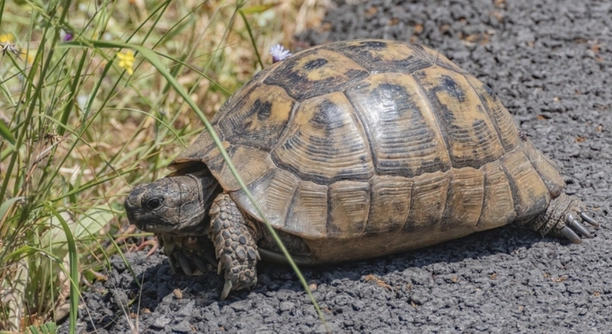
Greek tortoises are wonderful companions, but like any pet, they can experience stress. If your tortoise seems anxious or uncomfortable, it’s important to address the issue to keep them happy and healthy.
To help a stressed Greek tortoise, you need to create a calm environment, provide proper temperature and lighting, offer a balanced diet, and avoid sudden changes in their habitat. Regular interaction and proper care can reduce their stress significantly.
Understanding how small adjustments in their care routine can make a big difference will help you provide the best possible environment for your tortoise.
Create a Calm and Safe Environment
Stress in Greek tortoises can often be linked to an unsettling environment. Tortoises are naturally quiet creatures, and any loud noises, sudden changes in their surroundings, or new pets can disturb them. It’s important to provide a peaceful habitat that allows your tortoise to feel secure. Keeping their enclosure away from high-traffic areas and minimizing loud noises can help reduce stress.
Providing a hiding spot within their enclosure also gives them a place to retreat when they feel threatened. This should be a simple, low-tech feature, like a small cave or box. It should allow them to hide completely, offering the necessary safety they need to relax.
Lighting and temperature play a big role too. Greek tortoises require consistent warmth to stay healthy, so it’s essential to have a proper heat source like a basking lamp. Too much fluctuation in temperature can increase stress and cause health issues. Maintaining the right environment helps ease their worries.
Offer a Proper Diet
The right diet is crucial for reducing stress in your tortoise. Overfeeding or offering the wrong foods can create digestive problems and make them more anxious.
A balanced diet should consist of a variety of leafy greens, such as dandelion greens, collard greens, and kale. These should make up the bulk of their diet. Occasionally, you can offer vegetables like squash and bell peppers, but keep it in moderation. It’s also important to ensure your tortoise always has access to fresh water to stay hydrated.
Too much protein or fruit can cause digestive upset and stress. In addition, avoid feeding them any processed foods or high-fat items, as they are not suited for tortoises’ digestive systems. Keeping their meals balanced and appropriate will help them stay healthy and calm.
Keep Their Habitat Stable
Consistency is key to a tortoise’s comfort. Constantly changing their habitat can lead to stress. Avoid rearranging their enclosure or adding and removing items frequently. A steady, familiar environment helps them feel secure. Even small changes, like switching their hiding spots, can make them uneasy.
Their enclosure should have steady temperatures and humidity levels. Greek tortoises thrive in warm, dry climates, but be mindful not to overheat them. Providing a constant temperature gradient, with a cooler and warmer area, helps them regulate their body heat. This stability will prevent unnecessary stress from fluctuating conditions.
Changing the lighting schedule also impacts your tortoise’s comfort. A regular light cycle mimics the natural day-night rhythm, which is vital for their well-being. Ensure their basking area is properly lit for several hours during the day, and avoid keeping the lights on for too long at night.
Limit Handling and Interaction
While handling your tortoise can be a bonding experience, excessive interaction can increase stress. Greek tortoises prefer solitude and need time to themselves. Over-handling can cause anxiety, so it’s best to limit physical contact to short periods. Always handle them gently to avoid startling them.
If you need to pick up your tortoise, ensure it’s done in a calm and slow manner. Avoid sudden movements or loud sounds that could scare them. Also, avoid handling them right after meals or during periods of rest, as it may disrupt their routines. Give them time to adapt to your presence without the need for constant touch.
This doesn’t mean you should ignore them completely. Spending quiet time near them or sitting beside their enclosure allows them to observe and get used to you. This will help foster trust and a sense of security.
Offer Regular Sunlight
Exposure to natural sunlight is essential for your tortoise’s health. If they’re kept indoors, it’s important to provide them with UVB lighting that mimics the sun’s rays. This helps prevent calcium deficiency, which can lead to stress and health problems.
Allowing your tortoise to spend time outside during warm, sunny days can benefit their mood and overall well-being. When outdoors, make sure the area is safe and escape-proof. Sunbathing can help reduce stress by providing them with a natural, calming environment. It’s a simple but effective way to keep them happy.
Provide Proper Enclosure Size
The size of your tortoise’s enclosure matters greatly. A cramped space can increase anxiety and stress. A larger area allows them to move around freely, explore, and exhibit natural behaviors.
It’s important to create a space that mimics their natural habitat. This includes areas for them to hide, bask, and roam. The more room they have, the less likely they are to feel confined or stressed. Keeping their space clean and appropriately sized will ensure they’re not overwhelmed by their surroundings.
Keep the Environment Clean
A clean enclosure is crucial for your tortoise’s health and comfort. Regular cleaning prevents the buildup of harmful bacteria and ensures that their habitat is free of waste, which can lead to stress or illness.
Replace dirty bedding, scrub surfaces, and make sure there’s no standing water that could cause mold. By maintaining a sanitary environment, you’ll reduce potential stressors like unpleasant smells or bacteria that could compromise your tortoise’s well-being. Regular maintenance of their enclosure is key to a healthy, stress-free life for your pet.
FAQ
How do I know if my Greek tortoise is stressed?
Stress in a Greek tortoise can show in several ways. If they’re hiding more than usual, not eating, or moving less, they could be feeling anxious. You might also notice them becoming more aggressive or defensive, even if they’re typically calm. Their shells might appear slightly shrunken, or they may seem withdrawn. If any of these signs occur, consider evaluating their environment to ensure it’s stable and calm.
Can I put my Greek tortoise outside all the time?
No, you shouldn’t leave your tortoise outside unsupervised. While it’s beneficial to let them bask in the sun for a few hours a day, always supervise them when they’re outdoors. You should also bring them inside at night to keep them safe from predators and ensure the temperature is controlled. The outdoor space must be secure and free from any potential dangers like toxic plants or other animals.
What kind of bedding is best for a Greek tortoise?
The best bedding for a Greek tortoise should be absorbent, natural, and non-toxic. Materials like organic soil, coconut coir, and grass hay work well. Avoid sand or cedar bedding, as these can irritate their respiratory system or cause impaction if ingested. The bedding should allow them to dig, which is a natural behavior.
How often should I feed my Greek tortoise?
Feed your Greek tortoise daily with fresh greens and vegetables. It’s important to give them a variety of leafy greens, such as dandelion greens, kale, and collard greens. The amount of food should be enough to cover the tortoise’s shell size. Be sure to remove uneaten food after a few hours to prevent mold growth. Occasionally, you can offer fruits as a treat, but they should not make up a large portion of their diet.
Can I bathe my Greek tortoise?
Yes, bathing your Greek tortoise is a good idea. Bathing helps with hydration, especially if they’re not drinking enough water on their own. It can also assist with digestion. Fill a shallow dish with lukewarm water and place your tortoise in it for 10 to 15 minutes. Never use hot or cold water, as this could stress them out.
Do I need to take my Greek tortoise to the vet?
Regular check-ups with a vet who specializes in reptiles are important. Annual visits can help catch potential health issues before they become serious. If you notice any changes in behavior, eating habits, or physical appearance, it’s best to take them to the vet for an evaluation. Proper care can keep your tortoise healthy for many years.
How can I prevent my Greek tortoise from getting stressed during winter?
Winter can be a stressful time for Greek tortoises, especially if they’re not hibernating. Make sure their indoor enclosure is warm enough and has proper lighting to mimic natural daylight cycles. Keep the environment humid enough to prevent their skin from drying out, but not too humid to promote mold. Avoid moving them to new environments during the colder months, as this can increase their stress. If your tortoise is hibernating, ensure they are in a quiet, safe area and monitor them regularly.
Why is my Greek tortoise not eating?
Loss of appetite can be a sign of stress or health issues. If they’re not eating, check their environment first. Ensure the temperature and humidity levels are correct, as extreme temperatures can cause them to stop eating. Stress from overhandling, noise, or changes in their enclosure can also affect their appetite. If you can’t pinpoint the cause, consult a vet.
Can I keep two Greek tortoises together?
It’s possible to keep two Greek tortoises together, but there are some things to consider. Male tortoises can be territorial and aggressive, especially when trying to mate. It’s better to house males separately to avoid fighting. If you keep more than one tortoise in the same enclosure, make sure it’s spacious enough for both to have their own space and hide when needed. Proper observation is necessary to ensure they aren’t stressed by each other’s presence.
What is the ideal temperature for a Greek tortoise?
Greek tortoises need a temperature range of 75-85°F (24-29°C) during the day. They also need a basking area with a temperature of around 90-95°F (32-35°C) so they can regulate their body heat. At night, the temperature can drop to about 65-75°F (18-24°C). Fluctuations in temperature should be avoided, as they can lead to stress or health problems. Use a thermometer to ensure that the temperature stays consistent.
How often should I clean my tortoise’s enclosure?
You should clean your Greek tortoise’s enclosure regularly to ensure it stays sanitary. Spot clean the bedding daily by removing any waste and leftover food. Once a week, give the entire enclosure a deeper clean by changing the bedding, scrubbing surfaces, and replacing water. A clean environment helps reduce stress and keeps your tortoise healthy.
Final Thoughts
Taking care of a stressed Greek tortoise requires attention to their environment and routine. These creatures thrive in stable conditions, so it’s important to ensure their habitat is safe, calm, and predictable. By providing them with the right balance of warmth, light, and space, you can significantly reduce stress. A consistent routine, including feeding and interaction, will help them feel more secure in their environment. Small changes can have a big impact on their comfort, so it’s worth paying close attention to their needs.
Diet plays a vital role in managing your tortoise’s stress levels. A well-balanced diet of fresh, leafy greens is essential to keeping your tortoise healthy and calm. Limiting their intake of fruits and proteins will help avoid digestive issues, which can cause discomfort and stress. Make sure they always have fresh water available. The right food, along with proper hydration, ensures they remain in good health and can handle any changes in their environment without additional strain. Understanding your tortoise’s specific dietary needs and sticking to it will help reduce unnecessary stress.
Finally, it’s important to remember that Greek tortoises are creatures of habit and routine. Keeping their environment clean and free from unnecessary disturbances is key to their overall well-being. They need space to explore and feel safe, so giving them room to roam and dig will allow them to express natural behaviors, which can help reduce anxiety. By focusing on a balanced diet, a clean, stable environment, and minimizing stress factors, you can keep your tortoise happy, healthy, and relaxed. Proper care is not only essential for reducing stress but also for maintaining your tortoise’s long-term health.

Hello,
If you enjoy the content that we create, please consider saying a "Thank You!" by leaving a tip.
Every little bit helps us continue crafting quality advice that supports the health, happiness, and well-being of pets around the world, for pets of all shapes, sizes, and species.
We really appreciate the kindness and support that you show us!