
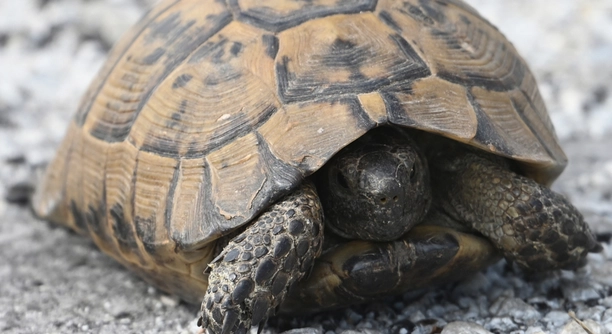
Bathing a Greek tortoise is a delicate process that requires care to ensure its safety and well-being. With the right techniques, it can be a beneficial experience for your pet. Learn how to bathe your tortoise safely and effectively.
Bathing a Greek tortoise involves using lukewarm water and providing a shallow bath to prevent drowning. Never leave your tortoise unattended during the bath, and always ensure the water level is appropriate for the size of your pet to avoid stress or injury.
Understanding these steps can help ensure a safe and comfortable bathing experience for your Greek tortoise.
Prepare the Bathing Area
When preparing to bathe your Greek tortoise, the first step is setting up a clean and safe space. Use a shallow dish or a small basin that is large enough for your tortoise to move around in but not too deep. The water should be lukewarm, as tortoises are sensitive to temperature extremes. A bath that is too hot or too cold can cause stress, so check the water with your wrist to ensure it is comfortable. Avoid using soap, as this can irritate their skin and shell. Always clean the basin thoroughly before use to remove any chemicals or residues that could harm your pet.
You should always supervise your tortoise during its bath. The water should never reach a height where the tortoise is unable to get its head above the surface. Keeping the bath short, around 10-15 minutes, helps prevent unnecessary stress and ensures your tortoise doesn’t get too cold. This will also encourage your pet to drink water, which helps with hydration.
After the bath, gently dry your tortoise with a soft towel. Ensure it has a warm, dry area to rest afterward. This step is essential to prevent any health issues like shell rot.
Check Water Quality Regularly
Regularly check the water’s cleanliness to avoid harmful bacteria growth. Always replace the water if it appears dirty.
Keep the Water Shallow
The water level should be just deep enough to cover the tortoise’s legs. Too much water can lead to stress or accidental drowning. A shallow bath allows the tortoise to easily move around and get its head out of the water.
It’s important to monitor the water’s depth to ensure it doesn’t rise over your tortoise’s shell. The ideal water level should only reach up to the animal’s legs. Tortoises are not natural swimmers, so providing them with enough space to move without feeling overwhelmed is key. In addition, shallow baths also help your tortoise feel safe and secure. Avoid using a container that is too deep or narrow, as it can increase the risk of the tortoise becoming stuck.
By maintaining a shallow water level, you reduce the chances of your tortoise getting anxious or upset during the bath. This makes the experience more beneficial for both you and your pet. Your tortoise will feel more comfortable, and bathing becomes a calming process rather than a stressful one.
Monitor Temperature Closely
Bathing water should never be too hot or cold. Check the water temperature regularly to ensure it stays within the comfortable range.
Use Lukewarm Water
Water temperature is crucial when bathing a Greek tortoise. Lukewarm water, about 80 to 85°F (27 to 29°C), is ideal. Cold water can cause stress, while hot water can harm your tortoise’s sensitive skin.
Before placing your tortoise in the water, check the temperature by dipping your wrist into it. This ensures the water is comfortable. If the water feels too cold or hot to you, it will be the same for your pet. A proper temperature helps maintain your tortoise’s well-being during the bath.
Limit Bath Time
Keeping bath time short reduces stress on your tortoise. Aim for around 10-15 minutes, ensuring they don’t become too cold.
FAQ
How often should I bathe my Greek tortoise?
Bathing frequency depends on the individual tortoise and its environment. Generally, Greek tortoises benefit from a bath once or twice a week to maintain hydration. However, if your tortoise is kept in a dry environment or shows signs of dehydration, more frequent baths may be necessary. Always observe your tortoise for signs of stress or dehydration, such as dry skin or reduced activity, which may indicate the need for more regular bathing. On the other hand, overbathing can lead to skin issues, so finding a balance is key.
Can I use soap when bathing my Greek tortoise?
No, it’s important not to use soap or any cleaning products when bathing your tortoise. Soap can irritate their skin and may cause health issues. The best practice is to fill the bath with just lukewarm water. Clean the bathing container thoroughly before each use to ensure there is no residue left behind. Tortoises have sensitive skin, and even mild soaps can affect their natural oils, which are essential for their health. Stick to plain water for a safe and effective bath.
What should I do if my tortoise doesn’t like baths?
If your Greek tortoise resists bath time, try to make it a more comfortable experience. Ensure the water temperature is ideal, as cold or hot water may cause discomfort. You can also try placing your tortoise in the bath for a shorter amount of time, gradually increasing the duration as they become more accustomed to it. Avoid forcing your tortoise into the water, as this will only cause stress. Instead, create a calm environment, and let them explore the bath at their own pace.
Can I bathe my Greek tortoise in the sink or a tub?
While it’s possible to bathe a tortoise in the sink or bathtub, using a shallow, secure container is safer. The larger surface area of sinks or tubs can cause your tortoise to feel overwhelmed, and the risk of slipping or drowning increases. A small basin or dish with shallow water is best, as it allows your tortoise to move around comfortably while preventing the water from rising too high. Always supervise them during bath time, regardless of where they are placed.
Is it okay to let my Greek tortoise roam after a bath?
After a bath, it’s essential to dry your tortoise thoroughly with a soft towel to prevent them from getting cold. Once they are dry, you can let them roam around. Allowing your tortoise some time outside of the bath encourages them to explore and bask in warm areas, which helps with digestion and overall health. However, avoid placing them in direct sunlight immediately after a bath if they are still damp, as this can cause them to overheat. Make sure their environment is warm and dry before they start exploring.
Should I bathe my Greek tortoise in warm water?
Yes, warm water is ideal for Greek tortoises. The water should be lukewarm, around 80 to 85°F (27 to 29°C), to ensure your tortoise feels comfortable. Water that’s too hot or too cold can cause stress and discomfort, so always test it with your wrist before placing your tortoise in. Warm water helps encourage hydration and promotes bowel movements, which is important for their health. Make sure the water doesn’t reach their neck or head, and never leave them unattended in the water.
Can I bathe my tortoise every day?
Bathing your Greek tortoise every day is not necessary and can lead to skin problems if done excessively. Overbathing can strip away essential oils from their skin, making it dry and more susceptible to infections. Typically, once or twice a week is sufficient for keeping your tortoise hydrated and clean. However, if your tortoise is in a particularly dry environment, you may need to adjust the frequency. Always watch for signs of dehydration or discomfort, which may indicate the need for more regular baths.
Can I bathe my Greek tortoise with other pets?
It’s not advisable to bathe your tortoise with other pets, especially if the other animals are not familiar with each other. Tortoises can be territorial and may get stressed if placed with other species. Additionally, different pets may carry bacteria or parasites that could harm your tortoise. It’s best to give your tortoise individual attention during bath time to ensure their safety and comfort. Keep other pets separate to avoid any risk of injury or contamination.
Why is my Greek tortoise not drinking water after a bath?
If your Greek tortoise is not drinking water after a bath, it may be because they don’t feel thirsty at that moment. Tortoises are not always motivated to drink right after bathing, especially if they have been hydrated through their food or their environment is humid enough. However, some tortoises may drink during or after their bath, which is why providing water in their enclosure is important. Make sure your tortoise has access to fresh, clean water at all times, as it’s crucial for hydration.
Final Thoughts
Bathing a Greek tortoise is an important part of their care routine, but it should be done with attention to detail. The right water temperature, depth, and frequency all play a role in ensuring the tortoise stays healthy and comfortable. Tortoises are not aquatic animals, so the bath should be short and shallow, just enough for them to move around. Avoid forcing them into the water, as stress can cause health problems. It’s always best to make the bath a calming experience for your pet. A relaxed tortoise is more likely to benefit from the hydration and cleanliness a bath provides.
Monitoring your tortoise’s behavior and physical condition is crucial to determine how often they need a bath. Some tortoises may need baths more frequently, especially if they live in dry environments that might cause dehydration. In contrast, others may only require a bath once a week. Consistent observation helps you tailor your care routine and ensures your tortoise stays hydrated. You also want to be mindful of the water temperature. Lukewarm water at around 80 to 85°F (27 to 29°C) is the best for keeping your tortoise calm and comfortable. Cold water or hot water can cause stress and lead to health complications, so it’s vital to avoid extremes.
Ultimately, bathing should be a safe, gentle process that provides your tortoise with the hydration they need. After a bath, make sure to dry them off with a soft towel to prevent them from getting too cold. Once dry, they can return to their enclosure to roam freely. Bathing can also be a good opportunity to check on your tortoise’s health, as it allows you to spot any issues like skin conditions or dehydration. With proper care, regular baths will help your tortoise thrive in a healthy, comfortable environment.

Hello,
If you enjoy the content that we create, please consider saying a "Thank You!" by leaving a tip.
Every little bit helps us continue crafting quality advice that supports the health, happiness, and well-being of pets around the world, for pets of all shapes, sizes, and species.
We really appreciate the kindness and support that you show us!