
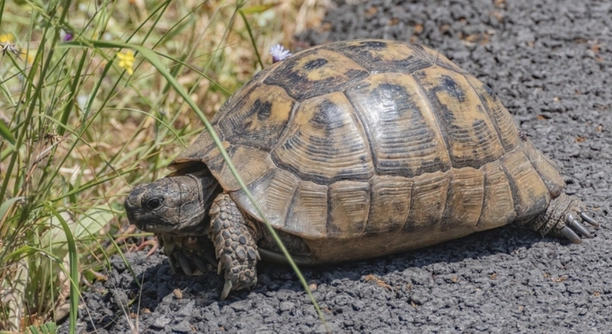
Greek tortoises are fascinating pets, but when they start climbing walls, it can be a bit concerning. Understanding why this behavior happens can help you ensure your tortoise is happy and healthy.
The primary reason why your Greek tortoise may be climbing walls is due to stress, a need for more space, or environmental factors such as improper temperature or humidity. These tortoises may also be trying to escape or seeking attention.
The good news is, addressing the root causes of wall climbing is often simple. By tweaking their environment and routine, you can help your tortoise feel more comfortable and secure.
Stress and Anxiety in Greek Tortoises
Stress is one of the most common reasons for climbing behavior in Greek tortoises. They can become anxious due to changes in their environment, handling, or even unfamiliar sounds and sights. Stress can lead to unwanted behaviors like climbing, pacing, or trying to escape their habitat.
When a tortoise is stressed, it can feel trapped and desperate to get out. Creating a calm, quiet environment can help alleviate some of these feelings. Avoid moving their enclosure too often, and give them a peaceful space with minimal disturbances.
It’s important to pay attention to your tortoise’s daily routine. A stable environment with familiar sights and sounds will make a big difference. Ensuring that they feel safe and secure in their habitat is key to reducing stress and avoiding climbing. Keep their space calm, clean, and well-maintained for the best results.
Space and Size of the Enclosure
One reason your Greek tortoise may be climbing walls is that they feel the enclosure is too small. Tortoises need enough space to roam, explore, and exercise.
If they don’t have enough room, they may begin trying to escape or climb as a sign of frustration. It’s crucial to provide them with an appropriately sized enclosure that offers enough space for movement. The larger the space, the more comfortable and settled your tortoise will feel, reducing the need for climbing.
A spacious enclosure also allows you to place different elements like hiding spots, basking areas, and food dishes. This helps keep your tortoise mentally and physically stimulated, further preventing climbing behaviors. Adjusting the size of their living space is often an easy fix that can lead to significant improvements in their behavior.
Temperature and Humidity Levels
Improper temperature and humidity can cause your Greek tortoise to feel uncomfortable, which might lead to climbing. Tortoises require specific conditions to thrive, and failure to meet these needs can cause stress.
If the temperature or humidity levels are off, your tortoise might search for a more comfortable area. Ensure their enclosure has a proper heat gradient, with a warm basking spot and a cooler area for them to retreat to. Also, maintaining the correct humidity will prevent them from becoming dehydrated, which can lead to erratic behavior, like climbing.
Monitor the humidity closely and adjust it if necessary. Use a thermometer and humidity gauge to track conditions and make sure they remain stable. A consistent, comfortable environment will allow your tortoise to settle in and reduce the chances of climbing behavior. Make any needed changes as soon as you notice fluctuations.
Boredom and Lack of Stimulation
A tortoise that lacks mental and physical stimulation may turn to climbing as a way to pass time. Greek tortoises are curious animals that enjoy exploring and engaging with their surroundings.
Without enough to do, they can become restless. Introducing toys, obstacles, and new elements into their environment can keep them occupied and reduce climbing. Simple changes, like adding hiding spots, rocks, or new textures for them to explore, will help. Tortoises need both mental and physical stimulation to stay healthy and content.
Another way to keep them entertained is by giving them time outside their enclosure, if safe to do so. Offering a larger area to roam will allow them to burn off energy, which will decrease their desire to climb. By keeping them busy, you can reduce the stress that often leads to climbing behaviors.
Inadequate Lighting
Proper lighting is essential for your Greek tortoise’s health. If the light in their enclosure isn’t bright enough, it may lead to climbing behaviors. Tortoises rely on UVB light for their health, which affects their ability to absorb calcium and stay active.
If the lighting is insufficient, your tortoise might try to move around more in search of a better spot. Ensure you use UVB bulbs designed specifically for reptiles, and place them within the recommended distance from your tortoise. This will provide the necessary light for them to stay active, happy, and healthy.
Ensure the light is on for 10–12 hours a day to simulate natural conditions. Without enough UVB exposure, your tortoise might become sluggish, stressed, or start climbing in search of sunlight. The right lighting plays a major role in their well-being.
Health Issues
Sometimes, climbing can be linked to underlying health problems. Illness or discomfort can make your tortoise restless, leading to unusual behavior like climbing walls.
If you notice other signs of illness, like changes in eating habits, lethargy, or shell abnormalities, it’s important to seek veterinary advice. Addressing health concerns promptly will ensure your tortoise stays happy and comfortable.
FAQ
Why is my Greek tortoise climbing the walls of its enclosure?
There are a few reasons your Greek tortoise might climb the walls. Stress, insufficient space, improper temperature or humidity, boredom, and inadequate lighting are common causes. If your tortoise feels uncomfortable or trapped, it may attempt to climb out. It’s important to make sure their environment meets all of their physical and emotional needs, like the right temperature gradient, a spacious enclosure, and enough stimulation.
How can I reduce my tortoise’s stress levels?
To reduce stress, create a peaceful, quiet environment for your tortoise. Avoid frequent handling, especially if your tortoise is not used to it, as this can cause anxiety. Make sure their habitat has familiar sights, sounds, and scents. Regularly clean their enclosure to maintain a safe and comfortable space. Also, try to keep their routine consistent, including feeding times and the placement of items within their enclosure.
What size enclosure is best for a Greek tortoise?
Greek tortoises need space to roam, so a larger enclosure is always better. Ideally, the enclosure should be at least 4 feet long and 2 feet wide for a single tortoise, though bigger is always better. If you keep multiple tortoises, make sure to increase the size accordingly. A larger space allows them to move freely, explore, and exercise, which can help prevent climbing behaviors.
How can I make my tortoise feel more comfortable in its enclosure?
Start by ensuring your tortoise has the right environmental conditions. Check that the temperature and humidity are within the recommended ranges. Include a hiding spot and several surfaces for climbing, like rocks or logs, which can give them a variety of textures to explore. Adding plants or areas for them to dig will also help mimic their natural environment. Make sure your tortoise has access to clean food and water at all times.
Is my tortoise climbing because it is bored?
Yes, boredom can definitely lead to climbing behavior. Greek tortoises are curious creatures and need stimulation to stay happy. If your tortoise isn’t getting enough exercise or mental stimulation, climbing can become an outlet for that pent-up energy. Try adding toys, obstacles, or new elements to the enclosure to keep them engaged. Offering outdoor time when safe can also help.
How often should I handle my Greek tortoise?
Handling your Greek tortoise should be done in moderation. Over-handling can cause stress, so it’s best to only interact with them when necessary. A few short sessions per week should be sufficient. Make sure you’re gentle and avoid sudden movements that could startle them. Handling them too much can also disrupt their routine and make them feel unsafe.
Can I place my tortoise outside?
Yes, you can place your Greek tortoise outside, but only if the weather is appropriate. The outdoor space should be secure, free from predators, and offer areas for your tortoise to hide or retreat to. Make sure to monitor their time outside and bring them back in if the temperature gets too hot or cold. Outdoor exercise can help keep your tortoise mentally and physically stimulated, reducing stress and climbing behavior.
What can I do if my tortoise keeps trying to escape its enclosure?
If your tortoise is attempting to escape, it’s a sign that something in their environment is off. It could be stress, lack of space, or unsuitable conditions. Double-check the temperature, humidity, and enclosure size to ensure they meet your tortoise’s needs. If the enclosure is too small or uncomfortable, consider upgrading to a larger one. Additionally, add enrichment items to keep them occupied and reduce the desire to escape.
How can I make sure the lighting is correct for my tortoise?
Proper lighting is essential for your tortoise’s health. Use a UVB bulb specifically designed for reptiles, as this will help them absorb calcium and stay active. Place the bulb at the correct distance from your tortoise, typically around 12–18 inches, depending on the bulb type. Keep the light on for about 10–12 hours a day to simulate a natural day/night cycle. Make sure the enclosure also includes areas with different temperatures, including a basking spot under the UVB light.
Why does my Greek tortoise seem lethargic and climb more?
Lethargy in a tortoise, combined with climbing behavior, could indicate underlying health issues or environmental problems. If your tortoise is inactive and constantly climbing, check for signs of illness, such as changes in appetite, shell abnormalities, or respiratory issues. Make sure the enclosure’s temperature, humidity, and lighting are within the correct ranges. If the problem persists, it’s a good idea to consult a veterinarian to rule out any health concerns.
What are the signs that my tortoise is stressed?
Stressed tortoises may exhibit various behaviors, such as climbing, pacing, excessive hiding, or becoming aggressive. Other signs include reduced appetite, shell discoloration, or lethargy. Stress can also cause digestive issues, like constipation or diarrhea. If you notice these signs, it’s crucial to address any environmental issues, such as temperature, humidity, or handling, to help your tortoise feel more secure.
Final Thoughts
Understanding why your Greek tortoise climbs the walls of its enclosure is important for both its well-being and your peace of mind. As with many animals, climbing can be a sign of stress or discomfort. It’s essential to look at the environment your tortoise lives in and make adjustments if necessary. Whether it’s improving their habitat, reducing stress, or offering more space, small changes can make a big difference in their behavior.
By ensuring your tortoise’s temperature, humidity, and lighting are correct, you can address many of the common reasons for climbing. Greek tortoises thrive in stable environments where they feel safe. If these environmental factors are not optimal, it could cause your tortoise to act out, including climbing. Providing a spacious enclosure with enrichment items and a consistent routine will also help keep your tortoise mentally and physically stimulated, reducing climbing behaviors.
Ultimately, taking the time to observe and understand your tortoise’s needs will lead to a happier and healthier pet. If the climbing continues despite changes in the environment, it might be helpful to consult a veterinarian. A professional can ensure there are no underlying health issues causing the behavior. By being proactive and addressing the possible causes of climbing, you can create a better living situation for your Greek tortoise, allowing it to thrive in its home.

Hello,
If you enjoy the content that we create, please consider saying a "Thank You!" by leaving a tip.
Every little bit helps us continue crafting quality advice that supports the health, happiness, and well-being of pets around the world, for pets of all shapes, sizes, and species.
We really appreciate the kindness and support that you show us!