
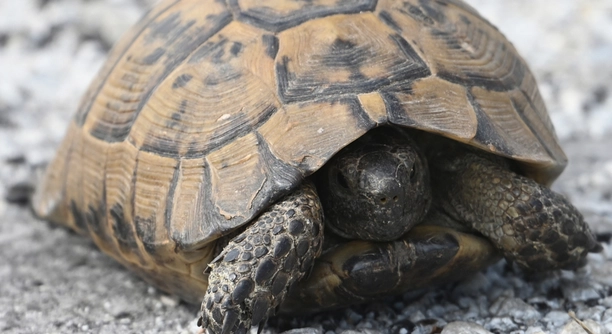
Creating a proper outdoor habitat for Greek tortoises is essential for their health and well-being. The right environment allows them to thrive, providing the warmth, shelter, and space they need to be happy and active.
To create the perfect outdoor habitat for Greek tortoises, you’ll need to provide a spacious enclosure with safe fencing, natural sunlight, appropriate temperature control, a variety of plants for grazing, and places for hiding. Water should also be available for drinking and bathing.
These steps are simple but crucial for giving your tortoise the best life possible. You’ll be guided through each stage, helping you set up an ideal outdoor home.
Choose the Right Space for Your Greek Tortoise Habitat
Choosing the right location is the first step in creating a comfortable outdoor habitat for your Greek tortoise. You’ll need a spot that gets plenty of sunlight but also offers some shade for the warmer hours of the day. A safe, secure area that’s free from predators is essential. Make sure there are no plants or flowers that could be toxic to your tortoise. A flat, open space is ideal, with enough room for your tortoise to roam and explore. This space should be large enough to allow your pet to move around without feeling restricted. You can also consider placing the habitat in a quiet part of your yard, away from heavy foot traffic or noise.
Once you’ve identified a good location, make sure it’s easily accessible for you to clean and maintain. This space should be away from potential hazards such as harsh winds or flooding. Avoid places where the enclosure might get too wet, as damp conditions can lead to health issues.
The area needs to be enclosed to prevent escape. Fencing should be sturdy and tall enough that your tortoise can’t climb over or burrow under it. It’s also helpful to secure the bottom of the fence into the ground to keep your tortoise safe and contained.
Temperature Control for Your Tortoise Habitat
Greek tortoises require warmth to stay healthy. Proper temperature control is key. Make sure the habitat has a warm area and cooler areas for them to regulate their body temperature naturally. Using a basking lamp is ideal for creating a warm spot, while shaded areas provide relief from the heat.
Provide Adequate Shelter for Protection
Shelter is essential in any tortoise habitat. It provides a safe spot for your tortoise to hide from extreme weather and potential predators. A small wooden or plastic box can work as a shelter, but it needs to be big enough for your tortoise to enter and turn around easily. Place the shelter in a shaded area of the habitat to offer some coolness during hot days.
Ensure that the shelter is insulated and durable. During colder months, it can help retain warmth, which is crucial for Greek tortoises, as they are sensitive to cold temperatures. Adding dry straw or leaves inside can make it more comfortable and inviting. The shelter should be cleaned regularly to avoid any buildup of moisture or pests.
Tortoises love to have a place to retreat to when they feel the need to rest or sleep. It’s important that they have this quiet space to feel secure. Check that the shelter is waterproof and offers protection from rain, wind, and direct sun. A simple, effective shelter is key to their well-being.
Plant Life for Grazing and Enjoyment
A variety of plants are a must in your tortoise habitat. Greek tortoises love to graze, and plants are an important part of their diet. Use safe, non-toxic plants like dandelions, clover, and grasses. Avoid plants that might be harmful or poisonous.
You can mix these plants with other safe foliage that will allow your tortoise to forage naturally. It’s good to have both leafy plants and flowers that bloom during different seasons. This will give them variety in their diet and encourage them to explore their surroundings. Additionally, planting low-growing bushes or herbs can provide them with cover and a more natural environment. The plants should be carefully selected and maintained to ensure they’re safe to eat. Keep an eye on plant health and remove any that become too invasive or harmful over time. Regularly refresh the area with new plantings to keep things interesting for your tortoise.
Provide a Water Source
Water is essential for your Greek tortoise’s hydration and overall health. Always have a shallow, clean water dish available for drinking. Make sure it’s large enough for them to soak in if they wish. Change the water daily to keep it fresh and clean.
Keep the water dish in a safe spot where it won’t tip over easily. You can place it near their shelter or somewhere within easy reach. Avoid putting it in direct sunlight, as it can heat up quickly and make the water too warm. A steady water supply is crucial.
Secure the Habitat
Your tortoise’s habitat must be secure. Fencing should be high enough and deep enough to prevent escapes. Tortoises can dig under or climb over low barriers. Make sure the perimeter is completely enclosed and check for weak spots regularly.
Secure the habitat with durable materials that can withstand outdoor conditions.
FAQ
How big should the habitat be for a Greek tortoise?
The habitat for a Greek tortoise should be at least 10 square feet per tortoise. Larger is always better, as tortoises love to roam. If you have multiple tortoises, you’ll need even more space. Ideally, a 20-30 square foot area would be perfect for two tortoises. Providing a larger area allows them to explore and exercise, which is essential for their health. It’s important that the enclosure is both spacious and safe, with a secure perimeter to prevent escapes.
Can Greek tortoises live outside year-round?
Greek tortoises can live outside year-round in temperate climates where the temperature doesn’t drop below 50°F (10°C). If you live in an area with harsh winters, you’ll need to bring them inside during the colder months or provide heating elements to maintain a warm environment. If the temperature gets too low, your tortoise could go into hibernation, which might be unsafe if not managed properly. During the summer months, they can safely stay outside as long as they have access to shade, water, and a secure shelter.
What type of food should I provide for my Greek tortoise?
Greek tortoises are herbivores and enjoy a variety of greens, flowers, and grasses. Offer them leafy vegetables like dandelion greens, collard greens, and mustard greens. Safe flowers such as hibiscus and marigolds can also be added to their diet. It’s important to avoid feeding them fruit regularly, as too much sugar can lead to health issues. Avoid any toxic plants, such as lilies or foxglove, and stick to plants that are safe and natural for them to graze on.
How do I maintain the habitat for my Greek tortoise?
Maintaining a Greek tortoise habitat is relatively simple. You’ll need to regularly clean the shelter and remove any waste, dead plants, or debris. Make sure the water dish is always clean, and change the water daily to avoid any buildup of bacteria. Also, check the plants and replace any that die or become unhealthy. The fencing should be inspected regularly to ensure it remains secure and in good condition. Keep the temperature in check by monitoring it, especially if you’re using a basking lamp or heat source.
Can Greek tortoises climb or dig out of their enclosures?
Yes, Greek tortoises can both climb and dig. They are excellent diggers and can tunnel under fencing if it’s not secured properly. To prevent escapes, bury the bottom of the fence at least 6 inches deep into the ground. This will help stop them from digging out. Additionally, make sure the fence is tall enough that they can’t climb over it, ideally 18-24 inches high. Regularly check the enclosure for any signs of digging or climbing.
What do I do if my Greek tortoise stops eating?
If your Greek tortoise stops eating, there could be several reasons. It could be due to stress, temperature changes, or a medical issue. First, check the temperature and humidity levels in their habitat to ensure they’re in the optimal range. If the environment is too cold or too hot, they may lose their appetite. If the habitat conditions are fine and your tortoise is still not eating, consult with a vet to rule out any health problems. Tortoises may also stop eating if they’re stressed by too much handling or a change in their surroundings.
How can I encourage my Greek tortoise to exercise?
Greek tortoises need exercise to stay healthy, and they often get it naturally by exploring their habitat. Providing a spacious enclosure with obstacles like rocks or logs for climbing can encourage them to move around more. You can also create different areas within the habitat, such as a basking zone and a shaded area, to get them to roam more. Avoid overcrowding the enclosure, as a tortoise that feels too restricted may not be as active. Regularly moving their food around can also encourage them to explore and forage for their meals.
Is it necessary to hibernate a Greek tortoise?
Hibernation is not strictly necessary for a Greek tortoise, but it is a natural process for them. If your tortoise is in a region where the temperature drops significantly in the winter, it may naturally enter a period of dormancy. If you’re planning to allow your tortoise to hibernate, it’s important to ensure it’s healthy and well-prepared for the process. Your tortoise should be well-fed and hydrated before entering hibernation, and the temperatures should be monitored carefully to avoid freezing. Not all tortoises will hibernate, especially if kept indoors in warmer environments, but it is a part of their natural behavior.
Can Greek tortoises live with other animals?
Greek tortoises can be kept with other tortoises of the same species, but mixing different species is not recommended due to differences in dietary needs and behavior. As for living with other pets, such as dogs or cats, it’s better to keep them separate. Dogs and cats may be curious or even aggressive towards the tortoise, which can cause stress or harm. It’s best to provide a secure habitat that’s separate from other animals, especially if the other pets have not been trained to respect the tortoise’s space.
What should I do if my Greek tortoise is sick?
If you notice signs of illness in your tortoise, such as a lack of appetite, lethargy, or unusual behavior, it’s important to consult a vet experienced with reptiles. Illnesses in tortoises can be difficult to spot early, so keeping an eye on their eating habits and general behavior is essential. Make sure the habitat conditions are ideal, as improper temperatures or humidity can contribute to health problems. Don’t wait too long to seek professional help if you suspect something is wrong.
Creating the perfect outdoor habitat for your Greek tortoise requires attention to detail and commitment. It’s not just about providing a fenced-in space; it’s about making sure the environment is as natural and comfortable as possible. Ensuring proper temperature, access to food and water, and providing a safe shelter are all key to helping your tortoise thrive. The space you offer should mimic their natural habitat, giving them the chance to forage, hide, and bask in the sun, which are essential behaviors for their well-being.
Regular maintenance and monitoring of the habitat are also important. It’s not just about setting everything up once and leaving it. You’ll need to check the plants, replace any damaged or dead foliage, and make sure the enclosure is secure and safe from predators. Cleaning the water dish and removing any waste is part of keeping the habitat hygienic. If you’re providing heat lamps or additional heating elements, ensure that they’re functioning correctly and the temperature stays consistent. Small adjustments along the way will help keep your tortoise healthy and happy.
Overall, creating a perfect outdoor habitat for a Greek tortoise is a manageable task if you follow the basic steps and guidelines. By providing a spacious and secure environment, you’ll help your tortoise live a healthier and more enjoyable life. Pay attention to the little details like plant types, water access, and the temperature, and always be prepared to make changes as your tortoise grows and its needs evolve. With the right care and attention, your tortoise can enjoy a long, comfortable life in its outdoor habitat.

Hello,
If you enjoy the content that we create, please consider saying a "Thank You!" by leaving a tip.
Every little bit helps us continue crafting quality advice that supports the health, happiness, and well-being of pets around the world, for pets of all shapes, sizes, and species.
We really appreciate the kindness and support that you show us!