
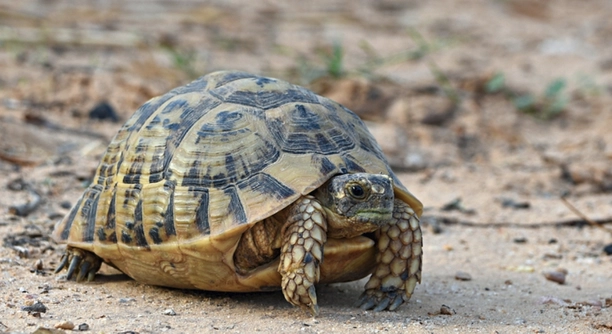
Greek tortoises are small, fascinating creatures that can make wonderful pets. Their unique personalities and gentle nature can bring joy to any home. If you are considering a pet, they might just be the perfect choice for you.
Greek tortoises are great pets due to their manageable size, low maintenance needs, and long lifespan. They are known for their calm temperament, easy care requirements, and ability to thrive in both indoor and outdoor environments.
These tortoises are not only easy to care for, but they can also be a source of endless joy. With proper care, they will be happy companions for many years.
Easy to Care For
Greek tortoises are known for being low-maintenance pets, making them an ideal choice for beginners or those with busy schedules. They don’t require daily feeding or constant attention, which is a huge advantage. They mainly need a clean enclosure with enough space to roam and a balanced diet of vegetables, fruits, and occasional protein. These tortoises also don’t require frequent baths like some other reptiles, but they do benefit from regular hydration.
While the setup may require some initial investment, such as a proper tank, UV lighting, and heating elements, maintaining a Greek tortoise’s habitat is fairly simple. Once their living conditions are right, they are content with minimal interaction.
Their resilience and ability to adapt to various environments also make them relatively easy to keep healthy. As long as their basic needs are met, Greek tortoises can thrive with very little effort, giving you plenty of time to enjoy their company.
Long Lifespan
Greek tortoises can live for decades with proper care. Their long lifespan means they are not a short-term commitment.
A Greek tortoise can live up to 50 years or more, so choosing one as a pet means you will likely have a companion for much of your life. This is a huge benefit, especially for families looking for a pet that will grow with their children. However, this also means you must be prepared for long-term responsibility, from their diet to their living conditions.
A well-maintained Greek tortoise can stay active and healthy for many years. Their longevity also means that once you establish a bond, you’ll be able to enjoy their presence for a significant amount of time. Whether you pass them on to the next generation or continue caring for them into their later years, the connection will last.
Compact Size
Greek tortoises are small, which makes them easier to accommodate in a variety of living spaces. Their manageable size allows them to thrive in relatively smaller enclosures compared to other larger reptile species.
Their compact size also makes them ideal for those with limited space. Whether you live in an apartment or a house with a smaller backyard, a Greek tortoise won’t need a massive area to be happy. They can be kept indoors, and many owners even set up outdoor enclosures during warmer months.
Even though they are small, they do need plenty of room to roam and explore. Providing a spacious environment allows them to stay healthy and active, but their smaller size means that they can be more easily accommodated than larger reptiles like iguanas or snakes. Despite being small, they still require a stimulating environment, with hiding spots and a variety of textures to crawl over.
Calm Temperament
Greek tortoises are peaceful and non-aggressive creatures, making them great pets for a relaxed home environment. They are not prone to biting or other behaviors that might cause harm to their owners.
Their calm nature means they are less likely to stress out, even when handled. While they may be slow-moving, they are curious and enjoy exploring their surroundings at their own pace. As a result, they tend to be very easy to interact with.
This peaceful temperament also means they get along well with other pets, such as small mammals or reptiles. If you have other animals at home, a Greek tortoise is likely to fit in well. They can live in shared spaces without causing any significant issues, provided their basic needs are met.
Low Maintenance Diet
Greek tortoises don’t require a complicated or expensive diet, which is another reason they make great pets. Their diet consists mainly of leafy greens, vegetables, and some fruits. These tortoises are herbivores, so their meals are relatively simple to prepare.
You don’t need to worry about feeding them special diets or supplements every day. In fact, they thrive on a variety of greens like dandelion, collard greens, and kale. Fruits, like strawberries and apples, can be given as occasional treats. It’s essential to avoid giving them too much fruit, as it’s high in sugar.
One important aspect of their diet is ensuring they get enough calcium for shell and bone health. Providing calcium supplements, like cuttlebone or crushed eggshells, ensures their growth remains strong. Their low-maintenance eating habits make them less time-consuming compared to other exotic pets that need more complex diets.
Adaptable to Various Environments
Greek tortoises are incredibly adaptable, thriving both indoors and outdoors. With the right care, they can comfortably adjust to changes in temperature and habitat.
When kept indoors, they require an appropriate tank with a heat source and UV lighting. Outdoors, they can live in a well-secured garden with proper shade, heating, and space to roam. This adaptability makes them suitable for different living environments, as long as the essentials are provided.
Their ability to adjust to varying temperatures is another strength. In colder climates, they can be kept indoors during winter. In warmer weather, they can safely explore outdoor enclosures or gardens, as long as the area is secure and free of predators.
Gentle and Quiet Nature
Unlike many other pets, Greek tortoises are very quiet, making them perfect for those who prefer a calm home environment. They are peaceful and won’t disturb the household with loud noises or demands for constant attention.
Their calm, silent behavior is especially beneficial in shared living spaces, such as apartments or houses with multiple occupants. They don’t bark, chirp, or make sounds that might cause annoyance. Instead, they move at their own pace and quietly enjoy their surroundings.
This quiet nature means they won’t cause unnecessary stress for their owners or other pets. Their gentle demeanor makes them particularly easy to care for and interact with, which is a welcome quality for anyone seeking a peaceful pet experience.
Easy to Handle
Greek tortoises are calm and docile, making them easy to handle. Unlike other reptiles, they do not easily become stressed when picked up, which makes interacting with them pleasant and simple.
Handling them gently is all they require. They are not known for biting or showing aggressive behavior, so they can be comfortably held for short periods. Just be sure to support their bodies properly to ensure they feel secure.
Their easygoing nature makes them a good choice for those who want a pet that doesn’t require constant supervision while interacting. As long as their environment remains stable, they will happily tolerate being handled.
Minimal Grooming
Greek tortoises don’t need much grooming, which makes them a low-maintenance pet in that regard.
Their main grooming need is to ensure their shell stays clean. If kept in an indoor habitat, their enclosure should be cleaned regularly to avoid waste buildup. This will help prevent any potential shell rot. Additionally, checking for parasites on occasion is important for their overall health.
Aside from these few tasks, there is little else required to keep them healthy and comfortable. Their self-cleaning habits make them one of the easier reptiles to care for in terms of grooming.
Affordable Care
The cost of owning a Greek tortoise is relatively low compared to many other pets. Once you’ve set up their habitat, their ongoing needs are minimal and affordable.
Their diet mainly consists of inexpensive leafy greens, fruits, and vegetables, and their medical needs are limited. Regular veterinary checkups are recommended but typically infrequent unless an issue arises. You won’t have to worry about costly pet supplies or specialty foods for them.
Overall, the cost of keeping a Greek tortoise is manageable for most people. Their simple diet and low medical requirements make them an affordable and low-maintenance choice for pet owners.
FAQ
How big do Greek tortoises get?
Greek tortoises typically grow to be about 6 to 10 inches long. Males are generally smaller than females, with males usually reaching 6 to 8 inches, while females can grow to 8 to 10 inches in length. Their size makes them easy to accommodate in smaller enclosures compared to larger tortoise species.
What do Greek tortoises eat?
Greek tortoises are herbivores and primarily eat leafy greens, flowers, and vegetables. Foods like dandelion greens, clover, kale, and collard greens are ideal. Fruits like strawberries and apples can be offered as occasional treats. Avoid feeding them high-sugar fruits or processed foods. Make sure they have a consistent supply of calcium for healthy bones and shell development, either through food or supplements.
How long do Greek tortoises live?
Greek tortoises have long lifespans, often living for 50 years or more in captivity. With proper care, they can remain healthy and active throughout their long life. Their longevity is one of the reasons they make such great pets, though it’s important to be prepared for the long-term responsibility that comes with their care.
Do Greek tortoises need a special habitat?
Yes, Greek tortoises need a suitable habitat to thrive. Indoors, they require a well-lit enclosure with a heat source to mimic natural sunlight. A UVB bulb is essential for their health, as it helps them process calcium. Outdoor enclosures are also a great option, as long as they are safe from predators and have areas to hide. Ensure the space has both sunny and shaded spots to regulate body temperature.
Can Greek tortoises live with other pets?
Greek tortoises can live alongside other pets, but care should be taken to ensure the other animals don’t pose a threat. Small mammals, like guinea pigs or rabbits, may be fine in some situations, but be cautious with larger pets, especially if they are more energetic or aggressive. Always supervise interactions to ensure no harm comes to the tortoise.
How often do Greek tortoises need to be fed?
Greek tortoises should be fed every day, though they only need small portions. Their diet should mainly consist of leafy greens, vegetables, and a small amount of fruit. Since they have slow metabolisms, they don’t require heavy meals, and overfeeding can lead to obesity. Regular meals will keep them healthy and active.
Do Greek tortoises need to be bathed?
Greek tortoises don’t require regular bathing, but it can be beneficial to provide occasional soaks. This helps them stay hydrated and also supports healthy digestion. A warm water bath for about 15-20 minutes once a week can be enough. Be sure to never force them into water and always supervise.
How do I keep my Greek tortoise healthy?
Maintaining a healthy Greek tortoise involves a few simple steps: provide them with a proper diet, keep their living space clean, ensure they get enough UVB light for calcium absorption, and make sure they have a clean water source at all times. Regular vet checkups, particularly for shell and skin conditions, are also important for long-term health.
Can I take my Greek tortoise outside?
Yes, Greek tortoises can be kept outside in a secure enclosure, provided the temperature is suitable. During the warmer months, they enjoy being outdoors where they can bask in the sun and explore natural environments. Ensure the outdoor space is predator-proof and has both sunny and shaded areas for them to regulate their body temperature. If the weather is too cold, bring them inside.
What temperature do Greek tortoises need?
Greek tortoises thrive in temperatures ranging from 75 to 85 degrees Fahrenheit during the day. At night, they prefer it to be slightly cooler but should not be exposed to temperatures below 50 degrees Fahrenheit. Providing a warm basking spot around 90 degrees is important for them to regulate their body temperature.
Do Greek tortoises hibernate?
Yes, Greek tortoises hibernate in the wild, but not all captives do. In captivity, they may enter a form of brumation, where their activity levels decrease during colder months. If you choose to allow your tortoise to brumate, make sure they are healthy and have the proper environment. If you decide not to brumate, ensure they are kept warm and active during the winter months.
How can I tell if my Greek tortoise is sick?
Signs of illness in a Greek tortoise may include lethargy, loss of appetite, a soft or swollen shell, nasal discharge, or difficulty moving. If you notice any of these symptoms, it’s important to seek veterinary care right away. Regular observation of your tortoise’s behavior and health is key to preventing serious issues.
Greek tortoises make excellent pets for those who are looking for a low-maintenance companion with a long lifespan. Their calm and gentle nature makes them easy to handle, and their quiet behavior means they won’t disturb your home. These tortoises are adaptable, able to live both indoors and outdoors, which adds flexibility to their care. As long as their basic needs are met, they can thrive in a variety of environments, whether in an apartment or a house with a garden.
One of the biggest advantages of owning a Greek tortoise is how easy they are to care for. Their diet consists mainly of leafy greens and vegetables, which are affordable and simple to prepare. They don’t need constant attention, and with the right setup, they are happy to go about their day without much interference. Their low grooming needs and minimal medical requirements also make them a pet that doesn’t demand a lot of time or financial investment. This makes them a good choice for busy individuals or families who want a pet that is both low-maintenance and rewarding to care for.
While Greek tortoises are not for everyone, their easygoing nature, long lifespan, and simple care requirements make them a great option for the right person. However, it’s important to understand that they do require a suitable habitat and a consistent diet to remain healthy. Their long lifespan means they are a long-term commitment, and owning one requires patience and responsibility. If you’re ready to provide the care they need, a Greek tortoise can be a fulfilling and low-stress pet that will provide years of companionship.

Hello,
If you enjoy the content that we create, please consider saying a "Thank You!" by leaving a tip.
Every little bit helps us continue crafting quality advice that supports the health, happiness, and well-being of pets around the world, for pets of all shapes, sizes, and species.
We really appreciate the kindness and support that you show us!