
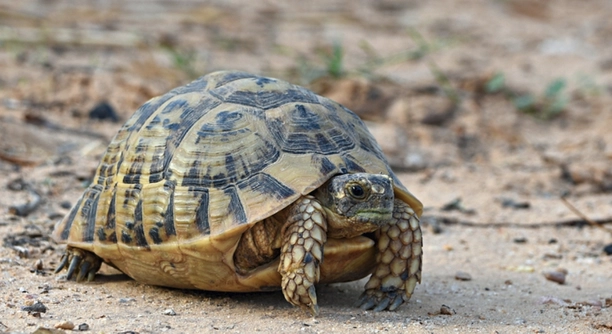
Greek tortoises are fascinating creatures with unique behaviors that often leave their owners wondering about certain habits. One common behavior that may catch your attention is when your tortoise digs only on one side of its enclosure.
The most common reasons why your Greek tortoise digs on only one side of its enclosure include temperature imbalances, substrate conditions, stress, or territorial instincts. This behavior can also be linked to nesting instincts or a preference for a specific environment within the enclosure.
Understanding the causes behind this digging behavior is essential for creating a better habitat for your tortoise. Knowing what might be causing the behavior will help you address the issue effectively.
Temperature Differences
One of the main reasons your Greek tortoise may dig on one side of its enclosure is because of temperature imbalances. Tortoises are cold-blooded and need a warm area to regulate their body temperature. They will often dig to find a cooler spot if they are too warm or to move closer to a heat source if they are too cold. If the temperature is not consistent across the enclosure, your tortoise might choose one side to dig in, depending on its current need for warmth or coolness.
Having a temperature gradient in the enclosure is essential for your tortoise’s health. One side should be warmer, with a basking area at around 90-95°F, and the other should be cooler, ranging from 70-80°F. This setup gives your tortoise the ability to choose the temperature it needs at any given time.
If your tortoise is only digging on one side, check to see if your heat source or cooling system is properly working. Make sure there is a clear temperature difference between both sides. By adjusting your heating setup, you can ensure your tortoise feels comfortable throughout the day.
Substrate Preferences
The type of substrate in your tortoise’s enclosure could be another factor that influences digging behavior. Some substrates, like sand or soil, can feel more comfortable for your tortoise to burrow in. Others, such as rocks or pine bedding, might not feel as natural to them. If your tortoise is digging on one side, it might prefer the material there.
Greek tortoises naturally dig into the ground to find shelter, build a nest, or escape extreme temperatures. A naturalistic substrate like a mixture of soil, sand, and coconut fiber can mimic what your tortoise would experience in the wild, making it more likely to dig in specific areas. Providing a choice of materials or adjusting the depth of the substrate can make a big difference in how your tortoise behaves.
If your tortoise’s digging is focused on one area, consider changing the substrate or adding more variety. Make sure the depth is consistent across the enclosure so your tortoise has plenty of options. This will help keep your tortoise engaged and comfortable.
Stress or Anxiety
Stress is another factor that could lead to your tortoise digging in one particular area. Tortoises, like many other animals, may dig when they feel stressed or unsafe. If there are sudden changes in their environment or loud noises, they may seek out areas they feel are more secure. Digging can be a form of self-soothing or a response to discomfort.
Stress can also be caused by overcrowding in the enclosure or other animals nearby. Greek tortoises are solitary creatures and can become anxious if they feel crowded. Changes in their routine or improper handling can also cause anxiety. When stressed, your tortoise may dig compulsively in an attempt to create a safe, hidden space.
Ensure your tortoise has a quiet, stable environment. Reducing noise and keeping other animals away will help create a calmer atmosphere. If you suspect stress is the issue, it might be worth investigating the source of anxiety and making the necessary changes.
Nesting Behavior
Greek tortoises dig primarily for nesting, especially during breeding season. If your tortoise is a female, it may dig on one side to create a nest for laying eggs. This instinctive behavior can lead to repetitive digging in a specific area, where she feels it’s most suitable for egg deposition.
If your tortoise is digging more frequently during certain times of the year, it’s likely due to hormonal changes that prompt nesting behavior. Female tortoises may not always lay eggs, but the instinct to dig a nest is still very much present. Checking for the presence of eggs or changes in behavior can help determine if nesting is the cause.
You can help by ensuring there is an appropriate nesting area in the enclosure. Providing a deep, loose substrate, like soil or sand, will allow her to dig naturally. If your tortoise does not have a proper nesting spot, she may resort to digging in an area that feels more secure to her.
Territorial Instincts
Greek tortoises can be territorial, and this can affect where they dig. If your tortoise feels the need to claim a certain area, it may dig to mark its space. This instinct is more common in male tortoises, especially during mating season. The digging helps them establish boundaries.
Male tortoises are known to be more territorial, often showing behavior like digging or rubbing their face against the enclosure walls. This behavior serves to mark their area and make it known to other tortoises. It’s possible for a tortoise to focus its digging on one side to define its territory within the enclosure.
To reduce this behavior, you can provide more space or remove any potential stressors. Ensure that your tortoise has plenty of room to roam and that its territory is not being intruded upon by other animals. Keeping the enclosure large enough will help reduce the urge to dig excessively.
Health Issues
Health problems can sometimes cause abnormal digging behavior in tortoises. Conditions like shell rot or parasites can make them uncomfortable, leading them to dig excessively. If your tortoise is digging more than usual and showing signs of lethargy or weight loss, it’s important to investigate further.
A sick tortoise may dig to find a cooler or more comfortable spot, or to escape from discomfort. Common health issues, such as respiratory infections or digestive problems, can also cause them to seek out specific areas within their enclosure. If your tortoise’s digging behavior changes suddenly or is accompanied by other signs of illness, a vet visit is recommended.
Observing your tortoise’s overall behavior and health is crucial. If the digging is linked to health problems, providing a proper habitat and seeking veterinary care can help resolve the issue.
Inadequate Space
Lack of space in the enclosure may cause your Greek tortoise to dig more often. Tortoises need room to roam and explore, and if the enclosure is too small, they may resort to digging to make themselves more comfortable. A cramped environment can lead to increased stress and frustration.
If your tortoise is restricted by a small space, consider upgrading to a larger enclosure. A space that is at least 4 feet long for one tortoise is ideal, allowing enough room for movement and exploration. Giving your tortoise a spacious area will help reduce the need to dig out of boredom or stress.
By expanding the living area, you give your tortoise the freedom it needs to feel secure and comfortable. More space will also make it less likely for your tortoise to dig for reasons related to confinement.
Unnatural Lighting
Unnatural lighting, such as artificial light or inconsistent day-night cycles, may also cause your tortoise to dig. Tortoises depend on natural light to regulate their behavior and biological cycles. If your enclosure’s lighting is not simulating the natural environment, it could disrupt your tortoise’s instincts and routines.
It’s important to ensure that your tortoise gets exposure to natural sunlight or a UVB light source for 12-14 hours each day. A proper day-night cycle will help your tortoise feel more comfortable and act in line with its natural behaviors. If the lighting is artificial or inconsistent, it can lead to stress, making your tortoise more likely to dig.
Maintaining a regular light cycle will help your tortoise regulate its daily activities. Proper lighting encourages natural behavior patterns and reduces anxiety, which can prevent unnecessary digging in the enclosure.
FAQ
Why is my tortoise only digging in one corner of its enclosure?
Tortoises often dig in specific areas because of environmental preferences. It could be due to temperature differences, substrate types, or even a desire to create a specific space for nesting. Sometimes, it’s simply a comfort-related behavior, as tortoises will dig to regulate body temperature or find a cooler or warmer spot. If your tortoise seems to prefer one corner, it might be because that area offers the right combination of conditions, such as heat or moisture. Ensuring the enclosure has a proper temperature gradient and substrate depth across all areas might help balance the behavior.
Is my tortoise digging because it’s stressed?
Yes, stress can cause excessive digging in tortoises. If there are changes in its environment, like loud noises or unfamiliar surroundings, your tortoise may dig as a way to cope. Overcrowding, frequent handling, or even the presence of other animals nearby can lead to stress. Tortoises, especially Greek tortoises, are solitary creatures, and too much interaction or noise can make them anxious. To reduce stress-related digging, make sure the environment is calm, spacious, and quiet. Avoid unnecessary handling and provide a private, secure space for your tortoise to retreat to when it needs rest.
How can I stop my tortoise from digging so much?
To address excessive digging, start by ensuring that your tortoise’s environment is suitable for its needs. A balanced temperature gradient, enough space, and proper lighting are essential. You should also check the substrate—if it’s too loose or deep, it could encourage digging. Providing a varied and enriched environment with places to hide or explore might help distract from constant digging. If nesting behavior is the issue, creating a proper nesting area with appropriate substrate will allow your tortoise to dig in a specific, designated spot instead of the whole enclosure.
Can digging be a sign of illness?
Yes, digging can sometimes indicate health issues, particularly if the behavior changes suddenly or is accompanied by other signs of illness. Parasites, shell rot, or even digestive problems may cause discomfort, prompting your tortoise to dig in an attempt to find relief. If your tortoise is digging excessively and showing other concerning symptoms, such as weight loss, lethargy, or unusual behavior, it’s important to consult a veterinarian. A thorough check-up can rule out health issues and help determine whether the digging is related to discomfort or illness.
What type of substrate should I use to prevent excessive digging?
The right substrate can make a big difference in your tortoise’s behavior. Use a substrate that mimics the natural environment, such as a mixture of soil, sand, and coconut fiber. This allows your tortoise to dig comfortably without causing stress. Make sure the substrate is deep enough (at least 4-6 inches) to let your tortoise dig and burrow without feeling restricted. Avoid using substrates like pine or cedar wood chips, which can irritate their respiratory system. Additionally, keeping the substrate dry and clean will ensure it remains comfortable and safe for your tortoise to dig in.
Is my tortoise digging because it’s trying to escape?
Tortoises sometimes dig because they are looking for a way out, especially if the enclosure is too small or does not feel secure. This behavior is more common in tortoises that are stressed or feel confined. If your tortoise seems to be constantly digging toward the walls or edges of the enclosure, it may be trying to find a way out. Make sure the enclosure is large enough (at least 4 feet long for one tortoise) and that the walls are tall enough to prevent escapes. Adding plenty of hiding spots and areas to explore can reduce the urge to escape.
Does the time of year affect my tortoise’s digging habits?
Yes, the time of year can affect a tortoise’s digging behavior. Greek tortoises, like many reptiles, are influenced by the seasons. During breeding season, females may dig to lay eggs, while males may dig to establish territory. This behavior is more pronounced in spring and summer, when the temperature is warmer. In the colder months, tortoises may dig less frequently as they enter a form of dormancy or slower activity. It’s essential to adjust the temperature and lighting in the enclosure to support natural seasonal behaviors, especially if your tortoise is actively digging.
Can I stop my tortoise from digging entirely?
While it may be difficult to stop a tortoise from digging altogether, you can manage and redirect its behavior. Digging is a natural instinct, so instead of trying to prevent it completely, try to ensure that it occurs in healthy, safe ways. Creating a designated digging area, providing a proper nesting site for females, and ensuring the substrate and environmental conditions are optimal will allow your tortoise to express its digging behavior without causing stress or damage to the enclosure. It’s all about providing the right environment for your tortoise to thrive naturally.
Final Thoughts
Understanding why your Greek tortoise digs on one side of its enclosure is essential to ensuring it remains healthy and comfortable. Digging is a natural behavior, but when it becomes excessive or targeted in one area, it may signal that something is off. Temperature differences, substrate preferences, and even stress can all contribute to this behavior. By observing and addressing these factors, you can provide a more balanced and secure environment for your tortoise.
If you notice that your tortoise is digging frequently in one area, it’s important to check the overall setup of the enclosure. Ensure that temperature gradients are well-established, with a basking area that is warm enough and a cooler section for rest. The type of substrate should also be suitable for digging, as some materials may encourage more activity than others. If your tortoise is digging due to nesting instincts or territorial behavior, providing the right environment can reduce unnecessary digging. In any case, addressing these elements will help create a more stable space for your tortoise to thrive.
Finally, it’s essential to remember that tortoises, like all animals, have their own personalities and needs. Some might dig more than others, and that’s okay as long as it doesn’t lead to health issues or stress. If you suspect that digging is linked to illness or discomfort, always consult with a vet. Making sure that your tortoise has a proper habitat, good nutrition, and the right conditions for natural behaviors can lead to a happier, healthier life. As you adjust the setup and consider potential causes, you can help your tortoise feel at home and reduce any unwanted digging.

Hello,
If you enjoy the content that we create, please consider saying a "Thank You!" by leaving a tip.
Every little bit helps us continue crafting quality advice that supports the health, happiness, and well-being of pets around the world, for pets of all shapes, sizes, and species.
We really appreciate the kindness and support that you show us!